What Are the Functions of a Blender?
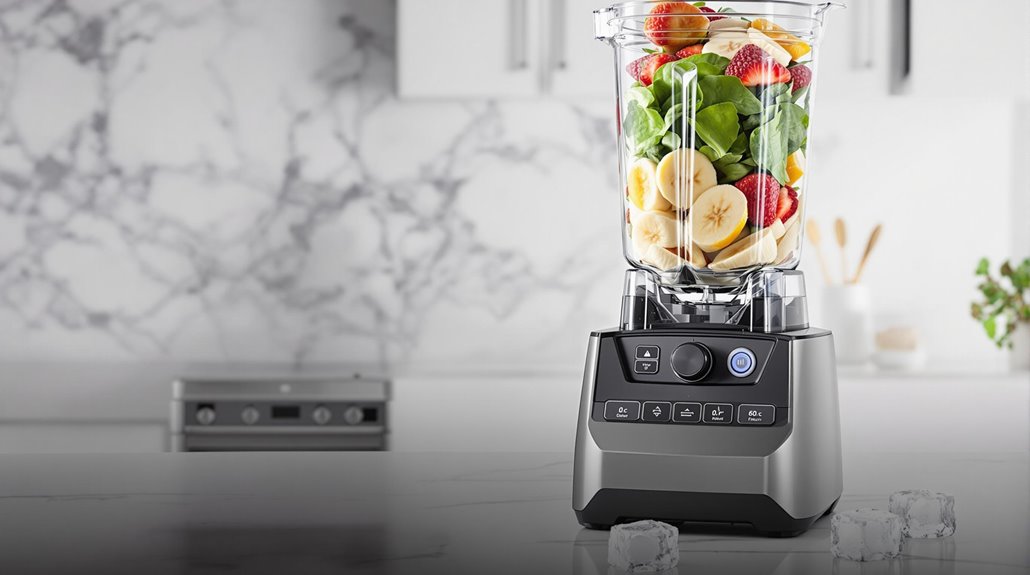
A blender lets you alter ingredients through multiple essential kitchen tasks. You'll mix smoothies, crush ice, purée soups, grind spices, and emulsify dressings with variable speed settings that match your needs. Your blender's powerful motor and multi-angled blades work together to handle both soft and hard ingredients, from frozen fruits to nuts. Understanding your blender's full range of functions will help you maximize its potential in your kitchen.
Understanding Blender Mechanics and Design
When you examine a standard blender's construction, you'll find a sophisticated combination of mechanical and electrical components working together. The heart of your blender is a fan-cooled universal motor housed in a casing with vibration dampers for stable operation. A rubber washer seals the output shaft, protecting the motor from liquid damage during blending.
The blades create desirable results through their multi-point design at various angles, perfect for crushing ice and frozen ingredients. Most models offer variable speed settings through motor winding taps, while some unique versions use mechanical governors to control blade speed. You'll notice that the strategic blade placement, often featuring asymmetric designs, helps achieve a smooth texture in your mixtures. This engineering facilitates efficient blending, from pureeing soft ingredients to liquefying tough materials. The gasket seal between the jar and blade assembly is essential for preventing leaks during operation.
Essential Blending Functions and Speed Settings
Modern blenders offer a range of essential speed settings that give you precise control over your ingredients' texture and consistency. You'll find settings designed for every food preparation need, from gentle stirring to high-powered liquefying.
Use the Stir setting to gradually combine ingredients at a low speed, or switch to Chop when you need manual control over the blade speed. For smooth results, the Puree setting slowly increases power to convert solid ingredients into silky textures.
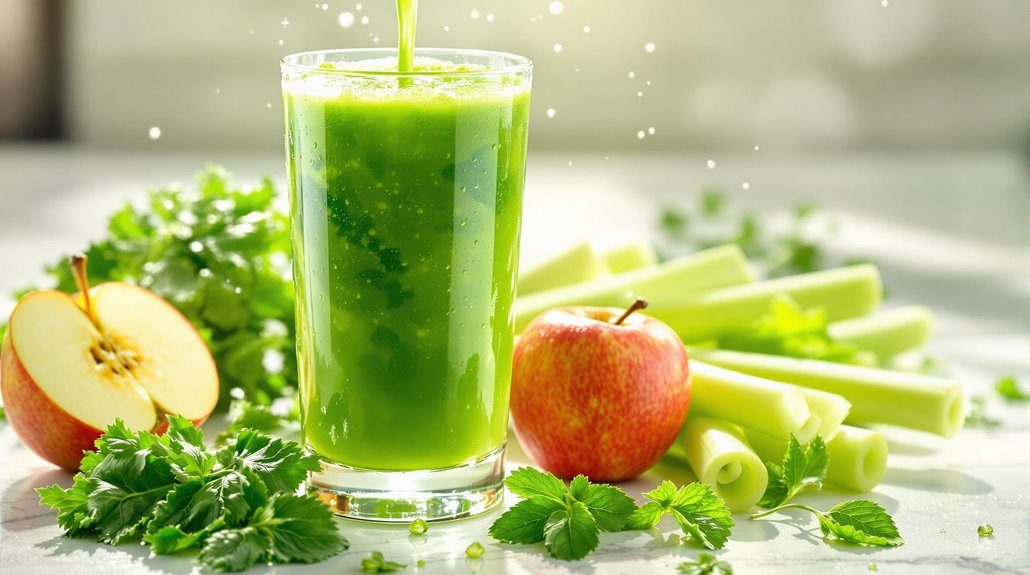
When working with frozen items or ice, the Ice Crush setting progressively ramps up power to handle tough materials. The Pulse function delivers quick bursts of high-speed blending for chunkier textures, while the Smoothie setting expertly combines speeds to create perfectly blended drinks from fibrous vegetables and frozen fruits.
The Liquefy mode transforms ingredients into the finest possible texture, ensuring professional-grade results in everything from soups to smoothies.
Types of Food Preparation and Techniques
A powerful blender opens up countless food preparation possibilities in your kitchen. Unlike a Food Processor, your blender excels at creating silky smooth soups and sauces, crushing ice for frozen drinks, and whipping up creamy ice cream. You'll achieve even blending results when you Use the tamper to guide ingredients toward the blades. Understanding compressive shearing forces helps maximize your blender's ability to break down ingredients evenly.
- Create velvety smoothies and shakes by combining frozen fruits, yogurt, and ice
- Alter solid ingredients into smooth purées for soups, sauces, and dips
- Pulverize dry ingredients into fine powders for homemade spice blends
With your blender's high-powered blades and variable speeds, you can emulsify dressings, blend batters, and liquefy ingredients for perfectly smooth results. Whether you're making morning smoothies or dinner preparations, your blender handles wet ingredients more efficiently than other kitchen appliances.
Versatility in Kitchen Applications
Today's blenders offer three primary kitchen applications that make them indispensable tools for home cooks. You can use the blender for liquid-based preparations like making smoothies with fresh fruits and frozen drinks. The powerful blender excels at creating smooth purees for soups, sauces, and dips, converting cooked vegetables into silky consistencies.
Beyond liquids, you'll find that modern blenders can chop vegetables, grind nuts, and blend ingredients for various recipes. Whether you're preparing a quick breakfast shake or emulsifying homemade mayonnaise, your blender's versatility shines through its multiple speed settings and specialized attachments. The precision blades and strong motors allow you to process both soft and hard ingredients, making it possible to create everything from nut butters to ground spices with a single appliance.
Power and Performance Features
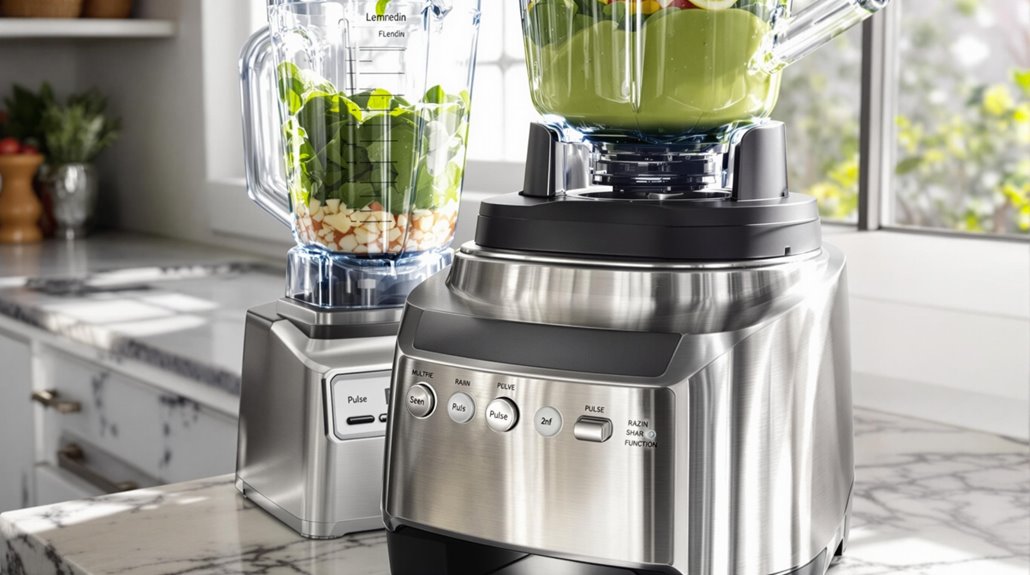
Behind every versatile blending function lies the raw power that makes it all possible. From the early days of the Waring Blendor and Miracle Mixer to today's commercial blenders, you'll find a wide range of power options from 300 to 1000 watts. These machines combine higher speed capabilities with sharp blades, often made of stainless steel, to deliver exceptional performance.
Advanced models feature multiple speed settings, letting you fine-tune the blending process for perfect results. Premium machines can reach speeds over 20,000 RPM, converting tough ingredients into silky smoothies. Built-in specialized functions like ice crush and pulse settings enhance your control over different recipes.
Today's range of blenders offers you precise control and powerful performance features that can handle everything from delicate purées to challenging frozen ingredients.
Maintaining and Caring for Your Blender
Proper maintenance of your blender guarantees its longevity and consistent performance. To clean the blender's container effectively, use warm soapy water after each use to prevent food buildup.
For thorough cleaning, run the blender at high speed for 30-60 seconds with warm water and dish soap.
Make sure you thoroughly dry all removable parts before reassembling to prevent rust formation on the blades. It's crucial to regularly check the blender's gasket, seals, and drive socket for signs of wear, replacing them when necessary.
When you're done using your blender, store it unplugged in a cool, dry place. This proper storage method helps protect the motor and other components, ensuring your appliance maintains its efficiency and extends its lifespan.
Common Blending Tasks and Best Practices
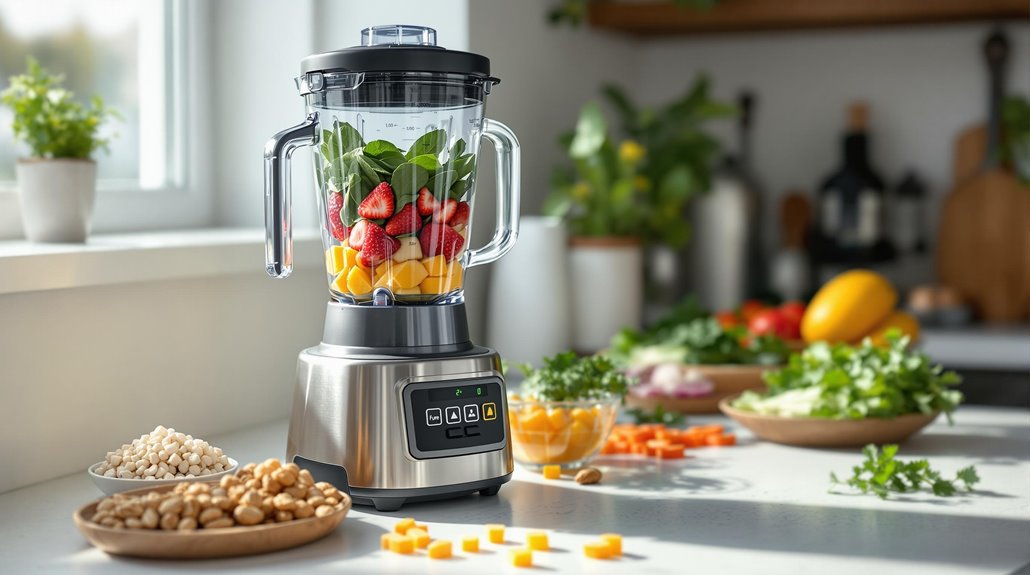
A blender's versatility makes it indispensable for various kitchen tasks, from creating smooth beverages to preparing sauces and purees. When you use a blender, you'll find it can turn solid ingredients into everything from coarse chunks to silky-smooth mixtures, rivaling professional soda fountains with its ability to create perfect frozen drinks.
Use the pulse setting for tough ingredients like ice and nuts to prevent overheating. Start with lower speeds for solid ingredients, then gradually increase for smoother results. Always secure the lid firmly and hold it while blending to prevent spills.
These blender tips will help you choose the best blender settings for your needs. Whether you're making creamy dressings, grinding seeds into powder, or whipping up morning smoothies, understanding these best practices guarantees optimal results every time.
Selecting the Right Blender for Your Needs
Now that you understand how to use a blender effectively, choosing the right model becomes your next important step. Since Fred Waring's invention, kitchen blenders have evolved into versatile tools with various features and capabilities. You'll want to contemplate the power rating (500-1000 watts) and whether you need a standard blender with a blade at the bottom or an immersion blender for greater mobility.
For ideal blender and food compatibility, select a size that matches your needs, from 2-cup personal models to 14-cup family sizes. The jar material matters too - choose between glass, plastic, or a Thermal Control Jar, depending on the model.
A great tool should offer multiple speed settings and specialized features like pre-programmed options. Deliberate sound-reducing features if noise is a concern in your kitchen.
Advanced Blending Tips and Tricks
While becoming proficient in basic blender operation is essential, understanding advanced techniques can enhance your culinary creations to new levels. Start with reverse blending when making homemade nut butters or salad dressings - begin at high speed and gradually decrease to help create the ideal texture. You'll notice how moving from solid foods to smoother consistencies becomes easier when you use variable speeds and pulse controls.
Try pulsing in short bursts when you want chunkier results in your recipes. Direct ingredients toward different blade shapes for prime processing - flat blades for smooth textures, serrated for tougher items. Add creamy ingredients like nut butter or avocado to improve texture and mouthfeel.
Remember to gradually increase speed when blending tough ingredients, allowing each layer to break down properly before advancing to higher speeds.