How High-Tech Kitchens Turned Blenders and Appliances Into Lifestyle Tools
The modern kitchen has changed dramatically over the past decade. Appliances that once performed a single task now connect to smartphones, respond to voice commands, and help people manage everything from meal planning to nutrition tracking. Today's smart kitchen technology is designed to simplify daily routines, reduce waste, and support healthier lifestyles without requiring major changes to how people cook.
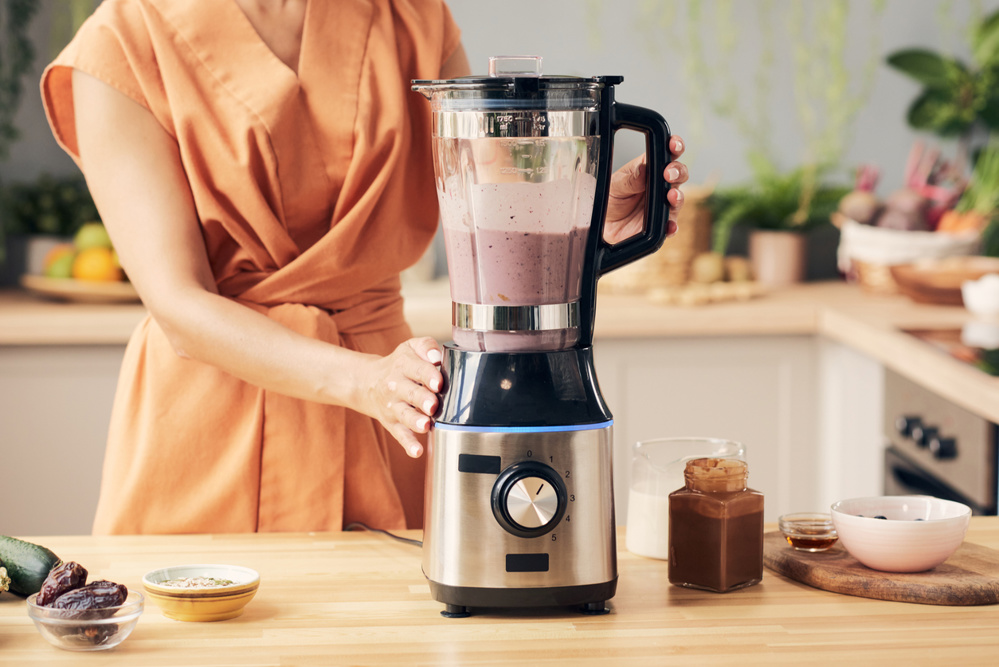
Blenders have become one of the best examples of this transformation. Once viewed as simple countertop appliances for smoothies and milkshakes, many newer models now integrate with digital recipes, fitness apps, and personalized settings that make preparing meals easier than ever. As smart technology continues to spread throughout the home, kitchen appliances are evolving into everyday lifestyle tools that help people save time while making healthier choices.
From Novelty to Necessity: How Smart Kitchen Appliances Took Over
Not long ago, many smart kitchen gadgets were viewed as luxury items or conversation pieces. They demonstrated impressive technology, but many people questioned whether they truly offered practical benefits. As wireless connectivity, mobile apps, and artificial intelligence improved, however, these appliances gradually shifted from novelty products into valuable tools that simplify everyday cooking.
Today's smart appliances do much more than automate simple tasks. They can monitor cooking temperatures, recommend recipes based on available ingredients, send notifications when food is ready, and even remember user preferences for future meals. Rather than requiring people to constantly adjust settings, many appliances now make small decisions automatically, helping users achieve more consistent results with less effort.
This evolution reflects changing lifestyles as much as advances in technology. Busy work schedules, remote employment, meal prepping, and growing interest in healthy eating have increased demand for appliances that reduce preparation time while fitting naturally into everyday routines. Instead of purchasing gadgets for their novelty, consumers increasingly look for products that genuinely improve convenience and help them make better use of their time.
How Smart Kitchens Fit Into Modern Lifestyles
Modern kitchens are no longer designed solely around cooking—they're becoming central spaces for work, wellness, and family life. Many people now prepare meals while attending virtual meetings, helping children with homework, or managing busy household schedules. This shift has even influenced high-tech kitchens in pop culture, where connected appliances and smart homes are often portrayed as symbols of modern living and convenience.
Meal preparation has also become more intentional. Fitness enthusiasts often prepare smoothies before morning workouts, families batch-cook meals for the week, and remote workers look for quick lunches that don't interrupt their schedules. Smart appliances help streamline these routines by remembering favorite recipes, guiding users through preparation steps, and reducing the amount of manual measuring or timing required.
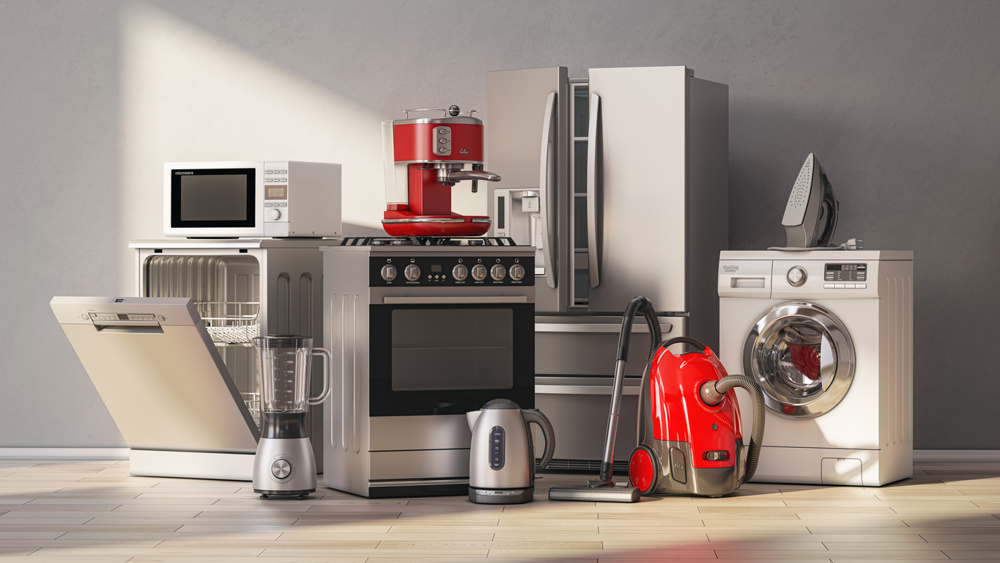
Connected technology also supports changing lifestyle priorities beyond convenience. Many consumers are paying closer attention to nutrition, food waste, and energy efficiency. Smart refrigerators can help track groceries, programmable coffee makers prepare drinks before people wake up, and intelligent cooking appliances reduce unnecessary energy use. Together, these innovations create kitchens that support healthier and more organized daily routines.
Why Are Smart Blenders Driving the Healthy Eating Movement?
Among all connected kitchen appliances, smart blenders have become some of the most widely used tools for supporting healthier eating habits. Smoothies, protein shakes, soups, and homemade sauces can be prepared quickly using fresh ingredients, making it easier for people to incorporate fruits, vegetables, and other nutritious foods into their daily routines.
Smart blenders build on this convenience by adding features that encourage consistency. Some models connect with nutrition apps that estimate calories, protein, carbohydrates, and other nutrients, helping users monitor their dietary goals more easily. Others recommend recipes based on ingredients already available at home, reducing food waste while encouraging greater variety in everyday meals.
The popularity of these appliances also reflects broader wellness trends. People increasingly seek practical ways to support healthier lifestyles without spending hours preparing meals. A smart blender can prepare breakfast before work, blend post-workout drinks in minutes, or simplify meal prep for an entire week. By combining speed, convenience, and nutritional guidance, these appliances have become valuable tools.
Which Smart Blender Features Actually Change How You Cook?
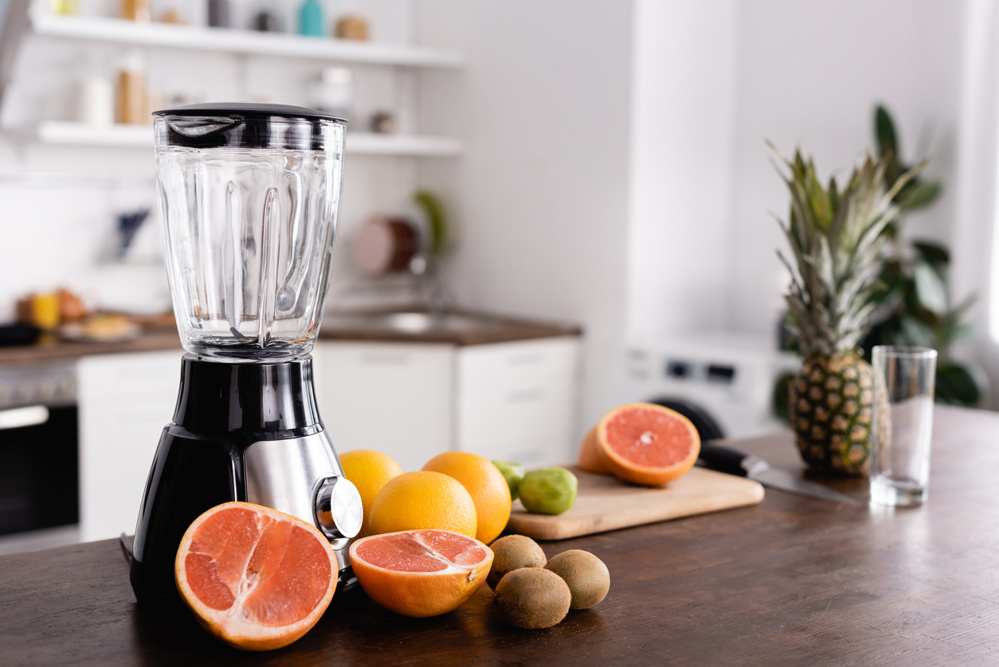
Smart blenders have evolved well beyond offering multiple speed settings. Many newer models include preset programs that automatically adjust blending speed and duration for smoothies, soups, frozen drinks, nut butters, and sauces. Instead of guessing how long to blend, users can simply select the appropriate program and allow the appliance to determine the best settings for consistent results.
Some advanced models also integrate with mobile apps and voice assistants, allowing users to access guided recipes, save favorite blending programs, and monitor nutritional information. Depending on the model, users can estimate calories, protein, fiber, and other nutrients based on the ingredients they add. While these features don't replace professional nutrition advice, they make it easier for people to understand what's going into their meals and make informed choices over time.
Artificial intelligence is beginning to play a role as well. Certain smart blenders can detect changes in texture and automatically adjust power levels to achieve smoother consistency. Instead of manually stopping the blender to check progress, the appliance adapts throughout the blending process. These improvements reduce guesswork, improve consistency, and make preparing homemade recipes more approachable for cooks of every skill level.
Connected Appliances Beyond the Blender
Although blenders often receive the spotlight, they're only one part of today's connected kitchen ecosystem. Many modern homes now include appliances that communicate through the same mobile apps or smart home platforms, creating a more coordinated cooking experience. Rather than operating as individual devices, these appliances work together to simplify everyday routines.
Smart refrigerators can help track grocery inventories, suggest recipes based on available ingredients, and even notify users when certain foods are running low. Smart ovens automatically adjust cooking temperatures for different recipes, while connected air fryers provide notifications when food is ready and allow users to monitor cooking progress remotely. Programmable coffee makers can prepare coffee before the alarm clock rings, helping busy households start the day more efficiently.
Voice assistants further connect these devices by allowing users to control multiple appliances without touching a screen. A simple voice command can start the coffee maker, preheat the oven, or activate a blender program while someone continues preparing ingredients. Instead of replacing traditional cooking skills, connected appliances reduce repetitive tasks so people can spend more time focusing on recipes, family meals, and entertaining guests.
How Much Time Can a Smart Blender Save You Each Week?
Those smart features don't just improve what you cook—they also shrink how long cooking actually takes. Multi-tasking appliances can save you up to 5–7 hours per week, and a smart blender contributes directly to that number through automation and meal planning support. Here's where the time savings add up:
- Automated blending cycles run without monitoring, freeing you to handle other tasks simultaneously.
- Pre-set programs eliminate guesswork, so you spend less time adjusting and more time eating.
- App-synced meal planning lets you organize your week in advance, reducing daily decision-making in the kitchen.
These small efficiencies become especially valuable during busy mornings or weekly meal-prep sessions. Instead of measuring ingredients repeatedly or standing beside the blender, you can prepare lunches, clean the kitchen, or organize the rest of your meal while the appliance completes its cycle.
Over several days, those saved minutes add up to meaningful time that can be spent on work, family, or other priorities. You're not just blending faster—you're restructuring how your entire cooking routine works. That recovered time compounds quickly across a full week.
Is a Smart Blender Worth It for Your Kitchen Setup?
Whether a smart blender is worth the investment depends largely on your daily habits and cooking style. For people who regularly prepare smoothies, protein shakes, soups, sauces, or meal-prep recipes, the added convenience can make a noticeable difference. Automated programs, nutrition tracking, and guided recipes reduce the effort required to prepare healthy meals, making it easier to stick with long-term wellness goals.
Budget and available kitchen space are also important considerations. Smart blenders typically cost more than traditional models, but frequent use can offset that investment by reducing spending on café smoothies, meal replacement drinks, and takeout beverages. Before purchasing, it's also worth checking the appliance's size to ensure it fits comfortably on your countertop or inside your storage cabinets.
For occasional users who blend only once every few weeks, a standard blender may provide everything they need. However, households that prepare fresh meals regularly often benefit from the added consistency, convenience, and automation offered by smart models. When used consistently, these appliances become less of a luxury purchase and more of a practical kitchen companion that supports healthier, more efficient routines.
What's Next for Smart Kitchen Technology
The future of smart kitchens extends well beyond today's connected appliances. Artificial intelligence is expected to play a larger role in meal preparation by recommending recipes based on dietary goals, recognizing ingredients placed inside appliances, and automatically adjusting cooking settings for better results. Instead of simply following commands, future kitchen devices may proactively help users reduce food waste, balance nutrition, and simplify meal planning.
Greater connectivity between appliances is also likely to transform how kitchens operate. Imagine a refrigerator suggesting recipes based on ingredients that are about to expire, a smart oven automatically preheating once a recipe is selected, and a blender preparing the perfect smoothie using nutritional information already stored in a fitness app. As these technologies become more integrated, kitchens will function as coordinated systems rather than collections of individual appliances.
Sustainability will continue shaping future innovation as well. Manufacturers are developing appliances that consume less energy, optimize cooking cycles, and help households reduce unnecessary food waste. These improvements not only benefit the environment but also lower operating costs over time. As technology becomes more accessible, smart kitchens are likely to become a standard feature in many homes rather than a premium luxury.
Conclusion
High-tech kitchens have evolved from showcasing impressive gadgets to providing practical tools that genuinely support everyday life. Smart blenders illustrate this transformation particularly well, combining automation, nutritional guidance, and personalized settings. It also integrated time-saving features into appliances that encourage healthier habits while simplifying meal preparation.
As connected appliances continue working together through smart home platforms and artificial intelligence, kitchens are becoming more efficient, personalized, and adaptable to busy lifestyles. Whether you're preparing quick weekday breakfasts, organizing weekly meal prep, or experimenting with new recipes, these technologies help reduce repetitive tasks without replacing the creativity of cooking itself.