History of the Blender
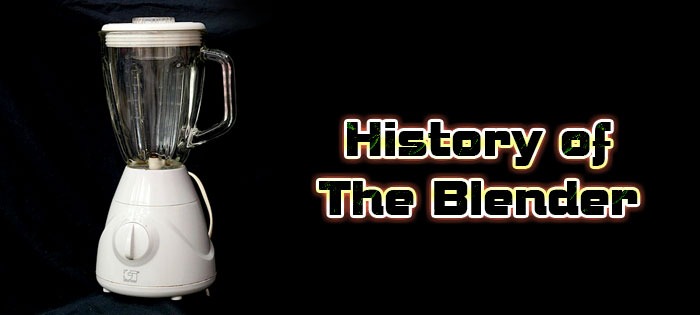
The history of the blender is a fascinating journey that begins in the early 20th century. When were blenders invented? The first blender was invented by Stephen Poplawski, an innovative Polish-American engineer. In 1922, Poplawski developed the first electric blender by mounting a spinning blade at the bottom of a container, which was primarily designed for making soda fountain drinks. This creation marked a significant milestone in kitchen appliance history.
How did this kitchen wonder come to be?
So, when was the blender made? The prototype created by Poplawski was officially introduced in the 1920s, but it wasn't until 1935 that the blender as we know it began to take shape. Fred Osius, another key figure in blender history, refined Poplawski’s design and introduced the Waring Blender. This model gained popularity due to its improved performance and versatility.
In the 1930s, the Hamilton Beach Company produced Poplawski's blender. Fred Osius, one of the Hamilton's founders, sought to improve the small kitchen appliance. Poplawski would eventually form his own company, Stephens Electric Company, which continued to manufacture blenders for home use.
The Waring Blendor
Osius needed money to support the product that he had patented. He went to Fred Waring, a popular musician and bandleader at the time, for some financial backing. Waring financed and promoted the new "Miracle Mixer" in 1933. However, Waring found some technical problems in the blender, and so he eventually redesigned the appliance and called it the "Waring Blendor" (whose spelling was changed into "blender").
Waring promoted the new product while touring with his band. The marketing campaign became successful and the Waring Blendor soon found its way into bigger stores.
The Waring Blendor went on to become a widely used tool not just in the kitchen. Hospitals also used it for the implementation of certain diets. Jonas Salk even used the Waring Blendor while developing his polio vaccine. By 1954, one million Waring Blendor units had been sold, and it remains popular today. Waring's company Waring Products is now a part of Conair, the company that makes home appliances and other tools.
The "Osterizer"
As we explore the history of the blender, it's impossible to overlook the significance of the "Osterizer." The Osterizer is a brand name synonymous with quality and innovation in the world of blenders. This iconic name comes from the John Oster Manufacturing Company, which played a pivotal role in popularizing the blender in American households.
The story of the Osterizer begins in 1946 when the John Oster Manufacturing Company purchased Stevens Electric, the company that originally created the blender design patented by Stephen Poplawski. The Oster company recognized the potential of this innovative kitchen appliance and sought to refine and market it under a new brand name: Osterizer.
The Osterizer quickly became known for its durability, powerful motor, and versatile capabilities. One of the significant innovations introduced by the Osterizer was the inclusion of multiple speed settings, which allowed users to blend, chop, and puree with greater control and precision. This versatility made the Osterizer a favorite among home cooks and professional chefs alike.
Another notable feature of the Osterizer was its sleek and modern design, which appealed to the growing post-war consumer market. The appliance's robust construction and reliable performance ensured that it could handle a wide range of kitchen tasks, from making smoothies and milkshakes to crushing ice and preparing soups.
The 1970s were a defining decade for the Osterizer, as it solidified its reputation as a kitchen staple. During this period, the company continued to innovate, introducing models with enhanced features and improved functionality. The 1970s Osterizer blenders were particularly notable for their retro design aesthetics, which included bold colors and stylish finishes that complemented contemporary kitchen decor.
The Vitamix
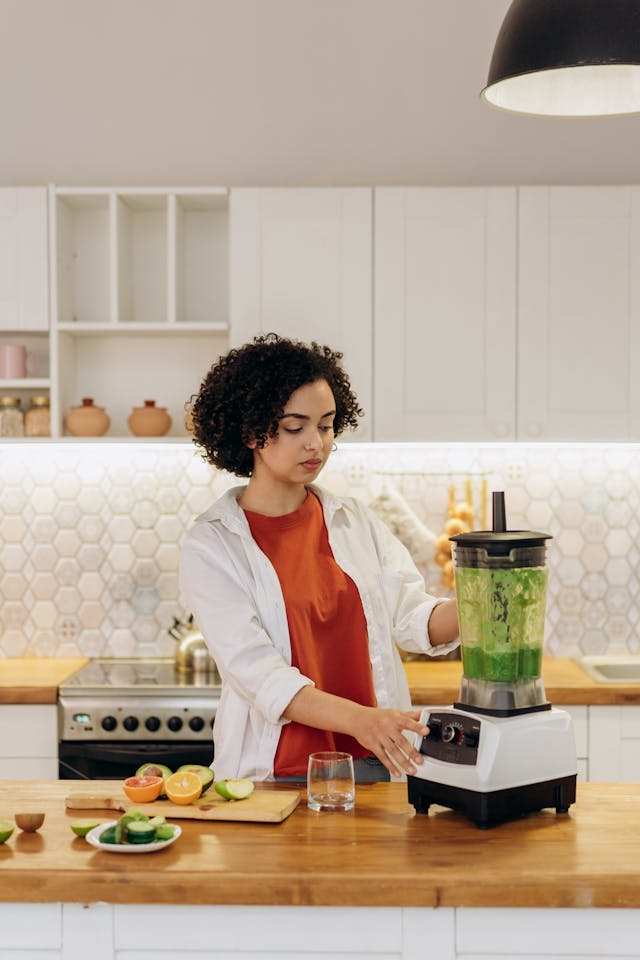
When discussing the history and evolution of blenders, the Vitamix brand stands out as a symbol of high performance, durability, and innovation. Vitamix has carved out a niche for itself in the world of blenders, particularly among health enthusiasts, professional chefs, and home cooks seeking top-notch quality and functionality.
The Origins of Vitamix
The Vitamix story began in 1921 when William Grover Barnard, also known as "Papa Barnard," started selling kitchen products. His focus shifted to blenders in the 1930s after recognizing their potential to improve health through whole-food nutrition. In 1937, Barnard introduced the first Vitamix blender, a device that would eventually revolutionize food preparation.
The Vitamix was designed to not only blend but also pulverize and puree ingredients, making it possible to create smooth, nutrient-dense blends. This capability set it apart from other blenders of the time and established Vitamix as a leader in the industry.
Innovations and Advancements
One of the defining characteristics of Vitamix blenders is their powerful motor. Vitamix models are known for their high horsepower, which allows them to blend even the toughest ingredients into smooth, consistent textures. This power, combined with precision engineering, enables Vitamix blenders to perform a variety of functions beyond blending, such as grinding, chopping, and even heating soups through friction.
In the 1960s, Vitamix introduced a major innovation with the launch of the Vitamix 3600, which featured a stainless steel container and the ability to blend hot soups, grind grains, and even knead dough. This model set a new standard for versatility in blenders and cemented Vitamix’s reputation for innovation.
The Vitamix in Modern Kitchens
The 1970s and 1980s saw Vitamix continue to refine its products, focusing on improving user experience and expanding its capabilities. The company's commitment to quality and performance helped it build a loyal customer base, and by the 1990s, Vitamix had become a household name.
Modern Vitamix blenders are known for their sleek design, robust build, and advanced features. They often come with variable speed controls, pre-programmed settings, and high-capacity containers. These features make them suitable for a wide range of tasks, from making smoothies and nut butters to preparing baby food and frozen desserts.
The Evolution of the Blender
Throughout the decades, the blender evolved significantly. The 1970s were a prime time for blenders, as they became more accessible and affordable for the average household. The introduction of new materials and technological advancements made blenders more durable and efficient. The 1970 blender models were notable for their sleek designs and powerful motors, which could handle a wider range of tasks, from blending smoothies to crushing ice.
The technology and principles behind the blender have influenced the development of other kitchen appliances, such as food processors and immersion blenders. The success and popularity of the blender demonstrated the potential for electric kitchen gadgets to simplify and improve cooking and food preparation.
Conclusion
The history of the blender is a testament to human ingenuity and the drive to innovate. From the first blender invented by Stephen Poplawski to the iconic Waring Blender introduced by Fred Osius and Fred Waring, this appliance has undergone significant transformations. It all started in the 1920s, with each decade bringing new advancements and refinements. The 1970 blender models, in particular, highlight the appliance's prime time, characterized by retro designs and increased functionality. Today, the blender remains a staple in kitchens worldwide, celebrated for its versatility and convenience.