Can You Blend Pancake Mix?
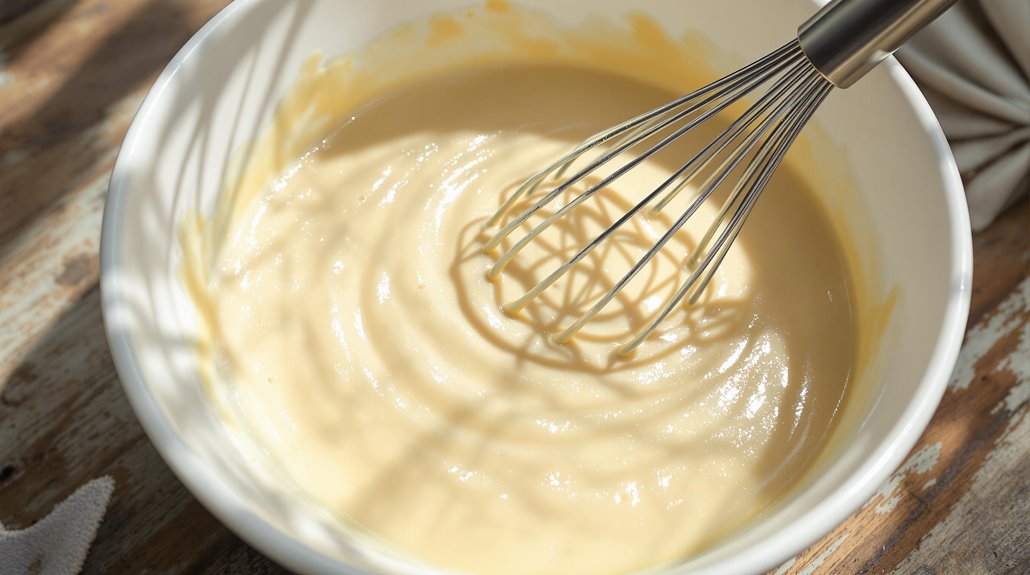
You can blend pancake mix, but you'll need to be careful not to over-mix it. Blend dry ingredients first, then add wet ingredients and mix for no more than 60 seconds on low-to-medium speed. Over-blending activates too much gluten and incorporates excess air, resulting in tough, dense pancakes instead of light, fluffy ones. For the perfect consistency and texture, a few simple techniques will make all the difference.
The Science Behind Pancake Mix and Blending
Why do pancake mixes require such gentle handling? The answer lies in the delicate balance of ingredients, particularly the wheat flour and leavening agents.
When you blend pancake batter too vigorously, you're activating the gluten proteins in the flour, which can make your pancakes tough and dense rather than light and fluffy.
The baking powder or baking soda in your pancake mix needs to be treated with care, as excessive agitation can prematurely activate these leavening agents. Whether you're using whole wheat or standard flour, over-blending will also incorporate too much air into your batter, resulting in uneven cooking on the griddle.
Additionally, dried ingredients common in pancake mixes won't properly integrate when blended, potentially leaving you with inconsistent texture throughout your pancakes.
Using a blender's high-speed settings can overwork your pancake batter, as these powerful motors are designed to break down and pulverize ingredients rather than gently combine them.
Common Mistakes When Making Pancakes
While making pancakes might seem straightforward, even experienced home cooks make several common mistakes that can ruin their breakfast. If you're using a blender, you might over-mix the pancake batter, making it tough instead of light and fluffy.
Another mistake is flipping the pancakes too early - wait until bubbles form and pop on the surface.
Don't make the super easy mistake of having your griddle over medium heat for too long before cooking, as this will scorch your pancakes. Make sure you're not pressing down on the pancakes with your spatula, as this deflates them. Also, avoid opening and closing your blender repeatedly to check consistency, as this incorporates too much air into the mixture, resulting in uneven cooking. Remember to unplug your blender immediately after mixing the batter to prevent accidental activation and potential injuries.
Best Methods for Mixing Pancake Batter
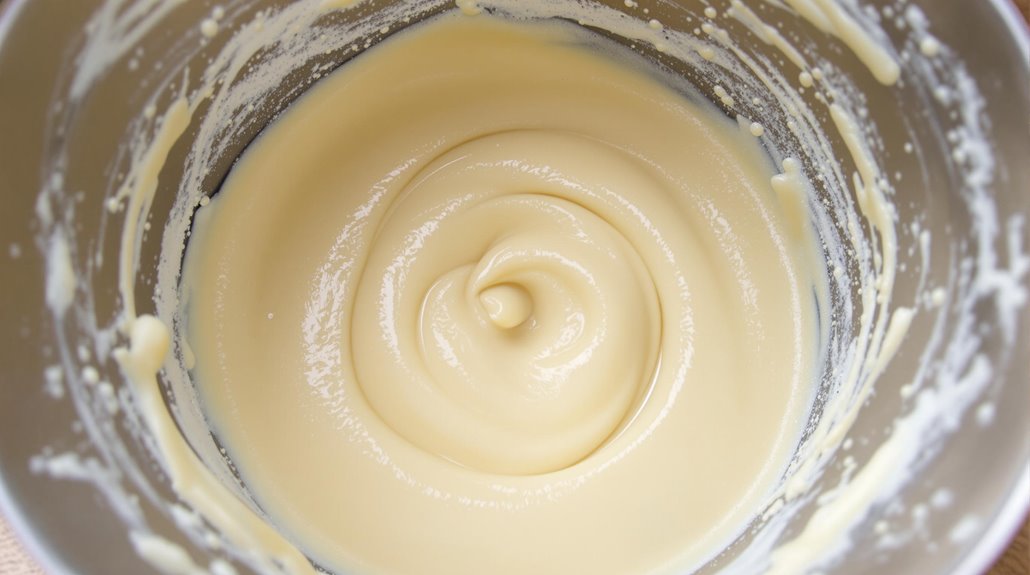
Several effective methods exist for mixing pancake batter, with a blender being one of the most convenient options. Whether you're using cup whole wheat flour or a pre-made pancake recipe, an easy blender method can guarantee your ingredients into perfectly smooth batter in under a minute.
To achieve the best results when making blender pancakes, follow these key steps:
- Combine your dry ingredients, including whole wheat flour and baking powder, in the blender first
- Add wet ingredients and blend for no more than 60 seconds to prevent tough pancakes
- Pour the batter directly onto your griddle over medium-high heat for even cooking
- Clean your blender immediately after use to prevent batter from sticking
This efficient mixing method confirms consistent results while saving you time and effort in the kitchen. Starting with low speed blending and gradually increasing to full power will ensure the most even mixing of your pancake batter.
Alternative Mixing Techniques
Beyond using a blender, you'll find numerous effective ways to mix your pancake batter to perfection. Using a whisk or fork would probably give you excellent results, especially when incorporating Whole Grain flour or Peanut Butter into your mix. You can also use an electric hand mixer for a smooth consistency, which works particularly well when adding Maple Syrup to sweeten your batter.
Another simple technique involves using a shaker bottle - the kind typically used for protein shakes. Just add your ingredients, seal tightly, and shake vigorously.
For recipe updates and mixing tips, subscribe to our newsletter (Required fields are marked with an asterisk, including your email address). These alternative methods each offer their own advantages, and you can choose based on the tools you have available.
Tips for Perfect Pancake Texture
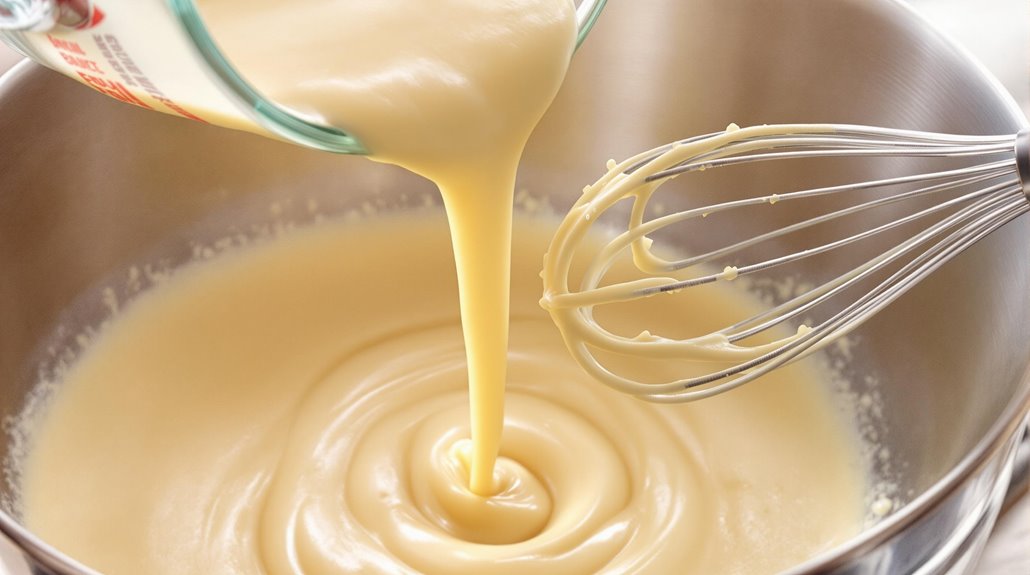
Looking for that perfect pancake texture? When baking pancakes, achieving the ideal consistency starts with proper mixing technique. Your pancake recipes will benefit from using a blender, but remember not to overwork the batter.
Whether you're using all-purpose flour or adding ingredients like Flax Seed, vanilla extract, or flax eggs, follow these essential tips:
- Let your blended batter rest for 5-10 minutes before pouring onto the griddle
- Adjust liquid quantities to control pancake thickness - less for fluffy, more for thin
- Blend ingredients just until combined to prevent tough, chewy results
- Monitor batter consistency - it should flow smoothly but maintain some thickness
Following these guidelines will help you create perfectly textured pancakes every time, whether you prefer them thick and fluffy or thin and delicate.
Recipe Adjustments for Blender Use
Making pancake mix in a blender requires some simple adjustments to your traditional recipe. You'll want to add your wet ingredients first, including a teaspoon vanilla, followed by the dry ingredients.
When using a blender, adjust the consistency as needed - add tablespoons baking powder last to guarantee proper rising.
Pour your batter onto a preheated griddle or skillet after letting it rest for a few minutes. This resting period helps prevent tough pancakes that can result from over-blending. If you notice the batter's too thick, add milk gradually until it reaches a pourable consistency. Too thin? Incorporate small amounts of flour.
To keep warm while cooking multiple batches, reduce your blending time to avoid developing excess gluten, which can make your pancakes rubbery.
Related posts