When Not to Use Immersion Blender?
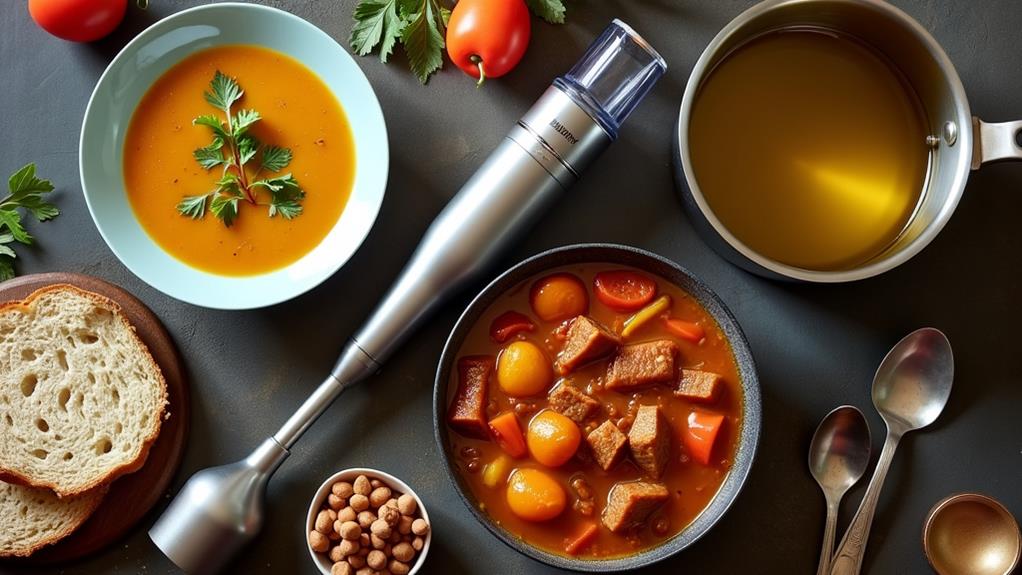
An immersion blender is a versatile kitchen tool, but there are specific situations where its use is not recommended. Blending in wide containers can lead to uneven textures and splatters. Using it for chopping solid ingredients can turn them into an undesirable paste. Mashing potatoes with an immersion blender often results in a gummy, unappetizing consistency. Additionally, blending boiling liquids poses risks, as steam and splattering can cause serious burns.
Wide Containers
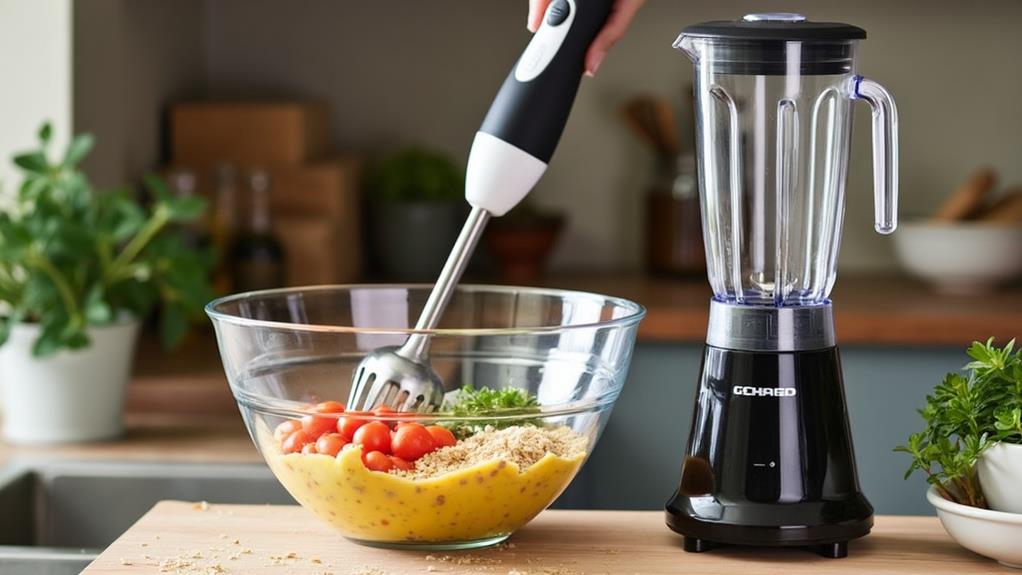
Using an immersion blender in wide containers can be counterproductive. Immersion blenders perform best in narrow, high-sided containers where the blades are fully submerged. Wide containers often result in ineffective blending and increased splattering, leading to frustration and mess.
Narrow, high-sided containers are ideal for achieving efficient and even blending. They minimize the movement needed, making the task quicker and more effective. In contrast, wide containers may prevent the blades from adequately reaching all ingredients, resulting in lumps and uneven textures.
Instead of using wide pots or bowls, consider blending directly in glasses or jars. Some immersion blenders even come with specially designed tall, narrow containers that maximize performance and prevent the common issues associated with wide containers. By choosing the right container, you ensure the blades are fully submerged and all ingredients are evenly blended. So, next time you use your immersion blender, remember that narrow containers are your best allies for achieving the perfect blend.
Chopping Tasks
Chopping vegetables or nuts with an immersion blender can be frustrating and ineffective. While immersion blenders excel at pureeing and blending, they are not designed for chopping tasks. Instead of distinct, even pieces, you'll often end up with a paste-like consistency. This is because immersion blenders are meant to create smooth mixtures, not handle precise chopping.
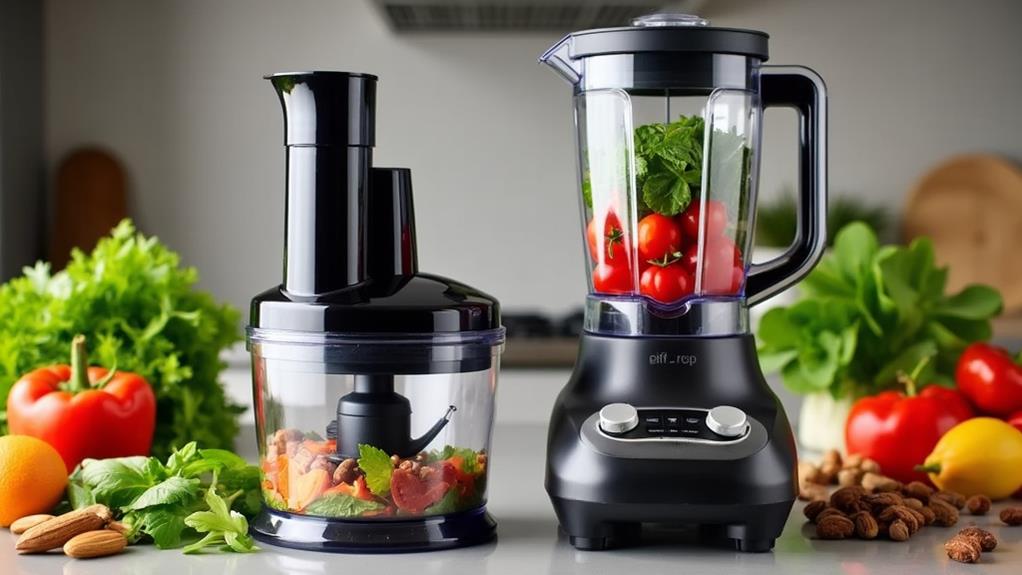
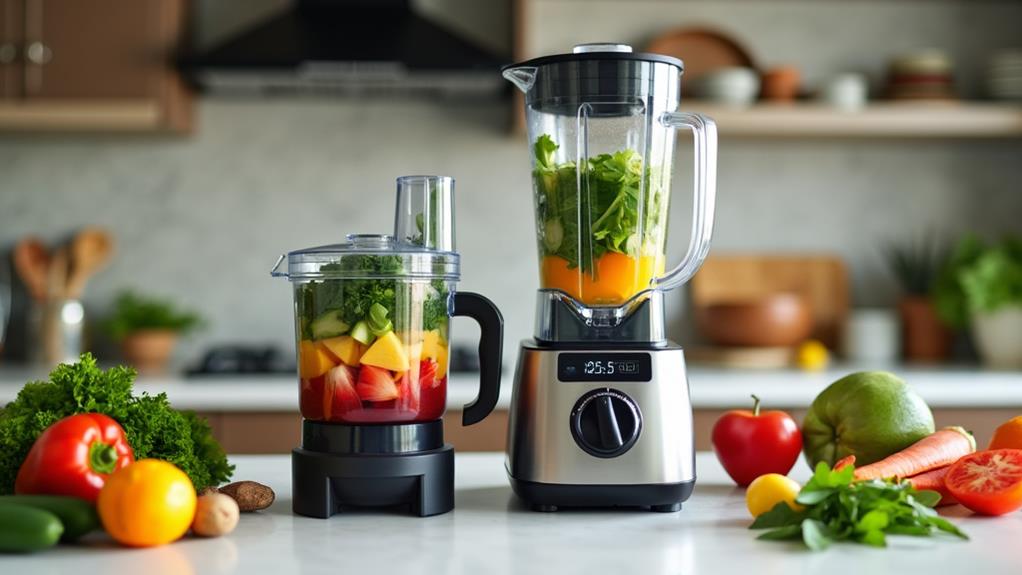
For effective chopping of dry ingredients, use a food processor. Food processors are specifically designed for chopping, delivering even sizes and textures that an immersion blender can't achieve. Some immersion blenders come with mini chopper attachments, but these usually don't match the performance of dedicated chopping appliances. Using an immersion blender for chopping can result in uneven sizes, compromising the quality of your dish.
Moreover, attempting to chop vegetables or nuts with an immersion blender can release excess starch from ingredients like potatoes, resulting in undesired textures. So, whenever your recipe calls for chopped ingredients, reach for a food processor instead. It will save you time and effort, and guarantee a more consistent and appealing final dish.
Still Blending
Keeping your immersion blender still can overheat the motor, especially with thick ingredients. This can lead to an inconsistent texture and uneven blending. To avoid lumps and ensure a smooth consistency, keep the blender moving and use proper techniques.
Ingredients Too Thick
Immersion blenders can struggle with overly thick mixtures, potentially damaging the motor. These blenders require sufficient liquid to blend ingredients properly. Without adequate liquid, thick mixtures can turn into a paste-like consistency, resulting in uneven textures and stalled blades.
For recipes with dense ingredients, such as nut butters or thick batters, a countertop blender or food processor is more suitable. These appliances are designed for heavier mixing tasks and can blend ingredients more effectively. Using an immersion blender on these thick mixtures may cause the blades to struggle and the motor to strain, possibly leading to appliance damage.
If a mixture is too thick to submerge the blades easily, consider adding more liquid to thin it out. If diluting the mixture isn't an option, switch to a more powerful blending appliance. This ensures a smoother texture without risking damage to your immersion blender.
Risk of Overheating
Prolonged use of your immersion blender can cause it to overheat, risking motor damage and reducing its lifespan. Continuous operation without breaks exerts significant strain on the motor, particularly when blending hot liquids or thick mixtures. For instance, when blending hot soup, steam can accumulate and cause splattering, potentially resulting in burns if the container isn't properly vented. This not only creates a mess but also poses a safety hazard.
To prevent overheating, it is essential to use your immersion blender in short bursts rather than running it continuously. Taking breaks every 30 seconds allows the motor to cool down, thereby extending the life of your appliance. While blending thick mixtures, you might feel the urge to keep it running longer, but this can push the motor beyond its limits, increasing the risk of overheating.
Additionally, using your immersion blender in containers that are too wide or shallow can lead to inefficient blending and increased friction, further contributing to overheating. Opt for appropriately sized containers and avoid overloading with too many thick ingredients at once. By following these guidelines, you can ensure your immersion blender remains a dependable kitchen tool for years to come.
Inconsistent Texture Control
To achieve a consistent blend, you can't just hold the immersion blender still in the mixture; doing so often results in uneven textures and unwanted lumps. The blades need to move to effectively incorporate all ingredients. Simply holding the immersion blender in one spot can lead to an inconsistent texture, making your soup or sauce far from smooth.
To avoid this, you should move the immersion blender up and down and use side-to-side motions. This guarantees that all parts of the mixture are evenly blended. Also, using a narrow container helps keep the blades submerged and more effective, whereas wide containers might lead to ineffective blending.
Mashing Potatoes
When preparing mashed potatoes, using an immersion blender might seem convenient, but it's a choice you'll likely regret. The immersion blender releases excess starch, resulting in a gluey texture far from the fluffy, smooth consistency you desire. This gluey outcome can ruin the entire dish, making it unappetizing.
Traditional tools like potato mashers or ricers are designed to avoid this issue. They help achieve a light, airy texture without overworking the potatoes and releasing too much starch. Even quick blending with an immersion blender won't save you from the gluey mess; it exacerbates the problem.
Recipes for mashed potatoes should steer clear of immersion blenders. Stick to tools like mashers or ricers to maintain the desired quality and texture. Save the immersion blender for other tasks and keep your mashed potatoes fluffy and delicious.
Boiling Liquids
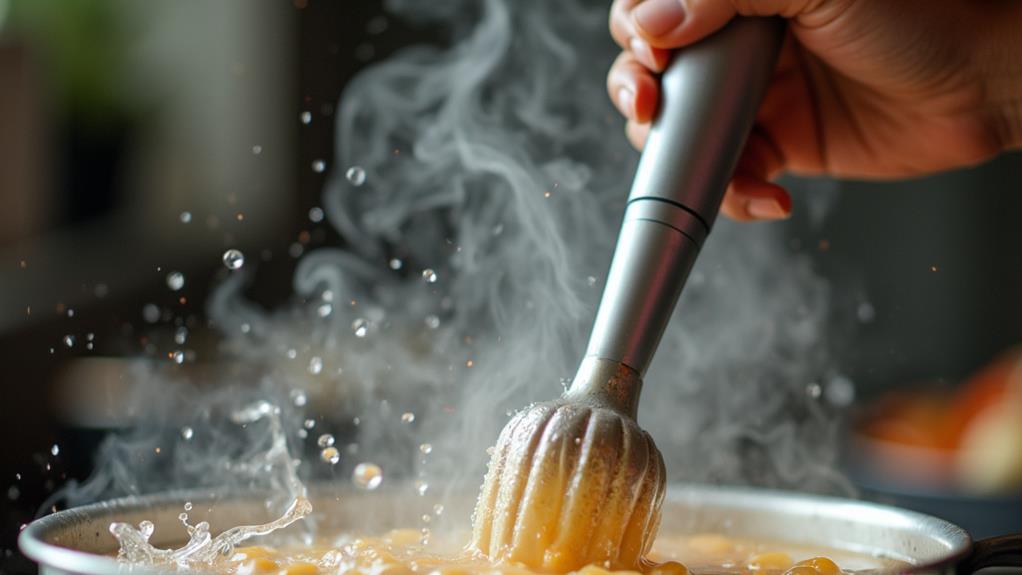
Using an immersion blender in boiling liquids is risky and should be avoided. Here are the main reasons:
- Steam Build-Up: Boiling liquids produce steam, which can cause painful splattering and burns.
- Component Damage: The plastic parts of an immersion blender can melt in boiling liquids, potentially releasing harmful chemicals.
- Dangerous Splashes: The blender's high-speed blades can cause splashes, increasing the risk of scalding.
- Poor Blending Results: For optimal blending and safety, let hot liquids cool below boiling before using the immersion blender.
To ensure safety and effective blending, always allow boiling liquids to cool slightly. This precaution helps prevent injuries and keeps your kitchen equipment in good condition. Taking a few extra minutes to let the liquid cool can save you from potential harm and ensure excellent blending results.
Cleaning Mistakes
When cleaning your immersion blender, avoid submerging the motor in water to prevent damage to the electrical components. Handle the blades carefully and wash them by hand to prevent dulling or warping. Additionally, use non-abrasive sponges on the blender's body to avoid scratches and maintain its appearance.
Incorrect Blade Handling
Incorrect blade handling can compromise both the safety and functionality of your immersion blender. To avoid potential issues, always unplug the immersion blender before cleaning the blade to prevent accidental activation and injury.
When cleaning, do not submerge the entire immersion blender in water. Instead, clean the blade and attachment separately to prevent water damage to the motor. Here are four essential points to consider:
- Detach the blade: Ensure the blade is completely detached from the handle, especially after blending sticky or thick mixtures, for thorough cleaning.
- Rinse immediately: Rinse the blade right after use to prevent food from hardening and becoming difficult to clean.
- Avoid abrasives: Do not use abrasive scrubbers on the blade; they can cause scratches that harbor bacteria and reduce blending efficiency.
- Handle with care: Always handle the blade carefully during cleaning to prevent injuries or damage.
Following these guidelines will help maintain the immersion blender's longevity and efficiency.
Submerging Blender Motor
Immersion blenders are incredibly handy, but submerging the motor during cleaning can cause serious damage. To clean your immersion blender properly, avoid getting the motor wet as this can harm the electrical components and create a safety hazard.
Instead, use a damp cloth to clean the motor body. This method effectively removes food splatters or residue without exposing the motor to moisture. Ensure the blender is unplugged before cleaning to prevent accidental activation.
Detachable blades are designed for easy cleaning. You can wash them by hand or place them in the dishwasher, but always keep the motor dry. Proper maintenance includes cleaning the blades immediately after use to prevent food from hardening, ensuring the motor remains safe from moisture.
Ignoring Scratch Risks
You might not realize it, but aggressive use of an immersion blender can scratch your non-stick cookware, potentially ruining your favorite pots and pans. To avoid this costly mistake, it's essential to use proper blending techniques and be mindful of the scratch risks.
First, always check if your immersion blender has a scratch guard. If it doesn't, you'll need to be extra careful. Here are some tips to prevent your non-stick cookware from getting damaged:
- Angle the Blender: Tilt the blender slightly to avoid direct contact with the pot's surface.
- Move While Blending: Lift and move the blender gently while blending to minimize scratching.
- Use a Tall, Narrow Container: This allows the blades to be fully submerged, reducing the risk of scratching the sides of your cookware.
- Proper Cleaning: Instead of fully submerging your immersion blender in water, run the blade in warm, soapy water to clean it without damaging the non-stick surface.
Pot Scratching
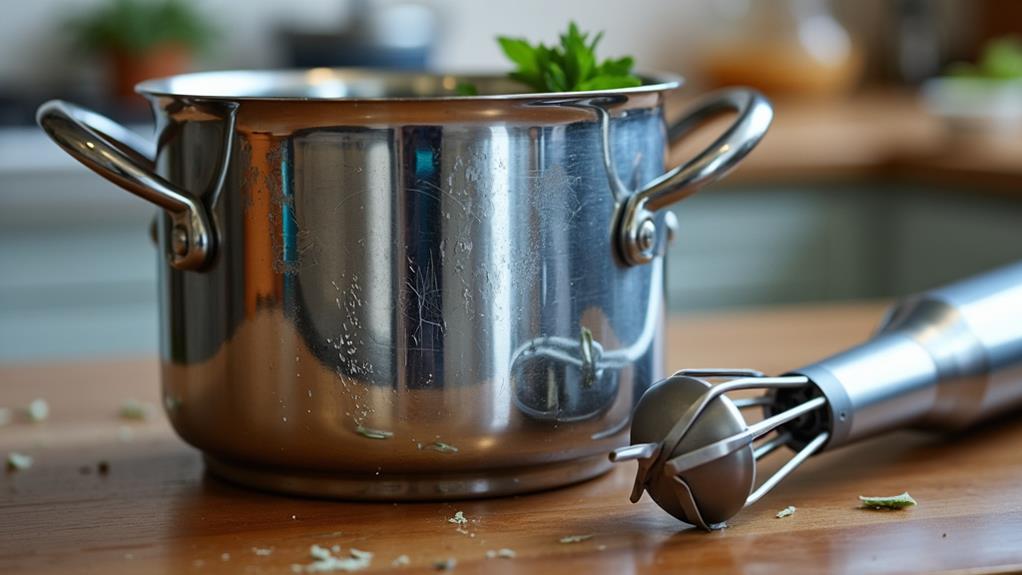
When using an immersion blender, be aware that its metal blades can scratch your pots, particularly nonstick cookware. Contact between the blender's blades and the pot's surface can cause damage, especially if you're moving the blender around frequently. To minimize this risk, keep the blender still while blending or lift it slightly when moving it.
Many immersion blenders come with a scratch guard designed to protect your pots and cookware. Checking for this feature before purchasing can save you trouble. A scratch guard acts as a buffer, preventing the blades from making direct contact with the pot's surface. However, even with a scratch guard, you should still exercise caution.
Using immersion blenders in wider containers can increase the chances of scratching because the blades may hit the sides more frequently. Choose an appropriately sized container for blending tasks to mitigate this risk.
Regularly inspecting your pots for scratches after using an immersion blender can help maintain their integrity and prolong their lifespan. By taking these precautions, you can enjoy the convenience of an immersion blender without compromising your cookware.
High-Power Jobs
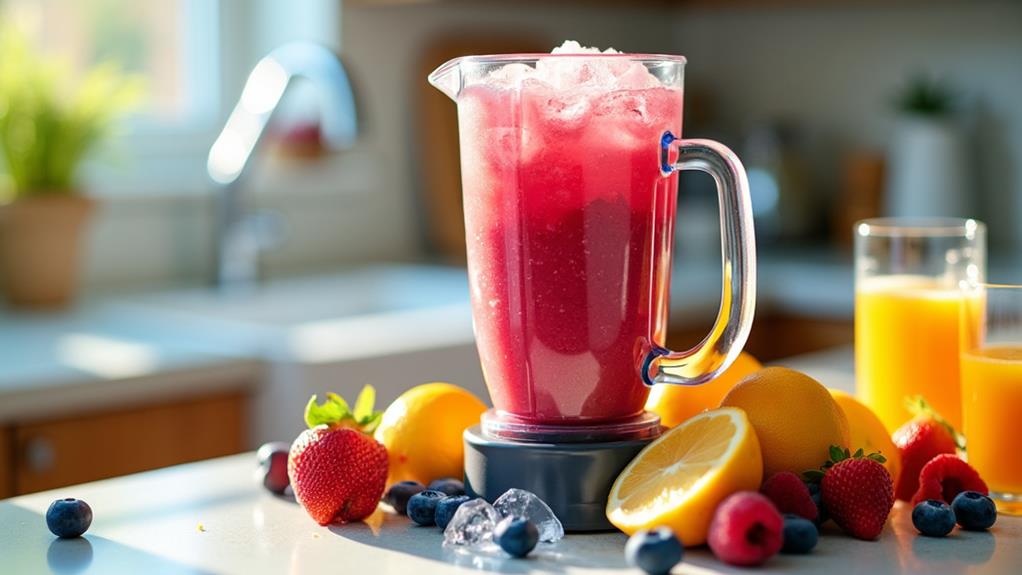
While preventing scratches on your pots is important, it's equally crucial to recognize that immersion blenders aren't designed for high-power tasks. They are convenient for smaller, simpler jobs but fall short when it comes to more demanding projects. For example, crushing ice or blending frozen fruit can be too challenging for an immersion blender, which requires the robust performance of a high-powered blender.
Additionally, achieving truly creamy soups or silky purées from firm ingredients is often beyond the capabilities of an immersion blender. The lower power output can't handle these high-precision tasks effectively.
When dealing with large batches, immersion blenders aren't ideal either. Their smaller size means they can't manage the volume that a traditional stand blender can handle.
Here are key reasons to opt for a more powerful appliance:
- Crushing Ice: Immersion blenders lack the power to crush ice effectively.
- Blending Frozen Fruit: They struggle with the firmness of frozen ingredients.
- Large Batch Processing: Immersion blenders are inefficient for big batches.
- Creamy Textures: For velvety sauces and creamy soups, a high-powered blender is essential.
For tougher tasks like chopping dry ingredients, a food processor is a better choice.