What Material Is Used in Blender Jars?
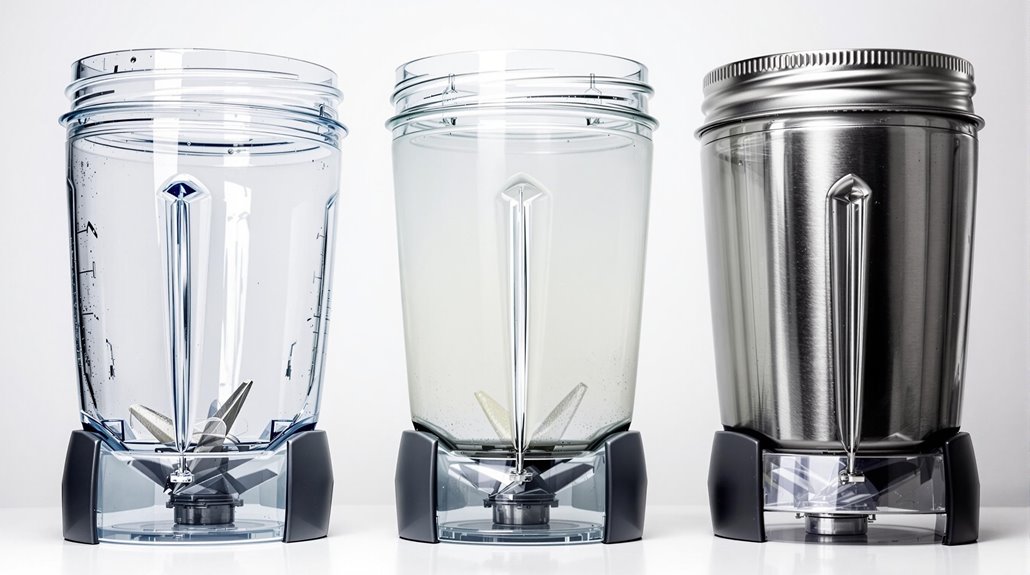
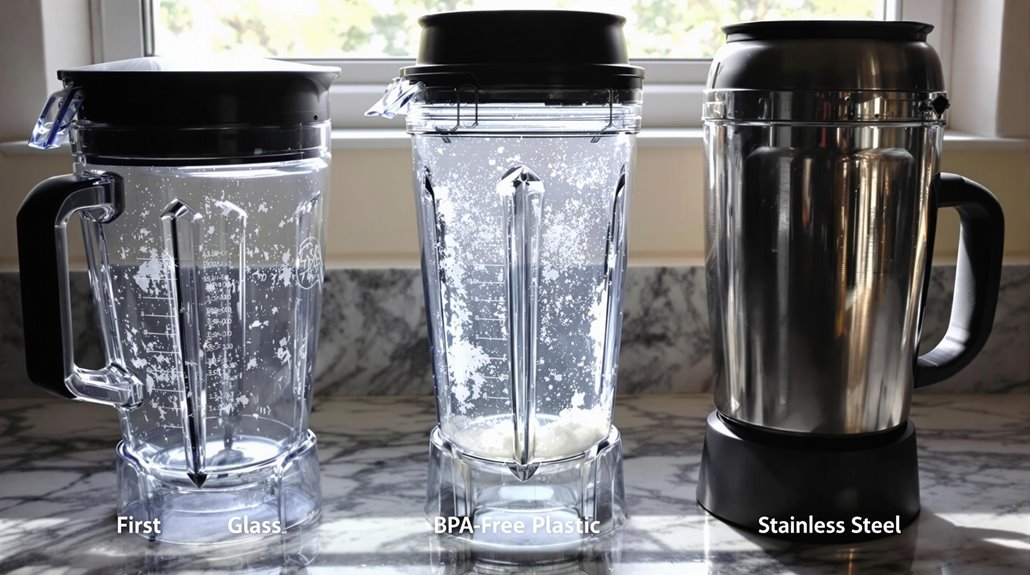
Blender jars are commonly made from three main materials: plastic, glass, or stainless steel. You'll find BPA-free Tritan plastic jars that are lightweight and shatterproof, while glass options offer better scratch resistance and won't absorb odors. Commercial settings often use durable stainless steel containers. Each material has distinct advantages - plastic allows easy viewing while blending, glass provides long-term clarity, and stainless steel offers unmatched durability. Understanding these differences can help you make the best choice for your needs.
Common Materials Used in Modern Blender Jars
When shopping for a blender, you'll find three main materials used in modern blender jars: plastic, glass, and stainless steel. Each material offers unique benefits that can match your specific needs and preferences.
Plastic jars, typically made from BPA-free Tritan resin, are lightweight and won't shatter if dropped. While they're resistant to food odors, they can become scratched and cloudy with regular use.
Glass jars provide excellent durability against scratches and won't absorb food odors, but they're heavier and can break if dropped. If you're looking for maximum durability, stainless steel jars are your best option. They won't scratch or shatter, though you won't be able to see inside while blending.
Consider how you'll use your blender most often when choosing between these materials. The clear viewing capability of glass jars makes them ideal for monitoring the consistency of your blends in real-time.
Advantages and Drawbacks of Glass Jars
Glass blender jars offer several persuasive benefits alongside notable limitations that you'll want to ponder. You'll appreciate their durability against scratches and stains, plus they won't absorb flavors or odors from your ingredients. They're excellent for hot soups and sauces since glass handles temperature changes well and won't leach chemicals into your food.
However, glass blender jars come with significant drawbacks. They're likely to break if dropped or knocked against hard surfaces, making them risky in busy kitchens. You'll find they're heavier than plastic alternatives, which can be challenging when pouring or storing. While glass surfaces are smooth, dried ingredients can stick stubbornly, making them difficult to clean thoroughly. The higher price point of glass jars might also impact your purchasing decision when compared to other materials. Their substantial weight provides excellent stability during blending operations, making them less likely to move around on the countertop.
Understanding Plastic Blender Container Options
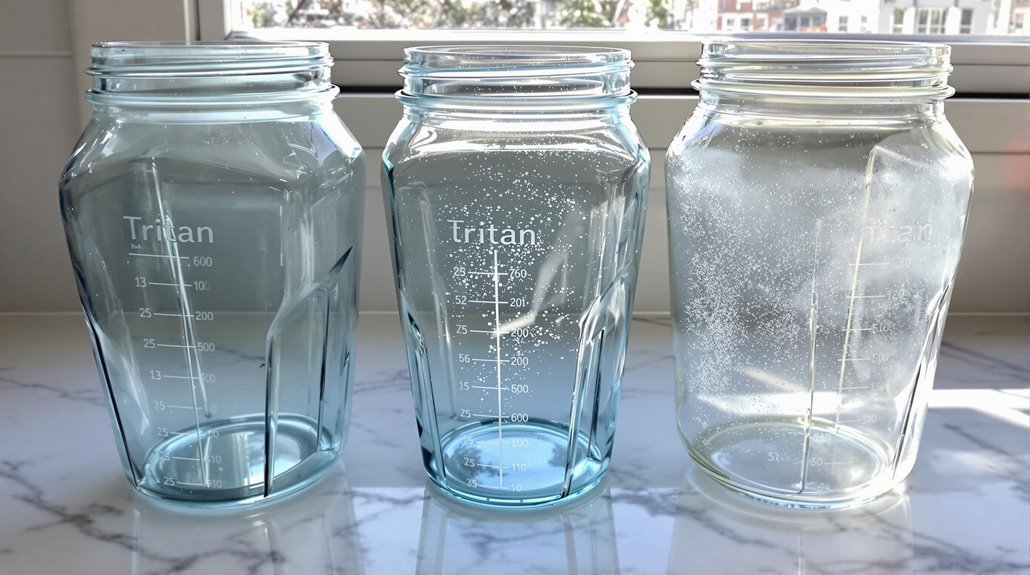
Modern plastic blender containers offer a practical alternative to glass, addressing many common concerns about weight and durability. When choosing between plastic or glass, you'll find that blenders with plastic jars typically feature BPA-free Tritan resin, which provides excellent visibility while remaining shatter-resistant.
These plastic blender jars excel at handling large batches, making them perfect for preparing beverages and sauces in quantity. You'll appreciate their lightweight design, which makes handling easier during use and cleaning. The construction includes thermoplastic elastomer components for the lid and handles, ensuring a secure grip.
Many models feature brushed stainless steel wraps that enhance both appearance and stability. The powerful stainless steel blade assembly works effectively with the plastic container, allowing you to blend various ingredients with confidence. While affordable and lightweight, plastic jars may require more thorough cleaning since they can absorb food odors over time.
Stainless Steel Jars: A Commercial Alternative
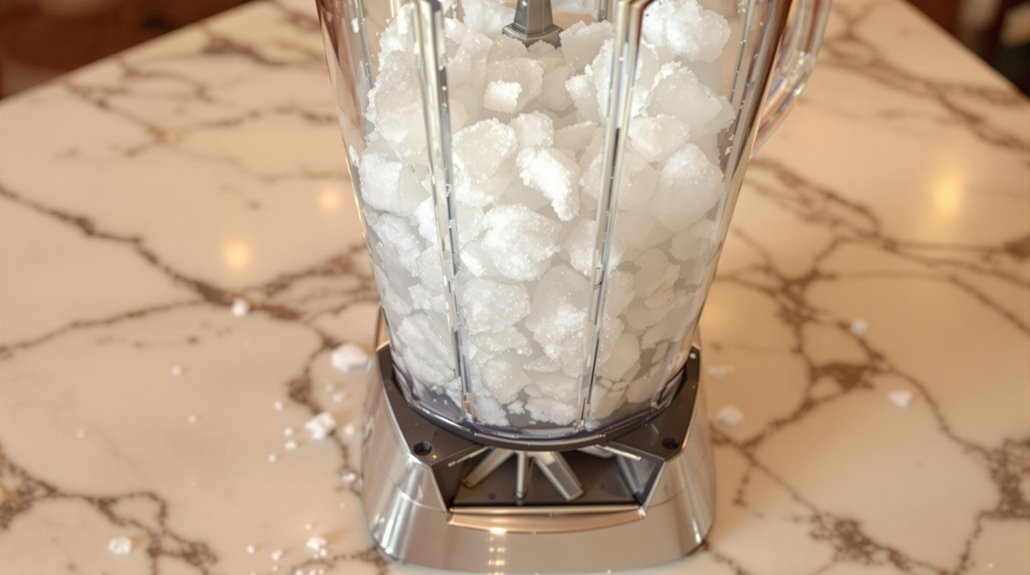
A shift toward stainless steel jars marks a significant trend in commercial blending applications. Unlike a glass jar blender, stainless steel containers are less likely to crack or break when crushing ice and other tough ingredients. If you're looking for professional-grade durability, a jar made of stainless steel offers unmatched resilience in high-use environments.
While you won't be able to see through the container during blending, the trade-off comes with exceptional strength and longevity that surpasses both plastic and glass alternatives. You'll find these containers primarily in commercial settings, though they're becoming increasingly popular among home users who prioritize durability over visibility. Keep in mind that choosing a stainless steel option typically means a higher initial investment, but the extended lifespan often justifies the cost.
Safety Considerations for Different Jar Materials
Three key factors determine the safety profile of blender jar materials: durability, break patterns, and impact resistance. You'll find that blenders with glass jars, like those from Hamilton Beach, offer superior scratch resistance but can pose risks if dropped. While plastic jars won't shatter like glass, they might discolor or scratch over time.
Glass jars rarely break during normal use, but if they do, tempered versions create safer, rounded pieces. Plastic jars offer excellent impact resistance and are lighter, reducing injury risk if dropped. High-speed blades can theoretically break through damaged plastic, though this is extremely rare. Both materials are extensively tested to withstand the intense forces generated during blending.
When choosing between materials, consider your specific needs while keeping in mind that both options prioritize user safety.
Durability and Performance Comparison
When comparing blender jar materials, each option presents distinct trade-offs in durability and performance. Glass jars are made to last and won't absorb odors or discolor, but their weight and potential to shatter make them less practical for frequent use. If you're looking for lightweight durability, plastic jars won't break when dropped, though they'll show wear through scratches and etching over time.
Stainless steel jars offer the best durability of all options, but you won't be able to see what's happening inside your blender while it's running. While each material has its strengths, your choice should align with your priorities. If you're concerned about longevity, glass or stainless steel might be your best bet, while plastic jars offer a good balance of functionality and practicality.
Related posts