What Is the Purpose of Handmixer?
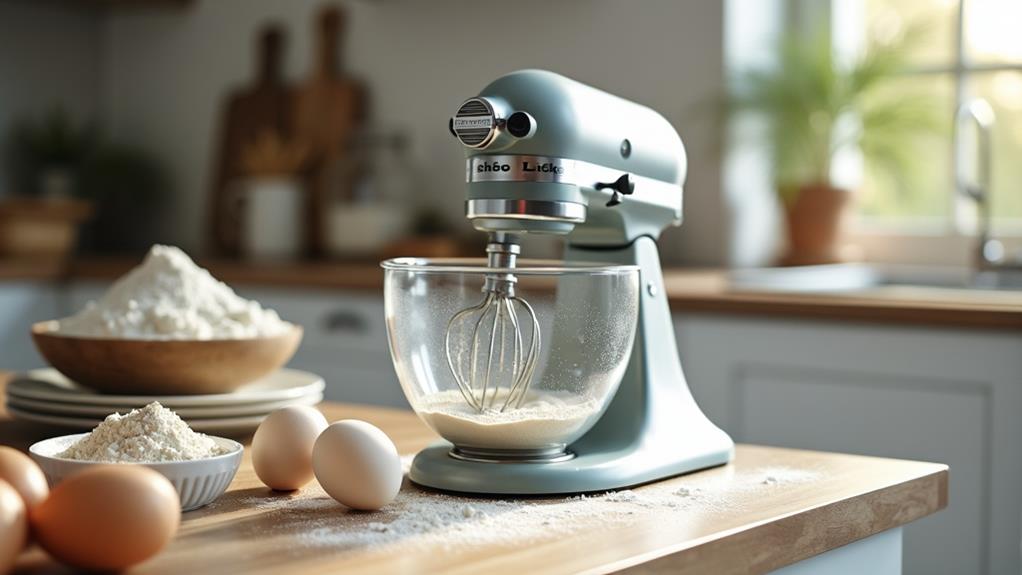
The purpose of a hand mixer extends beyond being a mere kitchen gadget. This versatile tool simplifies various mixing tasks, from seamlessly blending ingredients to whipping up airy textures in your batter. Whether you're an amateur baker or a seasoned professional, a hand mixer proves to be indispensable. Its effectiveness lies in its multiple speed settings and attachments, which allow you to tailor the mixing process to your specific needs. Understanding these features can dramatically enhance your culinary efforts. So, how does a hand mixer improve your cooking experience?
What Is a Hand Mixer?
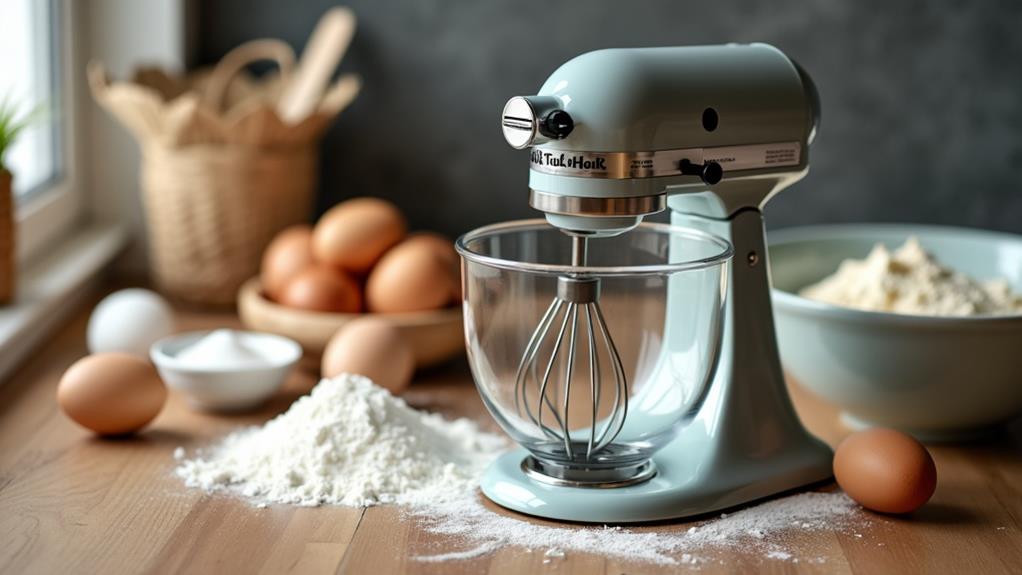
A hand mixer is a versatile and portable electric kitchen appliance designed for quick and efficient mixing tasks. This device features a handle, a motor housing, and typically two removable metal beaters. It usually offers multiple speed settings, allowing you to select the optimal speed for various mixing needs.
Ideal for blending small to medium-sized batches, a hand mixer is perfect for whipping cream, mixing batters, or preparing dough. Its compact size makes it a convenient choice for kitchens with limited storage space, offering a more manageable alternative to a stand mixer.
The hand mixer's versatility is one of its standout features. In addition to mixing and whipping, it can also knead and fold ingredients, making it indispensable for a wide range of recipes. The removable metal beaters are easy to clean and replace, enhancing its user-friendly design. With a hand mixer, you're well-equipped to handle diverse mixing tasks efficiently and effectively.
Common Uses of Hand Mixers
Hand mixers excel in a variety of everyday kitchen tasks, making them essential for home cooks. They are perfect for quickly blending icings, vinaigrettes, and small batches of cookie dough, enhancing efficiency in culinary activities. Whipping cream and egg whites becomes effortless, crucial for achieving the airy textures required in desserts like mousses and meringues.
In baking, hand mixers are invaluable for creaming butter and sugar, a key step in forming a fluffy base for many cookie and cake recipes. They are also ideal for mixing pancake and waffle batters, ensuring uniform consistency and reducing breakfast prep time.
Many hand mixers come with attachments such as dough hooks, simplifying the kneading process for small bread or pizza recipes. This versatility allows them to handle a range of mixing tasks, from thick cookie dough to delicate egg whites efficiently.
Mixing Techniques
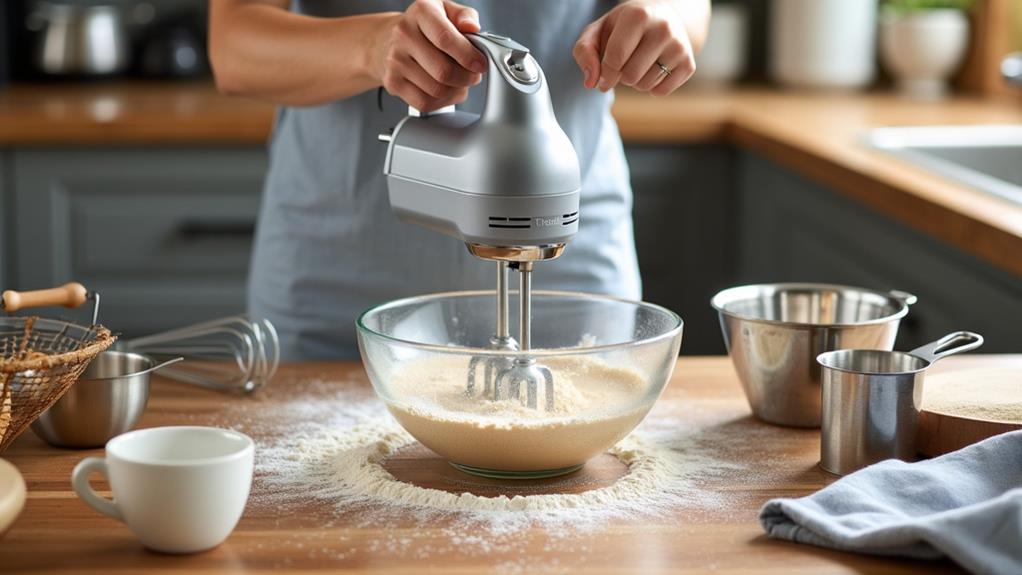
Mastering mixing techniques with a hand mixer can significantly elevate your culinary creations, making them lighter, fluffier, and more consistent. Whether you're preparing whipped cream, cookie dough, or kneading bread, the hand mixer is an indispensable tool in the kitchen.
One fundamental technique is creaming, which involves combining butter and sugar until the mixture becomes fluffy and pale. This step is crucial for many cookie recipes, ensuring a light and airy texture. Another key technique is incorporating air into batters and doughs, which is essential for achieving volume. For instance, whipped cream benefits greatly from this process, as the hand mixer helps achieve perfect stiff peaks.
When it comes to doughs, using a dough hook simplifies the kneading process, transforming your mixture into a smooth, elastic ball. This is especially useful for bread and pizza doughs, saving you both time and effort. Additionally, blending ingredients smoothly is vital for ensuring that your mixtures are consistent and lump-free.
| Technique | Benefit |
|---|---|
| Creaming | Fluffy and pale mixture |
| Incorporating Air | Light and airy batters |
| Kneading (Dough Hook) | Smooth, elastic dough |
| Blending Ingredients | Consistent, lump-free mixtures |
Whipping and Creaming
Whipping and creaming are essential techniques that can elevate your baking from good to exceptional. When whipping cream with a hand mixer, you achieve a light and airy texture crucial for desserts like mousses and frostings. To get the best results, chill the beaters beforehand and use medium speed to prevent over-whipping, which can cause a grainy texture.
Creaming butter and sugar is another vital step in many cookie and cake recipes. Using a hand mixer, you can combine these ingredients until they become fluffy and pale. This process softens the butter and creates a base for incorporating additional ingredients, enhancing both flavor and texture in your baked goods.
Whipping egg whites with a hand mixer and whisk attachments ensures consistent air incorporation, allowing you to achieve the stiff peaks necessary for perfect meringues. Whipping egg whites to stiff peaks enhances the texture and volume of your desserts.
Incorporating these techniques into your baking routine with a hand mixer not only improves your results but also makes the process quicker and more efficient. Whether you're making desserts or preparing dough, mastering whipping and creaming will elevate your creations.
Care and Maintenance
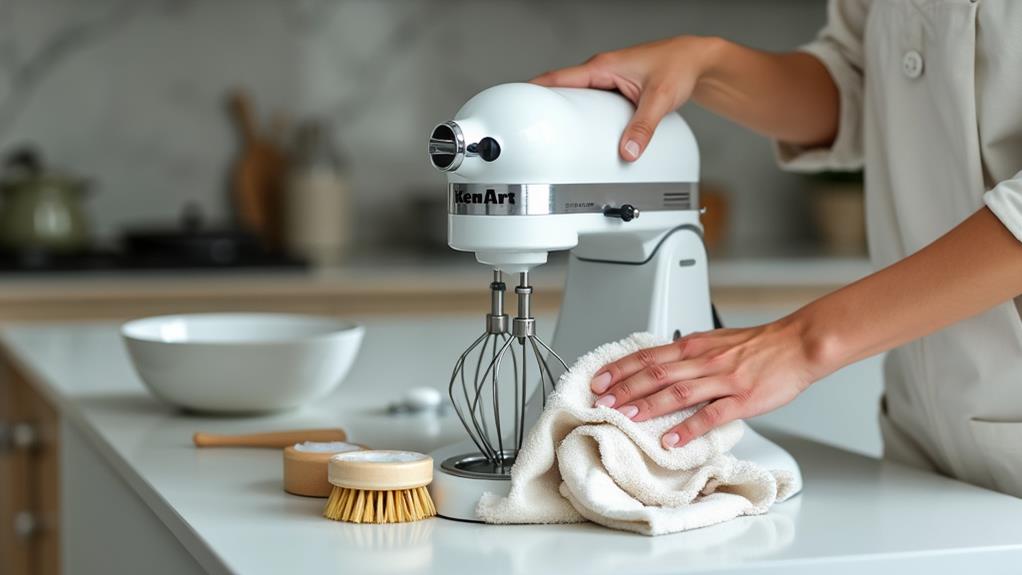
Proper care and maintenance of your hand mixer ensure it remains a reliable kitchen companion for years to come. Efficient cleanup starts with the detachable metal beaters, which are often dishwasher safe. Simply place them in the dishwasher after use to remove food residue. Regularly wipe the hand mixer body with a damp cloth to maintain its appearance and prevent buildup.
Store your hand mixer in a dry place, ideally keeping attachments organized to avoid damage and ensure easy access. It's crucial to inspect the power cord and attachments periodically for wear or damage, as any issues can affect both performance and safety.
Following the manufacturer's guidelines in the user manual is essential for specific maintenance recommendations and extending the lifespan of your hand mixer.
Here's a quick care and maintenance checklist to keep your hand mixer in top shape:
| Task | Frequency | Benefit |
|---|---|---|
| Wash detachable metal beaters | After each use | Easy cleanup |
| Wipe hand mixer body | Regularly | Maintain appearance |
| Inspect power cord and attachments | Monthly | Ensure safety |
| Store in a dry place | Always | Prevent damage |
| Follow manufacturer's guidelines | As needed | Extend lifespan |