What Is the Life Expectancy of a Hand Mixer?
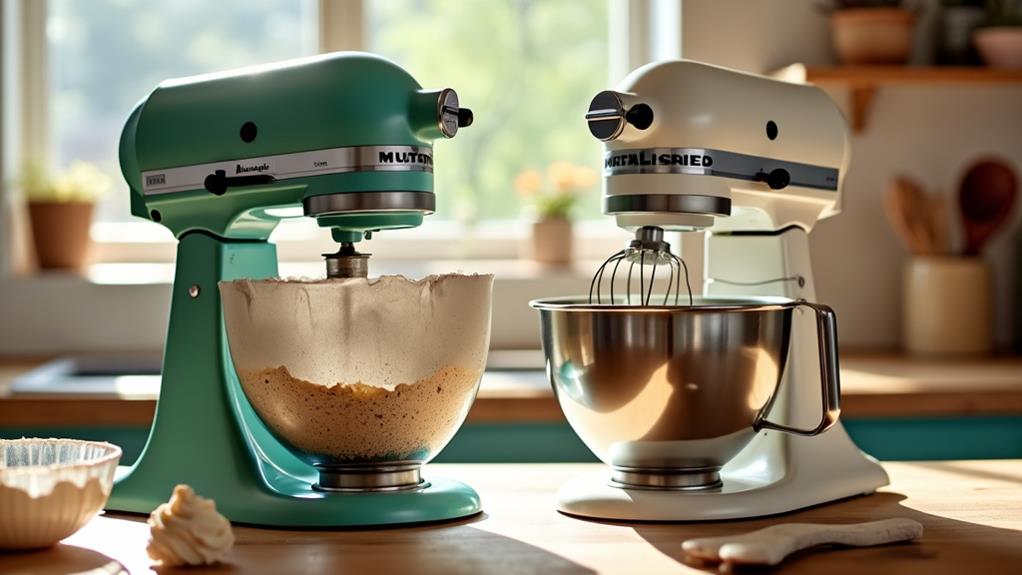
When evaluating the lifespan of a hand mixer, consider both usage frequency and maintenance. Typically, a hand mixer can last about four to five years with occasional use. Frequent use, however, may shorten its lifespan. High-quality brands and older models can sometimes exceed the average, lasting over 20 years. Want to maximize your hand mixer's lifespan? Let's explore the key practices and factors that can make a difference.
Warranty Coverage

When purchasing a hand mixer, understanding the warranty coverage is crucial. Warranties generally range from one to three years, indicating the manufacturer's confidence in the product's durability. It's important to ask about specific parts covered, such as the motor and attachments, as this can significantly impact your assurance in the product.
A longer warranty period often signals a higher quality product, lowering your financial risk. An extended warranty suggests that the manufacturer is confident in the product's longevity, providing peace of mind, especially for regular use.
Evaluating the warranty terms before purchasing ensures that you make an informed decision. Knowing the coverage and support guarantees helps you avoid unexpected costs if something goes wrong. Some manufacturers also offer extended warranty options, further boosting your confidence in the product's lifespan. By carefully considering the warranty coverage, you can invest in a hand mixer that meets your needs and provides lasting value.
User Control
Proper use and maintenance of your hand mixer can significantly extend its lifespan. Regular cleaning prevents buildup that can damage the machine, while avoiding overloading reduces strain on its components. Proactive care, such as oiling parts and replacing worn attachments, ensures your mixer remains functional well beyond its warranty period.
Regular Cleaning Benefits
Regularly cleaning your hand mixer offers several benefits that can significantly extend its lifespan. By cleaning your mixer after each use, you prevent the buildup of food residues and oils, which can strain the motor and lead to malfunctions over time. This simple maintenance step ensures optimal performance and longevity.
Disassembling and deep-cleaning your mixer components, such as beaters and bowls, also helps avoid moisture accumulation that can cause rust and corrosion on metal parts. Keeping these parts dry and clean guarantees their durability and effectiveness. Promptly removing food debris not only promotes hygiene but also ensures your mixer operates at its best during each use.
A consistent maintenance routine that includes regular cleaning can extend your hand mixer's life expectancy beyond the average of 4 to 5 years. By taking these small yet regular actions, you invest in the long-term efficiency and durability of your kitchen tool. So, don't neglect this vital task—your mixer will reward you with better performance and a longer lifespan.
Impact of Proper Use
Proper use of your hand mixer is essential for extending its lifespan. When used correctly, you can expect your appliance to last around four to five years, even with occasional use. Here are some tips to help you maximize the lifespan of your hand mixer:
- Avoid overloading: Do not exceed the mixer's capacity, as overloading can lead to accelerated wear and tear.
- Routine cleaning: After each use, clean the mixer thoroughly, including disassembling components to prevent buildup.
- Regular inspection: Frequently check attachments for signs of wear to address issues early.
- Follow manufacturer guidelines: Adhere to the usage and care instructions provided by the manufacturer to prevent common failures.
- Proper storage: Store the hand mixer in a safe place to prevent damage.
Avoid Overloading
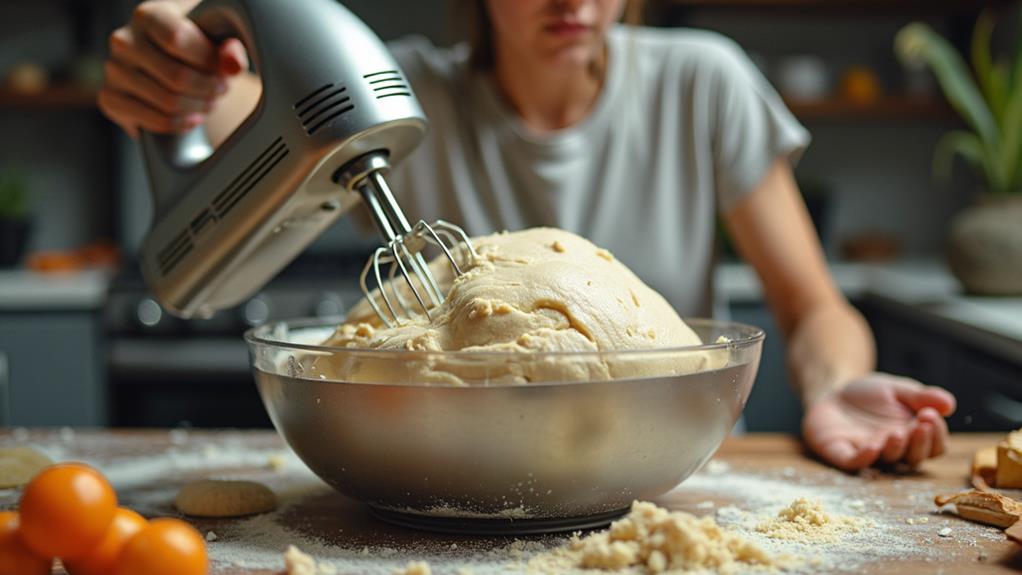
When using your hand mixer, avoiding overloading is essential for maintaining its longevity and performance. Ensure the mixer's capacity exceeds your typical mixing needs to prevent overloading and reduce wear on the motor and gears. Overloading the mixer beyond its designed capacity can lead to early motor burnout and mechanical failure, significantly shortening the appliance's lifespan.
Assess the mixer's specifications and recommended load limits before each use. Adhering to these guidelines ensures you are not straining the appliance. Hand mixers operate more smoothly and efficiently within their capacity limits, providing consistent performance over time. Regularly avoiding maximum load limits during mixing tasks contributes to the durability and long-term performance of your hand mixer.
Importance of Maintenance
To keep your hand mixer operating efficiently for years, establish a regular cleaning routine and promptly replace any worn parts. Proper storage in a dry, safe location is also crucial for maintaining its functionality. By adhering to these practices, you'll ensure your mixer remains a reliable kitchen tool well beyond its expected lifespan.
Regular Cleaning Routine
A consistent cleaning routine is essential for maintaining your hand mixer in optimal condition. Cleaning your hand mixer after each use prevents food residue buildup, which can lead to motor malfunctions and shorten the mixer's lifespan. Disassembling and thoroughly cleaning components like the beaters and bowls ensures peak performance and longevity.
Here's why regular cleaning is important:
- Prevents food residue buildup: Ensures smooth operation without obstructions.
- Avoids corrosion and damage: Keeps metal and plastic parts in good condition, preventing premature wear.
- Enhances hygiene: Keeps your mixer clean and safe for food preparation.
- Minimizes wear on gears and motor: Reduces strain on internal mechanisms, extending the mixer's life.
- Follows manufacturer guidelines: Adhering to these instructions improves durability and efficiency.
Neglecting to clean your mixer can lead to severe issues like corrosion or damage to plastic parts, ultimately shortening its usable life. By maintaining a regular cleaning routine, you ensure your hand mixer remains in excellent working condition, ready for any culinary task.
Timely Part Replacement
Proper maintenance of your hand mixer extends beyond regular cleaning; it includes timely part replacement to ensure optimal performance. Regularly inspecting and replacing worn or damaged attachments, such as beaters and whisk heads, helps maintain the mixer's efficiency and prevents unnecessary strain on the motor. By catching wear and tear early, you can avoid more significant issues down the line.
Keeping the motor free from dust and debris is also crucial. Replacing any faulty electrical components can prevent motor burnouts and significantly extend the lifespan of your hand mixer. Routine checks for unusual noises or performance issues allow for early intervention, preventing further damage and avoiding costly repairs.
Following the manufacturer's guidelines for part replacement and maintenance not only enhances your mixer's longevity but also ensures its safety. Ignoring these guidelines could result in operational hazards. By focusing on timely part replacement, your hand mixer can last well beyond the average 4 to 5 years, providing more value and reliable performance in your kitchen tasks.
Proper Storage Practices
Proper storage of your hand mixer is essential for prolonging its lifespan and maintaining its functionality. To prevent moisture damage and physical wear, adhere to the following guidelines:
- Detach Beaters and Attachments: Always remove beaters and other attachments before storing the mixer. This prevents unnecessary strain on the motor and keeps all components in good condition.
- Choose a Suitable Storage Location: Select a dry, cool area to store the mixer. Moisture can cause electrical issues and rust, significantly reducing the mixer's lifespan.
- Avoid Heavy Loads: Do not place heavy items on top of the mixer, as this can damage its structure and internal parts.
- Use a Storage Container or Drawer: For added protection, store your mixer in a designated container or drawer to safeguard it from dust and accidental falls.
- Clean Before Storage: Regularly clean the mixer and its attachments before storing them. Residual food particles can lead to deterioration over time.
Choosing the Right Mixer
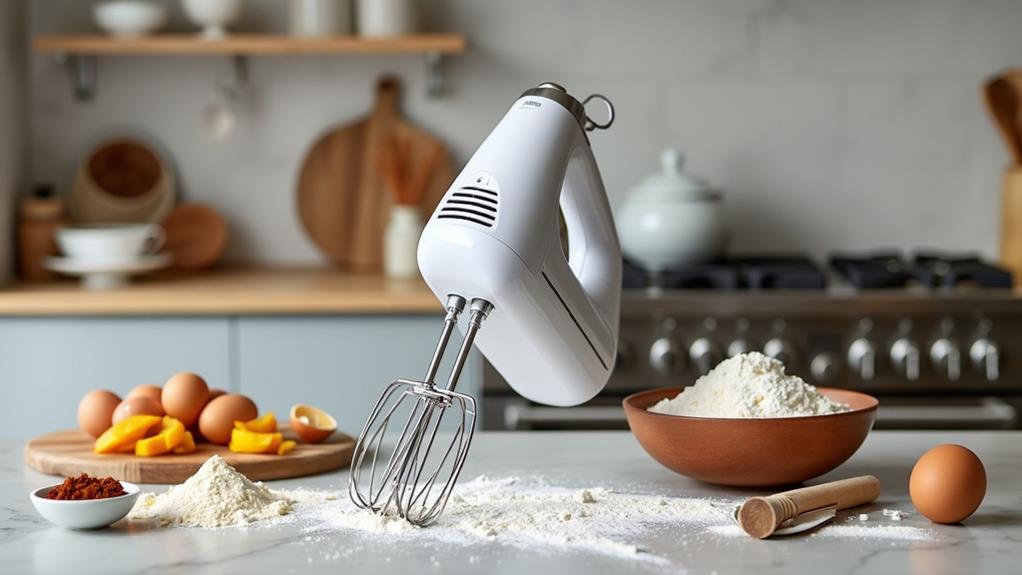
Choosing the ideal hand mixer requires balancing practicality and performance. Motor power is crucial; models with higher wattage typically offer superior performance and durability. Look for mixers with multiple speed settings, as this feature adds versatility to your kitchen tasks.
Consider the mixer's weight and design. A lightweight model reduces fatigue during extended use, and an ergonomic design ensures comfortable handling.
Durable attachments are also important. Opt for stainless steel beaters, which are more durable and provide better mixing capabilities than plastic ones. Stainless steel is resistant to corrosion, promoting longevity.
Lastly, check the warranty coverage. A longer warranty often reflects the manufacturer's confidence in the product's durability and performance, giving you peace of mind that your investment is protected.
Hand Mixer Lifespan
After selecting the perfect hand mixer, it's important to consider its potential lifespan. Typically, a hand mixer lasts around four to five years with occasional use. However, frequent use, particularly for heavy-duty tasks, can significantly reduce its lifespan, sometimes leading to failures within just a few months.
To maximize the longevity of your hand mixer, consider the following factors:
- Usage Frequency: More frequent use accelerates wear and tear.
- Task Intensity: Heavy-duty mixing can strain the motor and components.
- Brand and Model: High-quality brands often offer better durability.
- Maintenance: Regular cleaning and proper storage can extend its lifespan.
- Component Quality: Models with metal parts are generally more durable than those with plastic components.
It's noteworthy that older models have been known to last over 20 years, demonstrating that durability can vary widely. Common reasons for replacement include motor burnout, broken beaters, and failing plastic parts. By considering these factors and maintaining your mixer properly, you can enhance its lifespan and enjoy many years of baking and cooking.
Common Issues
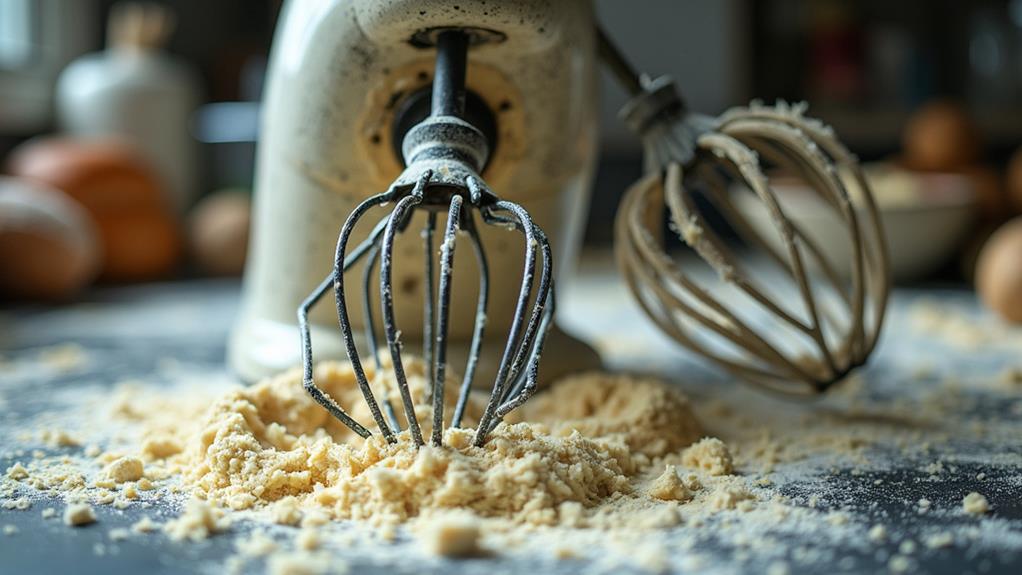
When using a hand mixer, common issues often arise due to overuse or inadequate maintenance. One prevalent problem is motor burnout, typically caused by overloading the mixer or using it excessively. Signs of motor or gear issues include strange noises or a decline in mixing efficiency.
Frequent use can also lead to wear and tear on the beaters or attachments, particularly if they are made of plastic. These parts can break more easily, diminishing your mixer's effectiveness. Interestingly, many users report that newer models have a shorter lifespan compared to older, vintage ones, which were known for their durability.
To mitigate these issues, regular maintenance is crucial. Cleaning and inspecting attachments can extend your mixer's lifespan. By addressing problems early, you can prevent more significant failures. While modern hand mixers may not be as durable as older models, proper care can help you avoid premature replacements and keep your appliance running smoothly.
Replacement Tips
Regular maintenance can extend the life of your hand mixer, but eventually, replacement becomes necessary. Signs that it's time for a new mixer include motor malfunctions, unusual noises, or physical damage to the mixer body or attachments. Here are some tips to help you choose the best replacement option:
- Frequency of Use: If you use your hand mixer frequently, invest in a high-quality, durable brand like KitchenAid or GE. These brands are known for their longevity and performance.
- Warranties and Guarantees: Look for models that come with warranties or satisfaction guarantees. These offer peace of mind and options for replacement if your new mixer fails prematurely.
- Thrift Stores and Rummage Sales: Sometimes, older hand mixers found at thrift stores or rummage sales are more durable than newer models, having already proven their longevity.
Summary
- Recognize signs of wear and tear.
- Choose reputable brands for durability.
- Look for warranties or satisfaction guarantees.
- Consider the frequency of use.
- Check thrift stores for older, reliable models.