What Is the Life Expectancy of a Food Processor?
When you invest in a food processor, you naturally want to know its expected lifespan. Typically, a food processor lasts between 7 and 10 years, although heavy usage might reduce this to 3 to 5 years. The lifespan depends on several factors, including frequency of use and maintenance practices. High-quality brands like Cuisinart and KitchenAid generally offer better durability. Proper maintenance can significantly extend the life of your appliance. So, what specific steps can you take to ensure your food processor remains reliable for as long as possible? Here are some tips:
- Regular Cleaning: Clean all parts after each use to prevent residue buildup.
- Proper Storage: Store the processor in a dry place to avoid moisture damage.
- Avoid Overloading: Stick to the recommended capacity to prevent motor strain.
- Timely Repairs: Address any mechanical issues promptly to avoid further damage.
- Use as Intended: Follow the manufacturer's guidelines for usage.
By adhering to these practices, you can maximize the lifespan of your food processor.
Average Lifespan
When purchasing a food processor, it is essential to understand its average lifespan, which typically ranges from 7 to 10 years. This duration can vary based on maintenance and care. Regular deep-cleaning and adherence to the manufacturer's care instructions can significantly extend the appliance's life. Proper storage and handling are also crucial.
Signs of wear, such as decreased performance or unusual noises, indicate that the food processor may need replacement soon. Heavy usage might necessitate repairs or a complete replacement within 3 to 5 years.
Investing in a high-quality model often results in a longer lifespan and better performance. Routine maintenance and care are vital for longevity. By addressing early signs of wear, you can prevent more serious issues and ensure your food processor serves you well for many years.
Factors Affecting Longevity
Several factors significantly impact the longevity of a food processor, and understanding these can help you make an informed decision. The frequency of use is crucial; daily use will likely lead to quicker wear and tear compared to occasional use.
Regular maintenance is essential. Deep-cleaning your food processor after each use prevents food residue buildup, which can impair functionality and shorten its lifespan. Pay attention to performance decline, such as strange noises or reduced efficiency, as these often indicate wear and tear on the motor or blades. Ignoring these signs can result in more significant issues and a shorter lifespan for your appliance.
Build quality and brand reputation also play a significant role in longevity. Higher-quality models from reputable brands generally last longer than budget options due to superior materials and craftsmanship.
Proper storage and handling are equally important. Avoid dropping or impacting your food processor, as physical damage can reduce its lifespan. By considering these factors and taking appropriate actions, you can ensure your food processor lasts as long as possible, providing the best return on your investment.
Maintenance Tips
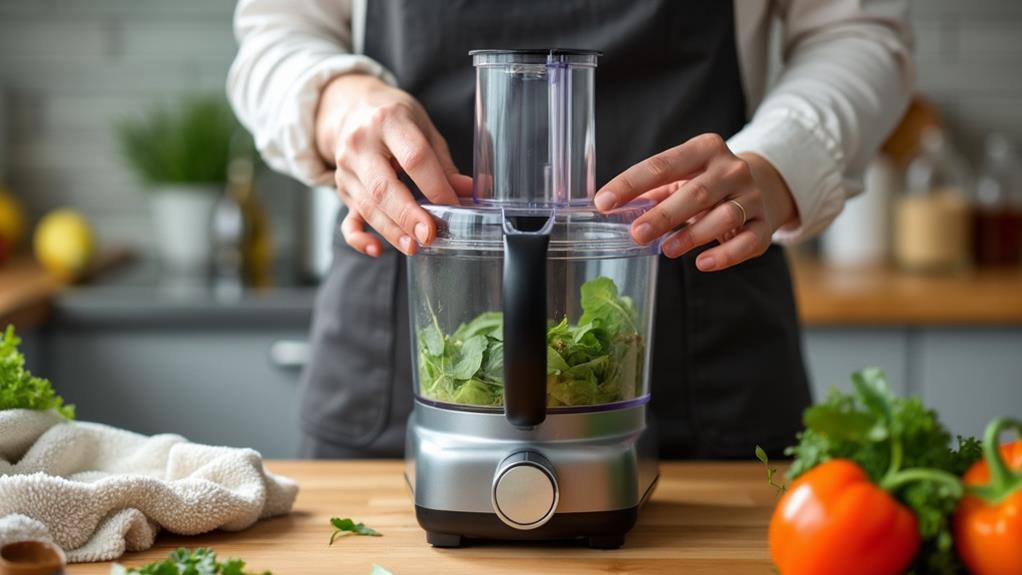
To ensure your food processor runs efficiently and lasts longer, regularly disassemble and deep-clean it after each use to prevent food residue buildup. Inspect and replace dull blades to maintain optimal performance. Store the appliance in a cool, dry place. Following these maintenance tips will help extend the life of your food processor.
Regular Deep Cleaning
Regularly deep cleaning your food processor after each use is essential for maintaining its performance and hygiene. Consistent cleaning prevents food residue buildup, ensuring efficiency and extending the appliance's lifespan.
Begin by disassembling the food processor completely. Remove the bowl, lid, and blades, and wash each component thoroughly with warm, soapy water. Pay special attention to the blade assembly and any crevices where food particles might be trapped. Ensuring all parts are free of debris is crucial for peak performance.
For stubborn stains or persistent odors, soak the detachable parts in a mixture of vinegar and water for a few minutes before washing. This helps to break down tough residues and neutralize any lingering smells.
Always consult the manufacturer's cleaning instructions to avoid damaging any parts. Some components may be dishwasher-safe, while others are not. Following these guidelines will help you keep your food processor in top condition, ensuring it remains a reliable tool in your kitchen for years to come. Regular deep cleaning is a small effort that significantly pays off in the long run.
Blade Maintenance Practices
Maintaining the blades of your food processor is crucial for optimal performance and longevity. Regular inspection and cleaning after each use prevent food buildup and maintain blade sharpness. Follow these effective blade maintenance practices:
- Daily Cleaning: After every use, disassemble the food processor and wash the blades in warm, soapy water. This prevents mold and food residue buildup, which can dull the blades over time.
- Deep Cleaning: Occasionally, soak the blades in warm, soapy water and gently scrub with a soft brush. This prevents corrosion and extends the blades' lifespan.
- Sharpening: If the blades become dull, use a honing tool or a professional sharpening service. Dull blades reduce efficiency and strain the motor.
Proper Storage Techniques
Proper storage techniques for your food processor can significantly extend its lifespan and ensure it remains in optimal working condition. Always store your food processor in a cool, dry place to prevent moisture buildup, which can lead to mold and electrical issues. Use the original packaging or a dedicated storage case to protect it from dust and accidental damage.
Keep the processor assembled with all attachments nearby for convenience. Ensure that blades and discs are thoroughly cleaned and dried before storage to prevent rust. Avoid stacking heavy items on top of your food processor to prevent warping or damaging its components and casing.
Storage Tips for Your Food Processor
| Storage Aspect | Tip |
|---|---|
| Location | Store in a cool, dry place to avoid moisture buildup. |
| Protection | Use original packaging or a storage case to protect from dust. |
| Component Safety | Avoid stacking heavy items on top to prevent damage. |
Signs of Decline
When your food processor starts making unusual noises like grinding or rattling, it often signals motor issues. These sounds may indicate a decline in performance and suggest that your food processor is nearing the end of its life. Beyond these noises, there are other important signs of decline to watch for.
- Dull Blades: If the blades struggle to chop or slice ingredients effectively, they are likely dull. Dull blades not only hinder food preparation but can also strain the motor, accelerating wear and tear.
- Motor Struggles: When your food processor has trouble maintaining speed or requires excessive effort to operate, this points to motor wear. A weakening motor can't handle the workload efficiently and is a clear red flag.
- Cracks in Bowl or Lid: Cracks are not just cosmetic issues. They pose safety hazards and can lead to accidents. If you notice cracks, it's best to replace these parts immediately to avoid any mishaps.
Frequent breakdowns and costly repairs also indicate that it might be more economical to invest in a new food processor. Monitoring these signs can help you decide when it's time for an upgrade.
Brand and Model Impact
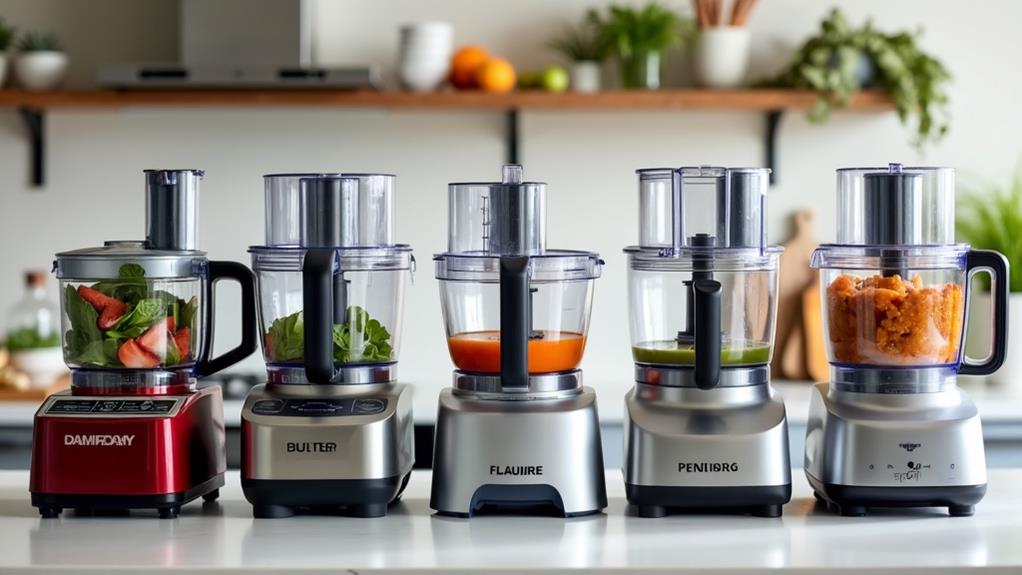
Choosing a food processor involves more than just picking a familiar brand. The brand and model you select can significantly impact the lifespan and performance of the appliance. High-quality brands like Cuisinart and KitchenAid are renowned for their durability and effectiveness, often outperforming budget options. For those serious about food preparation or running a commercial kitchen, investing in a high-end model is crucial.
For example, Cuisinart models are known for their powerful motors and robust construction, which not only enhance performance but also contribute to a longer lifespan—often exceeding the typical 7 to 10 years. Some users report that these models can provide reliable service for over a decade, making them a smart investment despite their higher initial cost.
Regular maintenance and adherence to the manufacturer's guidelines are essential for maximizing the life expectancy of any food processor. Even the best brands can fail prematurely if not properly cared for. While it may be tempting to opt for a cheaper model, the long-term benefits of choosing a high-quality brand like Cuisinart can make a significant difference, particularly in demanding environments like commercial kitchens.
Comparing to Other Appliances
Food processors generally have a lifespan of 7 to 10 years, making them competitive among kitchen appliances. Let's compare their durability and versatility:
- Dishwashers and Microwaves: Both have a similar lifespan of up to 10 years. However, food processors need more frequent deep cleaning to maintain optimal performance.
- Kitchen Mixers: These typically last 8 to 12 years. While mixers excel at tasks like dough mixing, food processors offer a broader range of functions, enhancing their utility in the kitchen.
- Coffee Makers and Blenders: Coffee makers generally last 3 to 5 years, and blenders last around 5 to 7 years. Food processors, designed for more versatile tasks, often have a longer lifespan with proper maintenance.
Cost Vs. Lifespan
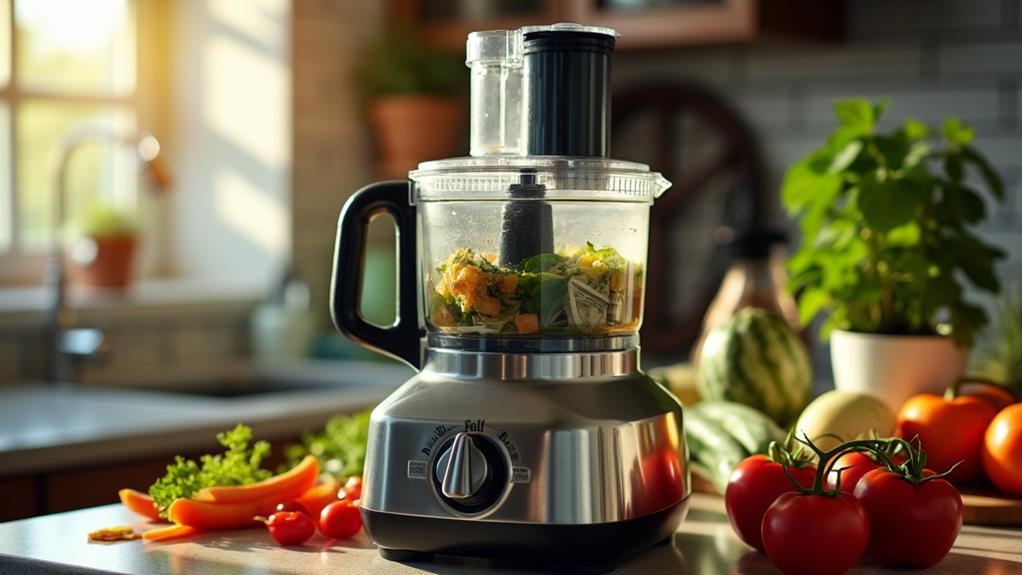
When evaluating the cost versus lifespan of a food processor, you'll find that higher-quality models, though more expensive initially, often provide superior long-term value due to their durability. Investing in a reputable brand can save you money over time by reducing the frequency of replacements. Regular maintenance and cleaning are also crucial in maximizing your investment and significantly extending the device's lifespan.
Initial Investment Analysis
Investing in a food processor can significantly enhance your kitchen's efficiency and improve your cooking experience. When evaluating the initial investment, it is essential to consider the cost in relation to the appliance's potential lifespan. A high-quality food processor can last between 7 to 10 years, making it a valuable long-term addition to your kitchen.
Here's a detailed breakdown to help you assess:
- Cost Range: High-quality models range from $60 to $480. While the initial cost might be higher for more durable models, they often offer better performance and longevity.
- Annual Cost: Depending on the model and its lifespan, the annual cost could range from $6 to $70, making a food processor a cost-effective investment for your home.
- Versatility and Savings: Investing in a model with multiple features and attachments can reduce the need for additional kitchen gadgets, saving both space and money over time.
Long-Term Value Assessment
After considering the initial investment, it's crucial to assess the long-term worth of a food processor by comparing its cost to its lifespan. A typical food processor lasts between 7 to 10 years. Given the average price of quality models at around $244, the cost per year of use can be as low as $24.40 if the appliance lasts a full decade. This breakdown emphasizes the long-term value you get from investing in a durable food processor.
Opting for high-quality models, such as the Cuisinart Custom 14-Cup Food Processor, often results in better performance and reliability. These models can exceed the typical 10-year lifespan without significant issues, offering even greater long-term value. Regular maintenance and cleaning can further extend the lifespan, reducing the need for frequent replacements and ensuring you maximize your investment.
When evaluating cost versus lifespan, a food processor that lasts longer generally offers better value over time compared to cheaper models that may require replacement sooner. By investing in a durable, high-quality food processor, you not only save money in the long run but also enjoy consistent performance and reliability in your kitchen.
User Reviews
User reviews consistently highlight that the average lifespan of food processors ranges from 7 to 10 years, heavily influenced by frequency of use and maintenance. With proper care, these appliances can serve well beyond this typical range. Regular deep-cleaning and proper handling are frequently cited as essential maintenance practices that extend the life of food processors.
From user reviews, a few key points stand out:
- Maintenance Practices: Regular cleaning and careful handling are crucial for longevity. Users who diligently maintain their food processors report fewer issues and longer-lasting performance.
- Performance Decline: Signs such as strange noises or reduced efficiency are common indicators that the food processor may be nearing the end of its lifespan.
- Brand Quality: High-quality brands are often praised for their durability. Some users report using their food processors for over a decade without major problems.
Replacement Indicators
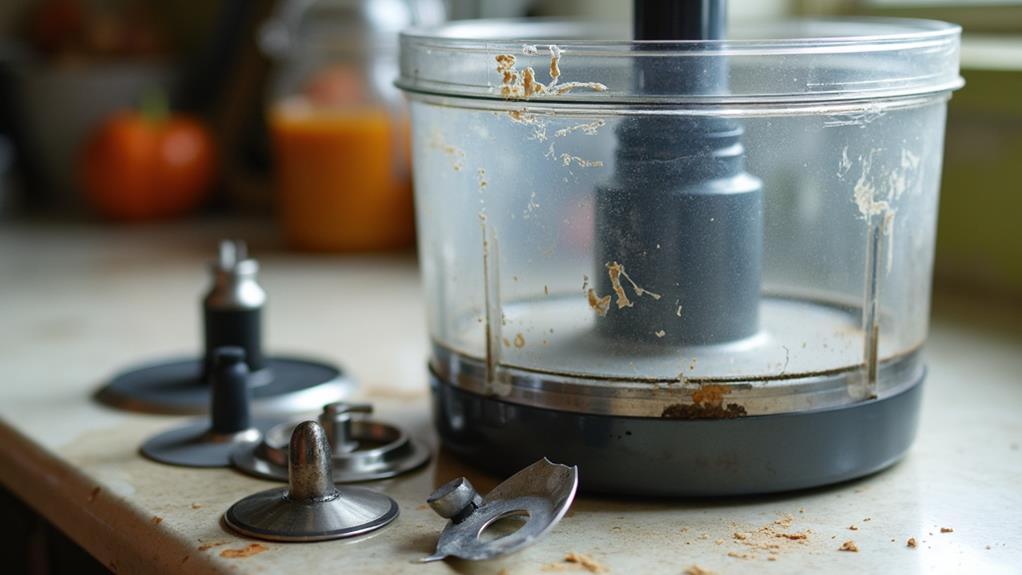
User reviews highlight the importance of maintenance for prolonging a food processor's lifespan, but it's equally crucial to recognize when it's time for a replacement. One primary indicator is declining performance. If your food processor struggles to chop or blend ingredients effectively, it likely means the internal components are worn out and it's time for a new one.
Strange noises, such as grinding or rattling, are also red flags. These sounds generally indicate internal wear and tear, suggesting that a replacement is necessary. Another critical indicator is the presence of cracks in the bowl or lid. These not only impair functionality but also pose safety risks, making a new unit essential.
Frequent motor malfunctions or overheating are signs that your food processor is nearing the end of its useful life. Instead of investing in repeated repairs, it is often more cost-effective to replace the unit. Finally, if you experience regular service interruptions or need repairs frequently within a short period, it's a clear signal that your food processor should be replaced.