What Is the Life Expectancy of a Blender?
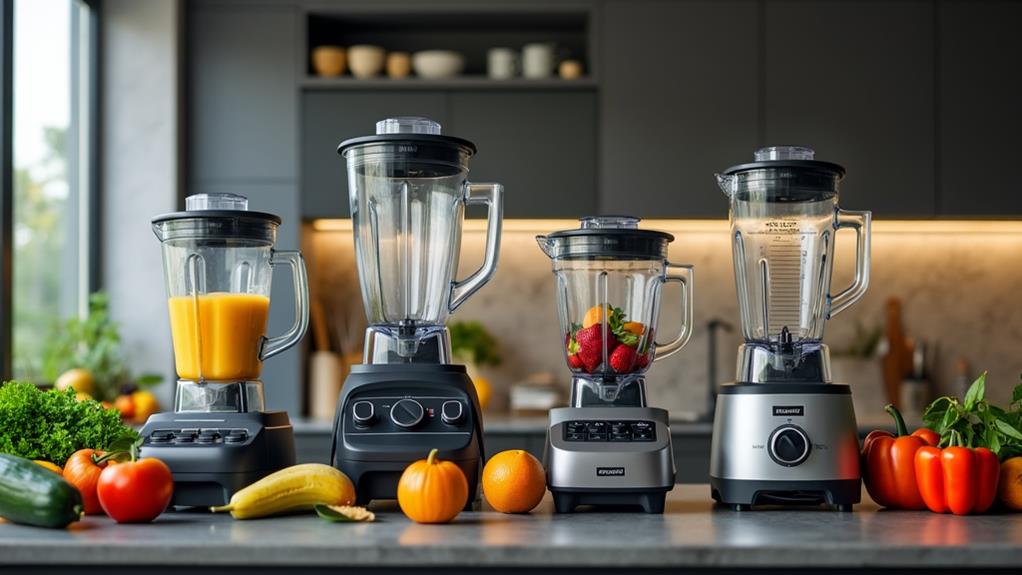
The life expectancy of a blender depends on various factors beyond just the brand or price. Key aspects include frequency of use, material quality, and maintenance practices. For daily users, a blender typically lasts 3 to 5 years, whereas occasional users may see it last over a decade. Want to maximize your blender's lifespan and ensure efficient performance? Let's explore the critical factors that make a difference.
Factors Affecting Lifespan
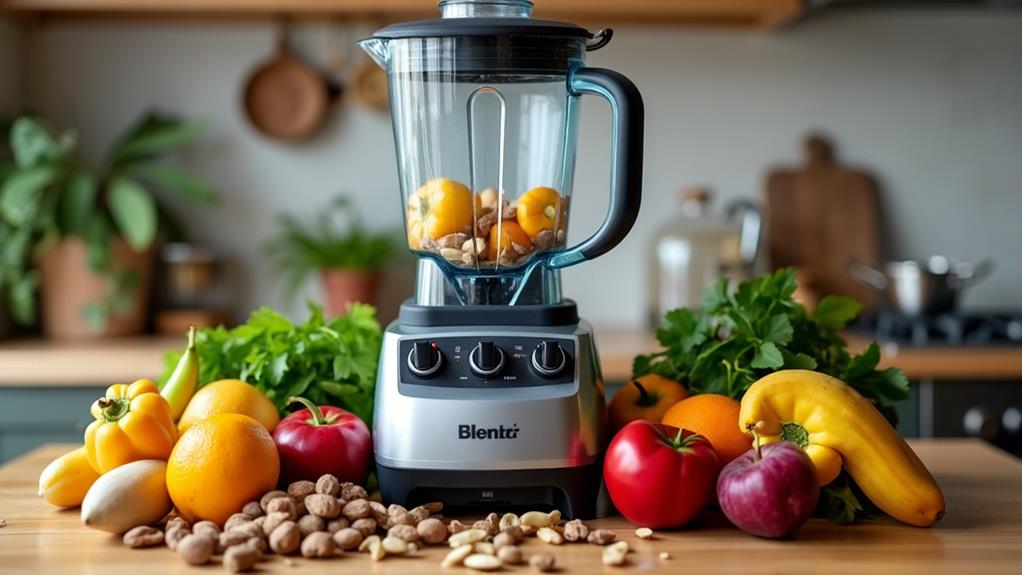
When evaluating the factors that influence a blender's lifespan, the frequency of use and the types of ingredients blended are crucial. Daily use, particularly with hard ingredients like ice or nuts, accelerates wear and tear. Less powerful models may have a lifespan of 3 to 5 years under these conditions, while high-end blenders can last up to 10 years with proper care.
To extend your blender's operational life, regular maintenance is key. Clean the blender thoroughly after each use to avoid residue buildup, which can dull blades and strain the motor. Additionally, timely replacement of worn parts such as blades and gaskets can prevent overheating and sustain performance.
Build Quality and Materials
Investing in a blender with high build quality and durable materials can significantly extend its lifespan. Blenders with stainless steel blades are much more durable and resistant to wear than those with plastic blades, allowing them to handle tougher ingredients without dulling or breaking. This leads to a longer operational life.
A robust motor base is another critical component of build quality. Choosing a blender with a sturdy motor ensures that the device can withstand frequent use, providing better performance and reducing the likelihood of mechanical failures over time.
The material of the container also plays a role. Plastic containers are lighter and generally more durable, but they can absorb stains and odors. In contrast, glass containers are sturdier and less likely to retain smells, although they risk cracking or chipping if mishandled.
Regularly inspecting your blender's components and following the manufacturer's maintenance guidelines can greatly contribute to its longevity. By selecting a blender with excellent build quality and stainless steel components, you're setting yourself up for years of reliable use.
Frequency of Use
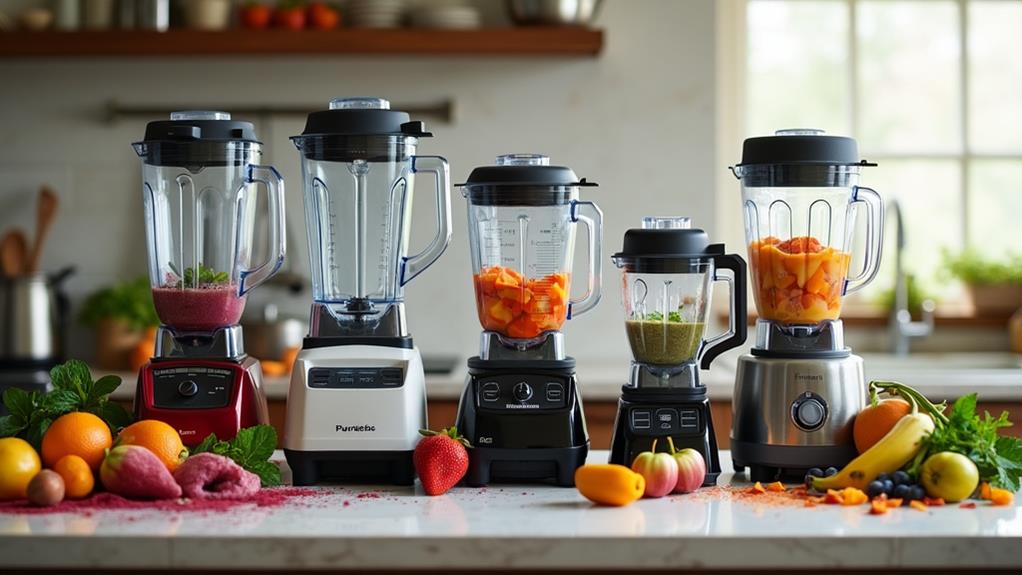
Using your blender daily can lead to faster wear, typically within 3 to 5 years, especially with tough ingredients. In contrast, occasional use can extend its lifespan, allowing a high-quality blender to last over a decade with proper care. Regular maintenance and cleaning are essential to mitigate wear from frequent use and ensure optimal performance.
Daily Use Impact
Using a blender daily can significantly reduce its lifespan to 3-5 years, compared to the decade-long service you might get from occasional use. Frequent blending, especially of tough ingredients like frozen fruits or ice, puts a strain on the motor and blades. This strain can lead to early failure and diminished performance over time.
Daily use increases the chances of the motor overheating, which can damage internal components and accelerate wear. Regular maintenance and proper cleaning can help mitigate some of this wear, but they often aren't enough to fully counteract the effects of heavy use.
If you use your blender every day, consider opting for a higher wattage model designed for heavy-duty tasks. These models are better suited for the strain of daily operation. Choosing the right blender for your needs can make a big difference in its longevity and performance.
Occasional Use Benefits
Using your blender occasionally rather than daily can significantly extend its lifespan and maintain its efficiency. Less frequent use reduces the wear and tear on the motor and blades, leading to a potentially longer operational life. High-quality blenders used sparingly can last up to 10 years, in contrast to 3-5 years for those subjected to daily use.
Blenders that are not used frequently are less likely to overheat and experience mechanical failures, contributing to their overall durability. This reduced usage frequency allows for better maintenance, including deeper cleaning and thorough inspections, which can help prevent issues commonly associated with frequent use. Allowing your blender to rest can also prevent the strain that continuous operation places on its components.
Here's a comparison highlighting the benefits of occasional use:
| Usage Frequency | Lifespan | Maintenance Needs |
|---|---|---|
| Daily Use | 3-5 years | Higher |
| Occasional Use | Up to 10 years | Lower |
| Proper Care | Extended Lifespan | Regular cleaning & inspection |
Evaluating how often you use your blender can help determine when it might need replacing. With occasional use and appropriate care, you can enjoy a longer-lasting and more reliable appliance.
Motor Power and Performance
When selecting a blender, prioritize motor power and performance. Models with wattage over 1,500 watts can efficiently handle heavy loads and tough ingredients. This not only boosts the blender's capability but also prolongs its lifespan by minimizing wear and tear.
Importance of Wattage
A blender's wattage is crucial for its motor power and overall performance. Opting for a blender with higher wattage, typically over 1,500 watts, ensures it can handle demanding blending tasks efficiently. High-wattage blenders can process thicker ingredients without straining, offering optimal performance for various culinary needs.
Consider the NutriBullet Blender Combo, which features at least 1,200 watts. This makes it ideal for tasks like ice crushing and smoothie making, demonstrating how a powerful motor enhances versatility. Below is a quick comparison of wattage and capabilities:
| Wattage | Capabilities |
|---|---|
| 500-700 | Basic blending, soft fruits |
| 800-1,000 | Smoothies, soups |
| 1,200-1,500 | Ice crushing, nut butters |
| 1,500+ | Tough ingredients, peak performance |
A blender's power directly impacts its performance. Choosing a model with higher wattage reduces motor strain, enhancing blending efficiency and potentially prolonging the blender's lifespan. When assessing blenders, focus on the rated horsepower rather than peak horsepower for a true measure of consistent performance. By prioritizing wattage, you ensure you're investing in a blender that meets your needs and offers durability.
Torque and Efficiency
Understanding torque and efficiency in a blender's motor is crucial for assessing its overall performance. Higher torque allows the blender to handle tougher loads more effectively, making it proficient at blending thick or frozen ingredients without stalling. This results in smoother, more consistent blends.
Efficiency is equally important. Motors with higher wattage, typically 1,500 watts or more, offer greater efficiency. They reduce operational strain, enhancing performance and extending the motor's lifespan. Efficient motor designs also minimize overheating, a key factor that can damage components and shorten the blender's longevity.
While peak horsepower might sound impressive, the rated horsepower is a more reliable indicator of the motor's performance capabilities, directly impacting blending efficiency. A well-designed motor with higher torque and wattage ensures your blender is versatile, capable of handling various food types from smoothies to nut butters.
Heavy-duty Performance
If you need a blender that excels with tough ingredients, consider investing in a model with higher wattage, starting from 1,200 watts. Blenders with higher wattage offer robust motor performance, allowing them to handle hard-to-blend items like ice, nuts, and fibrous vegetables with ease. This enhanced capability not only boosts blending efficiency but also extends the appliance's lifespan.
A powerful motor generates increased torque, reducing strain during operation. This means your blender won't overheat easily and will maintain consistent performance over time. Additionally, high-powered blenders are often constructed with high-quality materials, contributing to their durability and long-term reliability.
Benefits of a Higher Wattage Blender:
- Better Performance: Efficiently handles tougher ingredients, improving blending quality.
- Durability: Built with superior materials, ensuring long-lasting use.
- Extended Lifespan: Less wear and tear due to efficient operation, potentially lasting around 10 years.
Regular use of a high-powered blender for heavy-duty tasks won't compromise its performance, making it a worthwhile investment for your kitchen.
Maintenance and Care
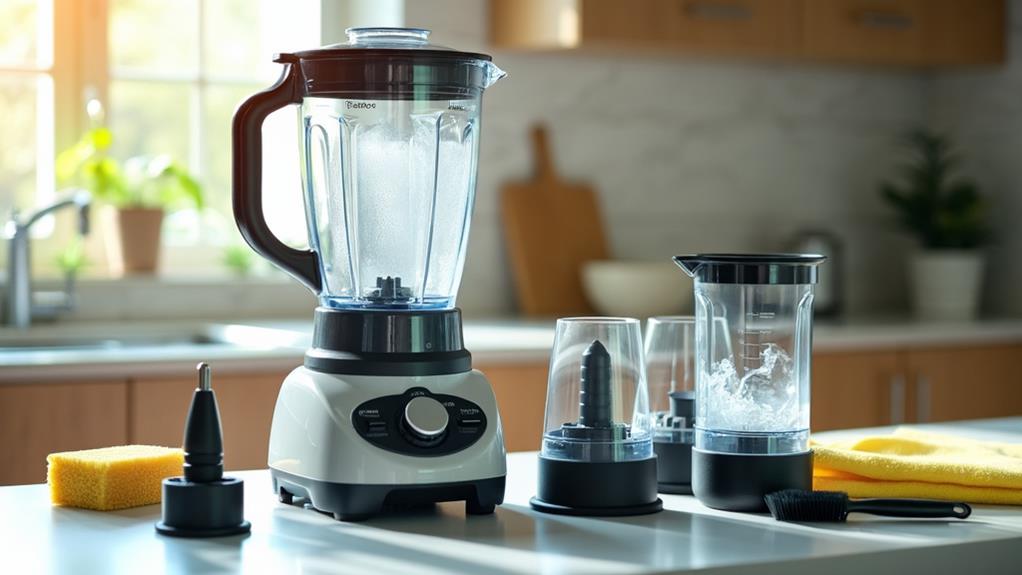
To ensure your blender stands the test of time, start with regular cleaning after each use. Disassemble the components to prevent buildup that can shorten its lifespan. Rinse the jar, blade, and lid thoroughly, ensuring no food particles remain. This simple habit keeps your blender running smoothly and reduces wear on parts.
Next, adhere to maintenance guidelines by conducting monthly checks. Inspect mechanical parts and electrical connections to identify any potential issues early. Look for signs of wear or damage, and address them promptly. For instance, replace damaged seals and gaskets immediately to prevent leaks and maintain optimal performance.
Using manufacturer-recommended lubricants is another essential step. Apply these to the bearings and joints to ensure smooth operation. Proper lubrication minimizes friction and extends the life of essential components. Don't overlook this step, as it is crucial for reducing wear and tear.
Control Types and Settings
When selecting a blender, it is essential to consider the control mechanism and the range of speed settings. Options like push buttons, digital touchpads, and dials each present distinct benefits and drawbacks in terms of usability and maintenance. For optimal performance, choose blenders that provide multiple speed settings, including low-speed, high-speed, and pulse options.
Types of Controls
Selecting the right blender involves more than just choosing a brand or color; understanding the types of controls can significantly enhance your blending experience. Different control mechanisms offer various levels of ease of use and cleaning. Here's a concise guide to help you understand these options:
- Push Button Controls: These are user-friendly and allow for simple speed adjustments. However, they can trap debris in the crevices, making cleaning more challenging.
- Digital Touchpad Controls: Ideal for those who prefer a sleek, modern interface. The flat surface makes them easy to clean, but they may require multiple button presses to reach the desired setting, adding complexity to operation.
- Dial Controls: Provide a tactile and straightforward way to control your blender. They are easier to clean than push buttons but require cycling through all speed settings to find the one you need, which can be time-consuming.
Choosing the right controls for your blender depends on your personal preferences and how you balance ease of use with ease of cleaning. Each type has its advantages and drawbacks, so consider what aligns best with your kitchen habits.
Speed Settings Versatility
Understanding the types of controls is only part of the equation; speed settings versatility is crucial for a blender's functionality. The best blenders usually offer multiple speed settings, enhancing their adaptability for different food types and textures. For instance, models like the Vitamix can feature up to 10 different speed options, making them suitable for various recipes.
At a minimum, you should look for blenders with at least three speed settings: low, high, and pulse. These options allow you to achieve the desired consistency for different ingredients, whether you're crushing ice or pureeing tough vegetables.
Control types also influence how you interact with your blender's speed settings. Push-button systems are common and allow for easy adjustments, while digital touchpads provide a modern interface but can be more complex to use. Dial controls offer straightforward cleaning and let you cycle through speed options easily, although they might lack the precision of digital controls.
The versatility of speed settings directly impacts blending effectiveness, so it's vital to select a blender that aligns with your intended uses. This ensures you get the most out of your appliance, extending its life expectancy.
Container Material
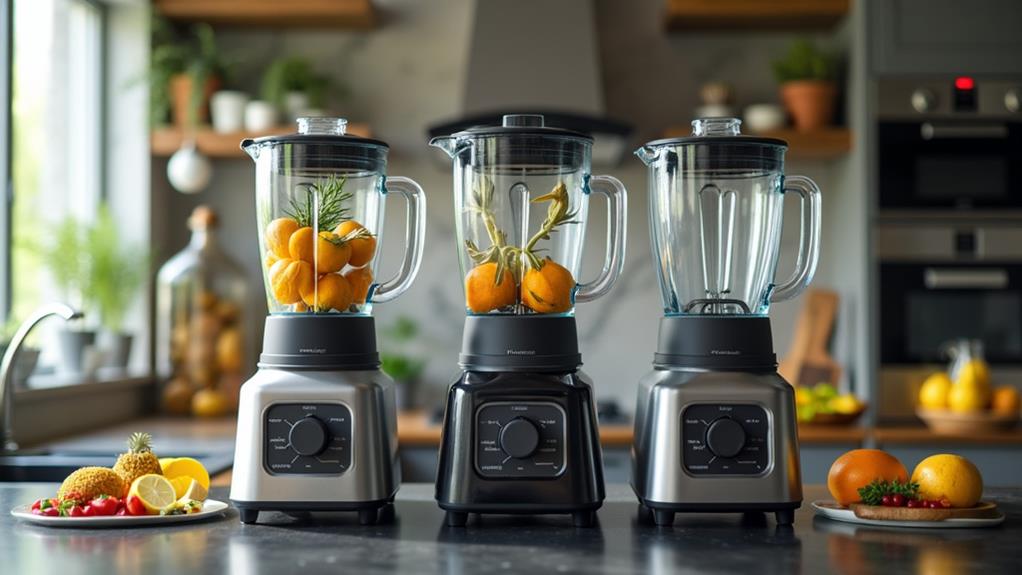
Why does the container material matter so much in a blender's performance and longevity? The container material directly influences the blender's weight, durability, and ease of cleaning. Generally, you'll encounter plastic and glass options.
High-quality plastic containers are lightweight and durable, often with a longer lifespan. However, they can stain and retain odors if not maintained properly. In contrast, glass containers do not absorb odors and are aesthetically pleasing but can crack at high speeds and are heavier.
Key Considerations:
- Weight and Durability: Plastic containers are lighter and easier to handle. Glass containers, though heavier, avoid chemical leaching.
- Maintenance: Regular cleaning is essential to prevent wear and damage, which can shorten the container's lifespan.
- Aesthetics and Safety: Glass containers look more appealing but are less common in powerful blenders due to their fragility.
Choosing the right container material can significantly improve your blender's longevity. With proper care, high-quality plastic containers can outlast lower-quality ones, making them a practical choice for everyday use. Glass containers offer a chemical-free option but require careful handling.
Troubleshooting Common Issues
Blenders can sometimes face common issues that disrupt their performance. If you notice unusual noises or powder leaks, ensure the buckles at the inlets and outlets are tightly secured to prevent spills. This simple check can save you from messy countertops and wasted ingredients.
If your blender fails to start, adjusting the revolving speed might resolve the issue. A quick tweak can often help your blender run smoothly.
Abnormal vibrations are another common problem and often indicate uneven foot pads. To stabilize your blender, reposition and tighten the set screws. This adjustment can prevent excessive shaking during use.
Regularly inspect the condition of seals and gaskets. Worn-out seals can lead to leaks, compromising the efficiency of your blender. Replacing these components as needed ensures your blender operates effectively.
Lastly, always check for secure protective covers before starting the machine. This precaution not only prevents accidents but also helps avoid mechanical failures. Addressing these common issues promptly can extend the life of your blender and maintain its peak performance.
Safety Concerns
Safety should always be a priority when using your blender. Several safety concerns need attention to ensure your appliance operates smoothly and safely.
Damaged Cords: Frayed or worn-out cords can lead to electrical hazards, such as shocks or even fires. Regularly inspect the cord and replace it immediately if you notice any damage. Using a blender with damaged cords increases the risk of electrical shock, emphasizing the importance of frequent inspections.
Overheating: Running your blender for extended periods can cause the motor to overheat, potentially damaging the appliance and posing safety risks. Ensure you give your blender breaks during long blending sessions.
Sharp Blades: Mishandling blades during cleaning or assembly can lead to cuts or injuries. Always handle blades with care and follow the manufacturer's safety guidelines.
Quick Tips to Keep Your Blender Safe:
- Inspect the cord regularly: Look for any signs of wear and replace if needed.
- Avoid prolonged use: Give the motor breaks to prevent overheating.
- Handle blades carefully: Follow safety guidelines during cleaning and assembly.
Regular maintenance, including checking for wear and tear, can prevent accidents and extend your blender's lifespan.
Shopping Considerations
When purchasing a blender, it's essential to evaluate the condition and performance of your current model. Upgrading from a failing blender can significantly enhance your kitchen's efficiency and functionality. Researching new models is a primary consideration. Look for features that match your culinary needs, such as power and speed settings, which directly impact blending results.
Budget is a crucial factor. Blender prices range from approximately $30 for basic personal models to over $500 for high-end options. Verify prices by checking multiple sources to ensure accuracy. Comparing warranties and service options is also important. Some manufacturers offer extended coverage, providing peace of mind and protecting your investment.
Understanding your intended use for the blender is fundamental. Whether you need it for smoothies, soups, or heavy-duty tasks, knowing your requirements will guide you to the right model. For instance, a high-powered blender is necessary for crushing ice or making nut butters, whereas a basic model may suffice for simple smoothies. Considering these factors ensures your new blender meets your specific needs and lasts for years.