What Is the History of the ICEE Company?
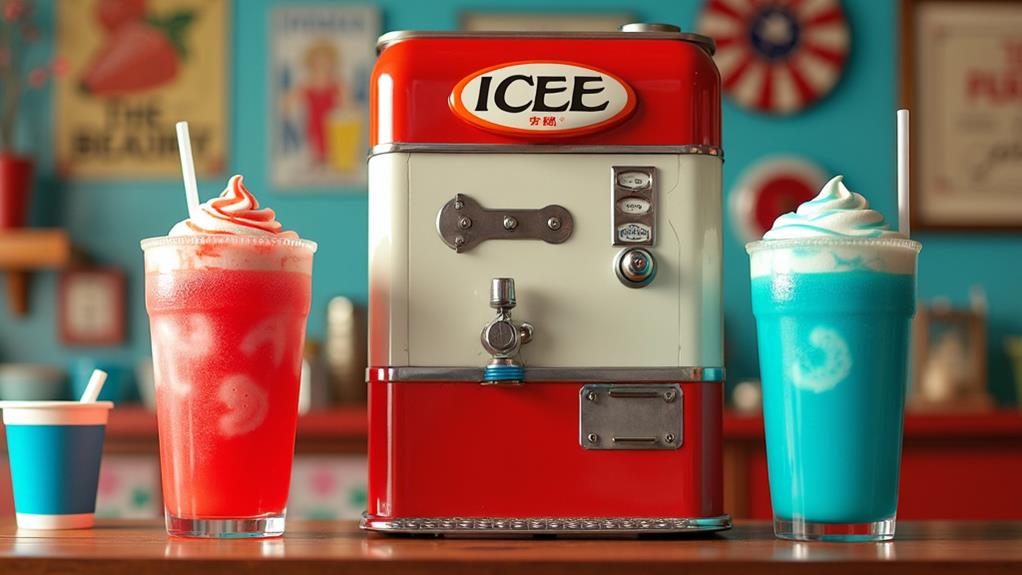
The ICEE Company has an intriguing history that began quite by accident in 1958. Omar Knedlik, dealing with a malfunctioning soda machine, stumbled upon the idea of a frozen beverage. By 1960, he had patented the ICEE machine, laying the foundation for a product that would soon capture the public's imagination. In 1965, a crucial partnership with 7-Eleven rebranded the ICEE as the "Slurpee," significantly boosting its popularity. This partnership played a vital role in cementing ICEE's cultural impact. Let's delve deeper into the subsequent developments and how ICEE became a beloved brand.
Origin of ICEE
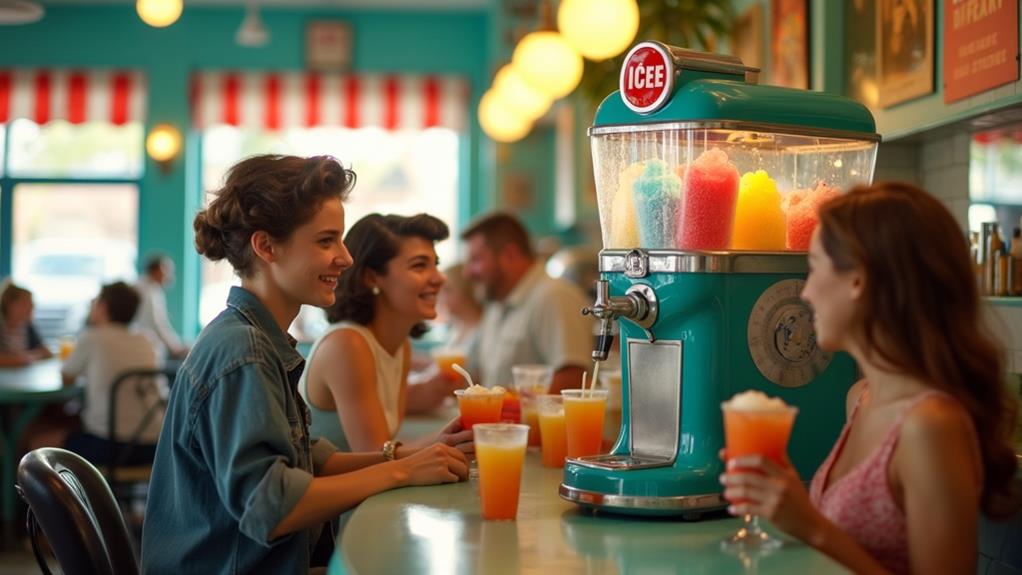
In 1958, the ICEE's journey began when Omar Knedlik, a Dairy Queen owner in Coffeyville, Kansas, accidentally created a frozen beverage using super-cooled sodas that turned into a slush-like consistency upon opening. This serendipitous discovery occurred due to a malfunctioning soda machine that froze the drinks, resulting in a distinctive, enjoyable texture. Recognizing the potential, Knedlik set out to develop a specialized machine to reliably produce these frozen carbonated drinks.
After five years of dedication and innovation, Knedlik received a patent for the ICEE machine in 1960. This milestone marked a significant advancement in the frozen beverage market, setting the stage for the ICEE's future success. The name "ICEE" was suggested by a local artist who also designed the logo featuring snow and icicles, perfectly capturing the product's frosty nature.
The patent was essential as it protected Knedlik's invention and ensured the ICEE could be singularly marketed. This innovation didn't go unnoticed. In 1965, 7-Eleven licensed the machine, rebranding the frozen beverage as the Slurpee, which helped cement the ICEE's place in American culture.
Early Innovations
Omar Knedlik's ingenuity didn't stop at the initial creation of the ICEE; he continued to refine and innovate. In 1958, while running a Dairy Queen, Knedlik stumbled upon the idea of freezing sodas due to a malfunctioning soda machine. This accidental innovation led to the creation of a slushy beverage that quickly gained popularity. Recognizing its potential, Knedlik didn't rest on his laurels.
By 1960, he developed the first ICEE machine using a car air conditioning unit. This breakthrough allowed for the mass production of frozen carbonated beverages, transforming how people enjoyed their fizzy drinks. Initially, the name "Scoldasice" was considered, but a marketing collaboration with a local artist rebranded the drink to ICEE, making it more appealing.
Knedlik's vision extended beyond invention; he implemented a franchise model to distribute the ICEE machines, leading to the installation of 300 machines by the mid-1960s. These early innovations laid a solid foundation for the brand, ensuring that the ICEE machine became a staple in numerous establishments. Thanks to Knedlik's relentless drive, the frozen carbonated beverage you love today became a reality.
7-Eleven Partnership
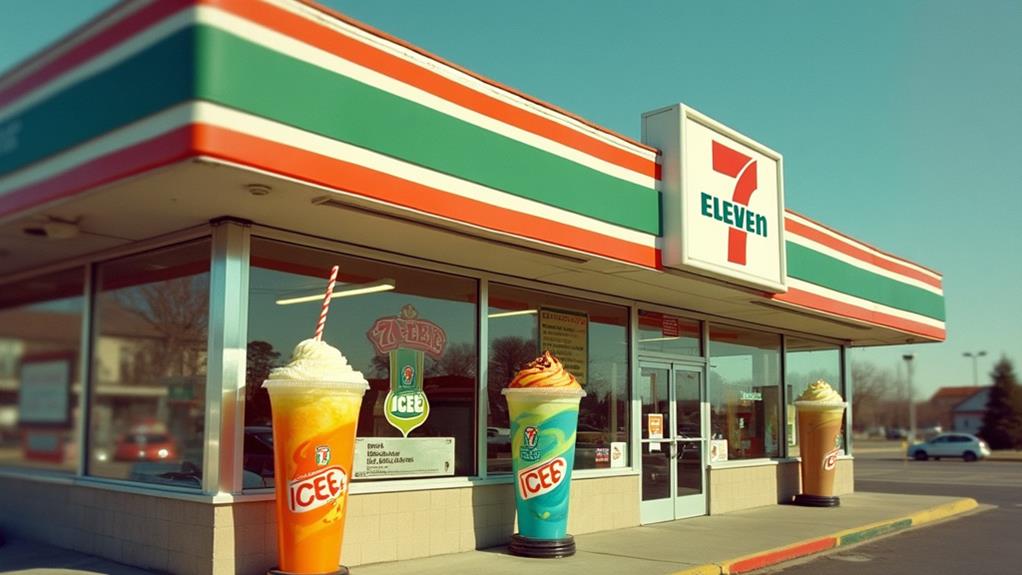
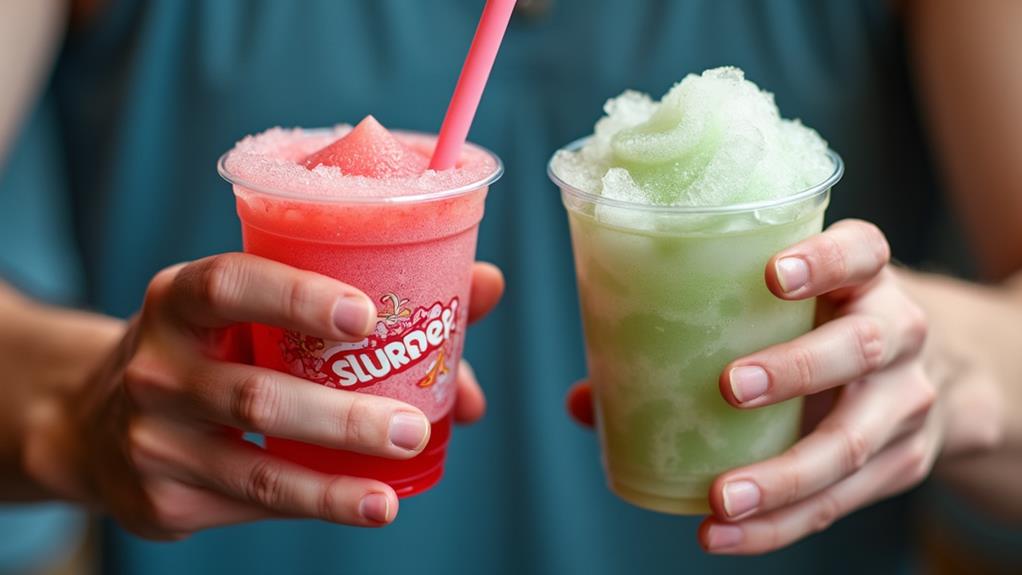
In 1965, the beverage industry witnessed a significant shift when 7-Eleven licensed Omar Knedlik's ICEE machine, significantly boosting its popularity. This partnership resulted in the rebranding of ICEE drinks as "Slurpees," which quickly captured the youth market with their vibrant, psychedelic packaging. Beyond rebranding, 7-Eleven's dynamic marketing efforts transformed Slurpees into a cultural phenomenon.
Licensing Knedlik's Freezer Machine
In 1965, the ICEE Company reached a pivotal moment when 7-Eleven licensed Omar Knedlik's innovative freezer machine. This strategic decision allowed the ICEE brand to tap into 7-Eleven's extensive retail network, significantly broadening its consumer reach. By integrating Knedlik's groundbreaking freezer technology, 7-Eleven introduced the ICEE to a mainstream audience.
Picture walking into a 7-Eleven in the mid-60s and discovering a refreshing, new frozen beverage. Due to this licensing agreement, ICEE machines were installed in thousands of 7-Eleven stores across the United States, significantly boosting sales and brand visibility. The partnership also led to the ICEE being rebranded as the "Slurpee," giving it a distinctive identity that resonated with consumers.
The success of this collaboration highlighted the power of strategic alliances and innovative technology. By licensing Knedlik's freezer machine, ICEE and 7-Eleven made a lasting impact on the frozen beverage market. This was not merely about a machine; it was about transforming a simple idea into a nationwide phenomenon.
Colorful Psychedelic Packaging
In the late 1960s, the ICEE Company introduced vibrant, psychedelic packaging for its Slurpee drinks, aiming to engage a dynamic youth culture eager for novelty. This colorful design not only enhanced the visual appeal of the frozen beverages but also established Slurpees as a cultural icon within 7-Eleven convenience stores.
After 7-Eleven licensed Omar Knedlik's ICEE machine in 1965, they rebranded the product as "Slurpee," featuring eye-catching psychedelic designs. This lively packaging was a key element of a broader marketing strategy that included catchy slogans and engaging promotional events. For instance, the "Dance the Slurp" campaign launched in 1970 added an interactive element that connected with young consumers.
This collaboration facilitated rapid expansion for ICEE. The initial production of around 300 machines was just the start. Partnering with 7-Eleven not only boosted brand visibility but also made ICEE and Slush Puppie household names in frozen beverages. Over the years, this successful joint marketing effort cemented their place in pop culture.
Expansion in the 1970s
In the 1970s, the ICEE Company experienced significant expansion due to its strategic partnership with 7-Eleven, which marketed the product as Slurpees. Creative marketing campaigns, including "Dance the Slurp," resonated with youth culture and boosted sales. Consequently, millions of Slurpees were sold annually, establishing ICEE as a leader in the frozen beverage market.
7-Eleven Partnership Initiated
In 1965, 7-Eleven licensed the ICEE machine, initiating a transformative phase that brought the brand into the spotlight. This partnership marked a pivotal moment for ICEE, as it quickly became a staple in 7-Eleven stores. The marketing campaign targeted youth culture, utilizing lively and psychedelic packaging that resonated with the era's trends.
By 1970, the rebranded Slurpee had become a cultural phenomenon. 7-Eleven's clever campaigns, such as "Dance the Slurp," amplified the drink's visibility and appeal. These campaigns went beyond catchy slogans, extending to promotional vinyl records distributed alongside Slurpees. These records, now collectibles fetching up to $50 on eBay, added excitement and exclusivity to the experience.
The partnership with 7-Eleven wasn't just about increasing sales; it established a robust brand identity for ICEE. Slurpees became synonymous with convenience store culture, creating a lasting association that endures today. This collaboration propelled ICEE into mainstream popularity and cemented its place in the hearts of the youth, making it an iconic part of American culture.
Marketing Strategies Employed
ICEE's partnership with 7-Eleven in the 1970s was more than just a business decision; it marked the beginning of a marketing revolution. The Icee Company leveraged this alliance by introducing vibrant, psychedelic packaging that aligned with the youth culture of the era. These strategic marketing efforts not only enhanced brand appeal but also transformed ICEE into a sought-after treat among young consumers.
One of the standout marketing initiatives was the "Dance the Slurp" campaign in 1970. This inventive campaign engaged customers by encouraging them to dance along to a catchy jingle. To amplify the campaign's impact, ICEE distributed vinyl records at 7-Eleven stores, further embedding the brand in popular culture. This approach not only promoted the product but also forged a unique cultural connection with consumers.
The playful and colorful branding during this period solidified ICEE's status as an iconic American frozen beverage. Through strategic visual appeal and interactive promotions, the Icee Company ensured their product stood out in a competitive market. By effectively tapping into youth culture, ICEE secured its place as a beloved brand, showcasing the power of innovative marketing strategies.
Increased Sales Orders
The 1970s saw a significant surge in sales orders for the ICEE Company, driven by the growing popularity of frozen carbonated beverages. This decade marked a crucial growth phase where ICEE's vibrant, psychedelic packaging and strategic marketing, particularly their partnership with 7-Eleven, resonated with youth culture. The appealing design and branding greatly increased demand for ICEE products.
By 1970, ICEE had expanded its production capacity to meet the overwhelming interest from both retailers and consumers. This strategic expansion allowed the company to keep up with the escalating sales orders and further solidify its market position. The introduction of the Slurpee brand under 7-Eleven didn't just complement ICEE's existing offerings; it catapulted the brand into a household name across the United States.
With its unique frozen beverages, ICEE successfully penetrated various markets throughout the decade. The synergy between ICEE and 7-Eleven played a pivotal role in driving increased sales and brand recognition. As a result, the 1970s were a transformative period for the ICEE Company, establishing it as a leader in the frozen carbonated beverage industry.
Acquisition by J&J Snack Foods

In 1987, J & J Snack Foods strategically acquired The Icee Company, significantly enhancing its operational capabilities and market reach. This acquisition leveraged Icee's brand recognition and established distribution networks in the frozen beverage sector, allowing J & J Snack Foods to substantially increase its market presence and become a dominant player in the industry.
The acquisition brought several immediate benefits:
- Expanded Market Reach: J & J Snack Foods utilized Icee's extensive distribution channels.
- Brand Synergy: The well-known Icee brand complemented J & J Snack Foods' existing product lines.
- Operational Efficiency: The relocation of The Icee Company's headquarters to La Vergne, Tennessee, in 2019 streamlined operations.
- Innovation Drive: Continued development of new flavors and products under J & J Snack Foods' ownership.
Under J & J Snack Foods, The Icee Company not only maintained but also enhanced its market position. The annual distribution of over 500 million frozen beverages globally underlined Icee's leadership in the frozen beverage industry and demonstrated J & J Snack Foods' commitment to innovation and growth.
Product Range
The ICEE Company offers a diverse selection of frozen beverages, supported by over 75,000 machines across the U.S. that serve more than 300 million servings annually. Alongside their classic flavors, they have expanded their product line to include Italian ice and semi-frozen drinks. The brand has also established key partnerships, such as their collaboration with Moose Toys for Slush Puppie-themed Shopkins.
Beverage Varieties Offered
Over the years, ICEE has delighted consumers with a diverse and ever-expanding range of beverage varieties. While their classic flavors like Cherry, Cola, and Blue Raspberry remain popular, ICEE consistently introduces seasonal and limited-edition varieties to keep things exciting. Whether you're at a convenience store, a fast-food chain, or a movie theater, there's always a refreshing ICEE beverage available.
- Classic flavors like Cherry, Cola, and Blue Raspberry
- Seasonal and limited-edition varieties
- Italian ice and semi-frozen drinks
- Over 300 million servings annually in the U.S.
ICEE's product lineup has expanded to include Italian ice and semi-frozen drinks, catering to a broad audience. They continually innovate with new flavor combinations, ensuring there's always something new to try. With over 300 million servings consumed annually in the U.S., ICEE has firmly established its place in the hearts of many.
Whether you're craving a traditional frozen treat or eager to try something new, ICEE has you covered. Their commitment to variety and innovation ensures you'll never get bored with their offerings.
Licensing and Partnerships
ICEE's commitment to variety and innovation extends beyond their beverage offerings to strategic licensing and partnerships, significantly broadening their product range. The ICEE Company has installed over 75,000 machines in the U.S., dispensing more than 300 million servings annually. Partnerships with major retailers like McDonald's, Subway, and Burger King ensure the widespread availability of their diverse flavors.
In 2019, ICEE's international growth strategy made a significant leap with a partnership with Vimto and Cineworld, facilitating their expansion into the UK market. This move underscores their dedication to reaching new audiences and offering their popular products globally. Additionally, ICEE products are well-received in Mexico, available in department stores and convenience stores, further demonstrating their international presence.
ICEE also explores creative collaborations beyond beverages. Their partnership with Moose Toys to create Slush Puppie-themed Shopkins toys exemplifies this approach. This collaboration not only expands their product portfolio but also appeals to a younger demographic.
Licensing and Collaborations
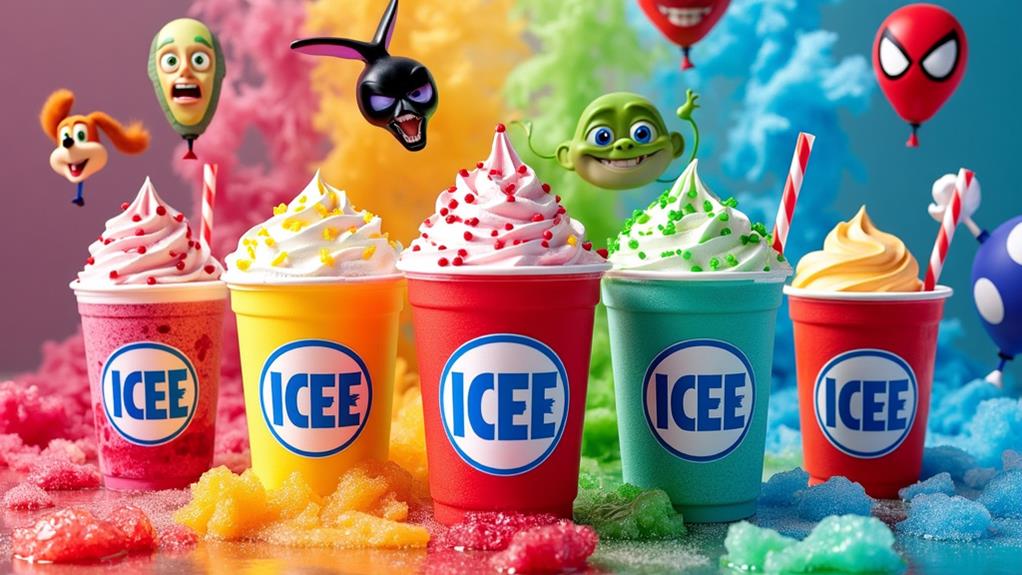
The Icee Company has become a global household name through strategic licensing agreements and collaborations. These partnerships have significantly boosted brand visibility, fostering international expansion and a diverse product lineup.
Key milestones in Icee's success include:
- 1965: A pivotal deal with 7-Eleven rebranded Icee products as Slurpees, significantly increasing their popularity.
- 2020: Collaboration with Moose Toys introduced Slush Puppie-themed Shopkins, broadening their appeal to children.
- 2019: Partnerships with Vimto and Cineworld facilitated Icee's entry into the UK market.
- Product Diversity: Icee's offerings now include semi-frozen drinks and Italian ice, available in major chains like McDonald's, Subway, and Burger King.
These strategic licensing agreements and collaborations have not only amplified Icee's brand visibility but also ensured its products appeal to a wide audience, cementing its presence in both domestic and international markets.
Market Presence
Building on its successful licensing agreements and collaborations, The Icee Company has established a strong market presence both domestically and internationally. In the U.S., over 75,000 Icee machines serve more than 300 million drinks annually, making Icee products a staple in American culture. These refreshing slushies can be found at major fast-food chains like McDonald's, Subway, and Burger King, as well as in convenience stores such as Wawa and Quick Chek.
The company's market reach extends beyond American borders. In 2019, The Icee Company expanded its international footprint by partnering with Vimto and the Cineworld cinema chain in the UK, introducing their unique flavors to a new audience. Additionally, Icee products are available in Central America, China, Australia, and numerous other global markets.
What differentiates Icee is its unique flavor offerings and iconic slushy texture, which have captured the hearts of millions. This distinctive combination has fueled the brand's popularity both domestically and internationally. By continually innovating and expanding, The Icee Company ensures it remains a beloved choice for people worldwide.
Franchise Model

The Icee Company's franchise model has played a pivotal role in its rapid expansion and market penetration. By implementing a two-tiered franchise system, ICEE allowed developers and subdevelopers to acquire exclusive distribution rights for ICEE dispensers in designated territories. This innovative approach was transformative, leading to the installation of about 300 ICEE machines by the mid-1960s and establishing a solid market presence early on.
- Exclusive distribution rights: Developers and subdevelopers could secure specific territories, ensuring market dominance.
- Rapid expansion: By the mid-1960s, approximately 300 ICEE machines were already operational.
- Widespread installation: Currently, over 75,000 ICEE machines dispense more than 300 million servings annually in the U.S.
- Ongoing innovation: Continuous improvements in equipment and product offerings keep the franchise model attractive.
The success of this franchise model allowed ICEE to expand into numerous retail and food service locations nationwide. The ability to offer exclusive distribution rights made it an attractive option for prospective franchisees, driving further market penetration. Continuous innovation in ICEE machines and product offerings has maintained its appeal, ensuring sustained interest and growth in the franchise.
Cultural Impact
ICEE's cultural impact is undeniable, as its frozen beverages have become synonymous with summer fun and leisure activities. When you sip on an ICEE, you're not just enjoying a drink; you're partaking in an American tradition that has spanned generations. With unique flavor combinations and that unmistakable slushy texture, ICEE has cemented its place in summertime rituals.
Over 500 million servings sold annually speak to its popularity. But it's more than just numbers—ICEE has woven itself into the fabric of pop culture. From brain freeze jokes to features in movies and TV shows, this frozen beverage has become a nostalgic symbol of carefree days. Seeing that playful marketing and those lively colors might even make you reminisce about childhood summers.
Cultural references to ICEE stretch far and wide, making it much more than a drink. It's a portal back to simpler times, encouraging you to reconnect with your inner child. Whether you're grabbing an ICEE at a theme park or a convenience store, you're engaging with a beloved tradition that transcends generations, proving that some pleasures are timeless.