What Gives Icees Their Texture?
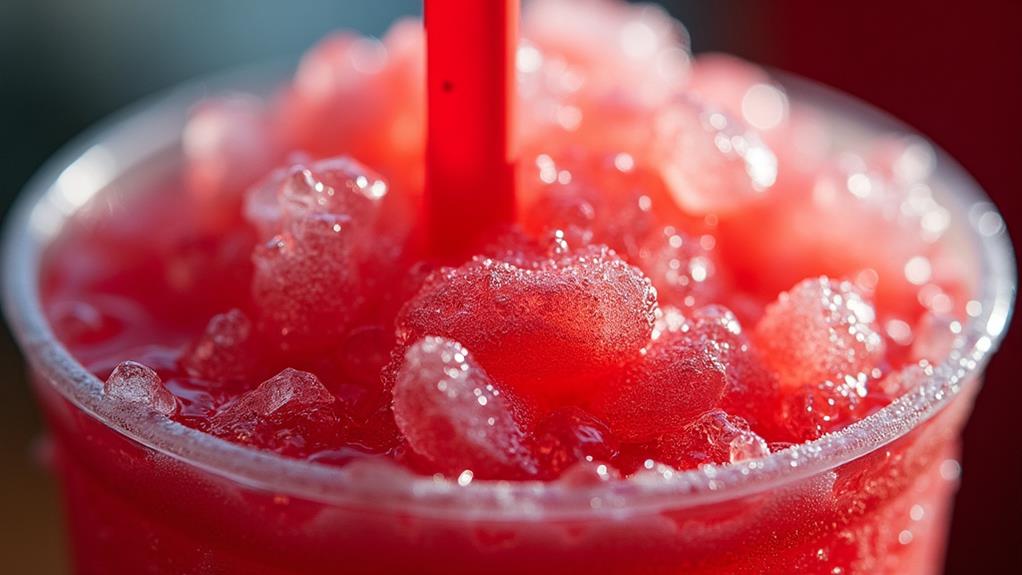
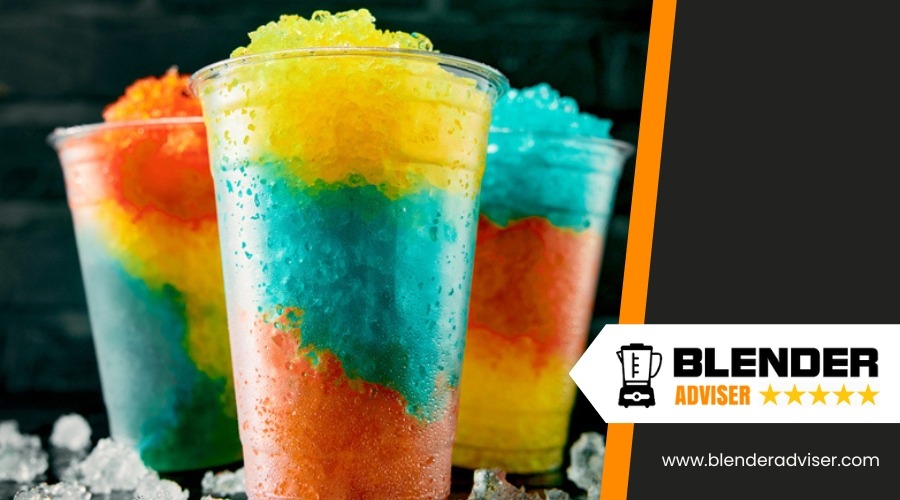
When you sip an ICEE, you might wonder what gives it that unique, smooth texture. It's more than just freezing a flavored liquid; it involves precise temperature control, carbonation, and sugar content. The supercooled liquid state and continuous churning prevent large ice crystals from forming, while carbonation adds a delightful fizz. Sugar lowers the freezing point, creating the perfect slushy consistency. Curious about how these elements come together in the production process? Let's explore the secrets behind your favorite frozen treat.
History of the Slushie
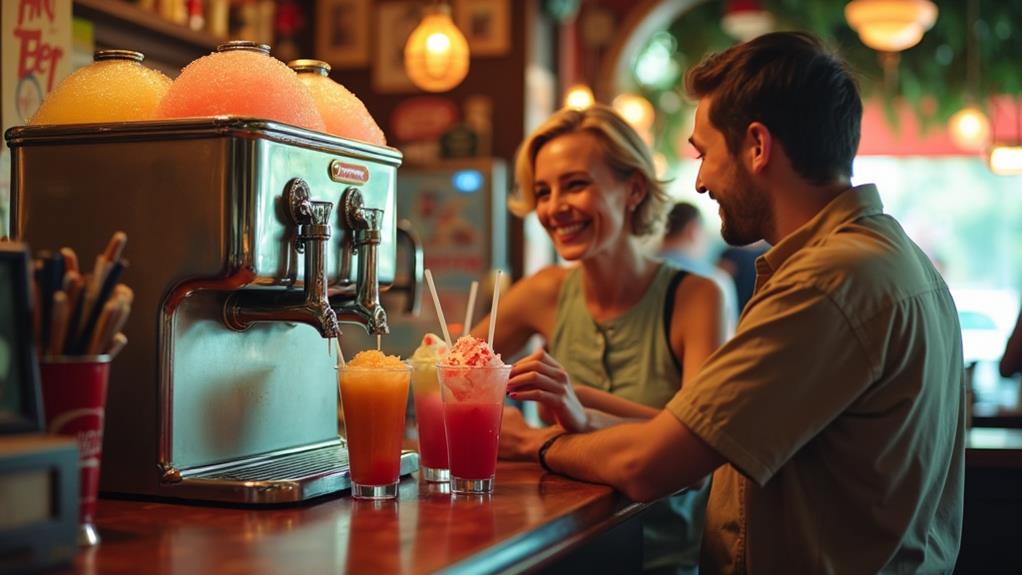
In the 1950s, Dairy Queen owner Omar Knedlik accidentally invented the slushie when a broken soda fountain led him to chill sodas in a freezer. This happy accident resulted in a unique frozen beverage that delighted his customers. The combination of soda and ice produced a frothy, refreshing treat that quickly gained popularity. Knedlik's innovation was simple but ingenious, laying the groundwork for future advancements in slushie technology.
As demand for the icy beverage grew, Knedlik used an old Taylor ice cream maker to improve the process. This refinement produced a smoother frozen drink, enhancing its texture and appeal. The improved consistency made the slushie an even bigger hit, and it wasn't long before others noticed its potential.
In 1965, 7-Eleven recognized the commercial appeal of Knedlik's creation and acquired ICEE® machines, rebranding the product as Slurpee. This strategic move significantly boosted the slushie's popularity, cementing its status as a staple in convenience stores. Over time, the success of slushies has led to a diverse range of brands and flavors, making them an enduring cultural icon, especially during hot summer months.
Chemistry Behind Slushies
Understanding the science behind slushies enhances your appreciation of this frosty treat. The unique texture of an ICEE comes from a precise blend of temperature, carbonation, and sweetness, creating a semi-frozen foam.
The supercooled liquid state of an ICEE is key. Despite being colder than its freezing point, it remains liquid, maintaining its slushy consistency. Continuous churning during production prevents it from solidifying, allowing tiny ice crystals to form, which are crucial for the smooth texture.
The Joule-Thomson effect occurs when the drink is dispensed, promoting ice crystal formation and contributing to the characteristic mouthfeel. The syrupy sugars in ICEEs lower the freezing point, preventing large ice crystals and ensuring smoothness.
In essence, the delightful texture of an ICEE is due to precise chemical interactions. Each sip reflects the intricate balance of elements working together to create that perfect slushy experience.
Production Process
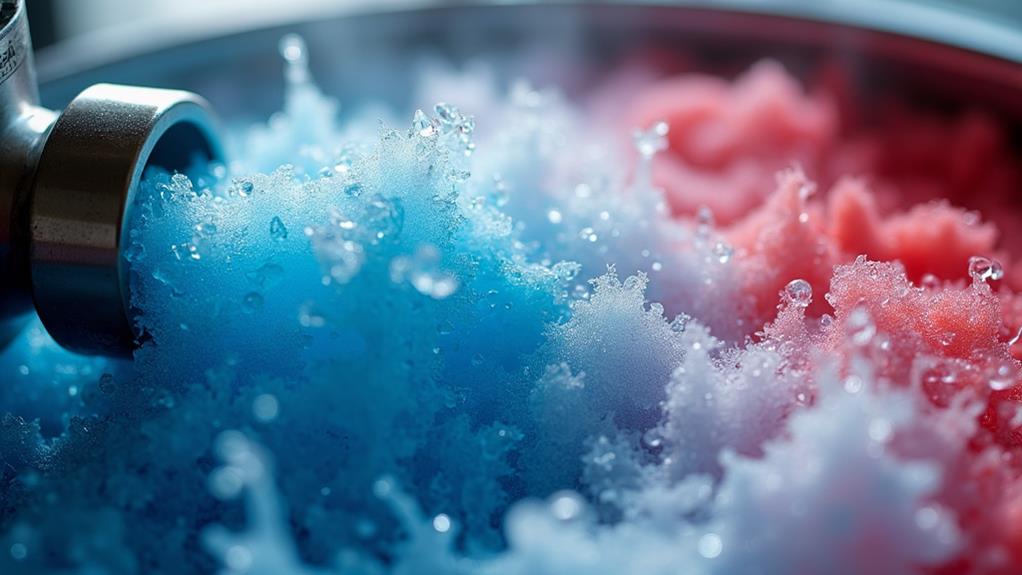
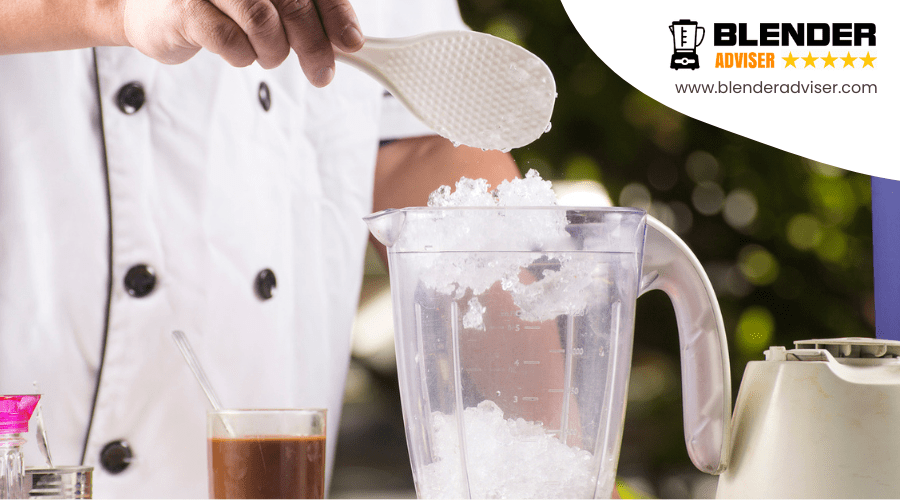
To understand the ICEE's unique texture, you'll start with its production process. It begins by mixing flavor concentrate with water and carbon dioxide gas. This mixture is then frozen under pressure, ensuring the drink maintains its consistent, slushy texture throughout.
Flavor Concentrate Mixing
Achieving the iconic ICEE texture starts with mixing flavor concentrate, water, and carbon dioxide gas. This step is crucial as it lays the foundation for the smooth, airy consistency that defines an ICEE. The flavor concentrate is meticulously blended to ensure each sip bursts with balanced flavor. After mixing, the blend undergoes freezing. Continuous movement in the machine scrapes ice from the container sides, preventing large ice crystals and ensuring a smooth texture.
Maintaining the right temperature and syrup concentration is essential. Adjustments are made based on regional preferences and specific flavor types. With over 150 unique flavors, each is crafted to preserve ideal texture and consistency during freezing. This precise balance gives ICEE its signature light and airy mouthfeel, making it a favorite treat.
Freezing Under Pressure
Once the flavor concentrate, water, and CO2 are perfectly mixed, the blend enters the critical phase of freezing under pressure. This step transforms the liquid mixture into the rich, slushy texture characteristic of an ICEE. As the blend freezes, continuous movement scrapes ice from the container's sides, preventing it from solidifying into a block. This method ensures the frozen drink maintains its semi-frozen foam consistency, which is fundamental to the smooth mouthfeel you enjoy.
Freezing under pressure also allows for precise control of ice crystal formation, creating the tiny ice particles that give ICEEs their signature texture—neither fully solid nor entirely liquid. When you dispense the drink, this semi-frozen foam flows out, delivering that rich, invigorating experience.
To maintain texture consistency, the machine undergoes a defrost cycle lasting 15-20 minutes. While this might temporarily affect the availability of certain flavors, it is essential for preserving the quality and texture of the frozen drink. With over 150 flavors developed, this meticulous process ensures each one delivers the perfect ICEE experience every time.
Role of Sugar
The Role of Sugar in ICEEs
Sugar plays a crucial role in achieving the smooth texture of ICEEs. By lowering the freezing point of the mixture, sugar prevents the formation of large ice crystals, resulting in the silky consistency that defines the beverage. Additionally, the syrupy sugars contribute to the drink's viscosity, enhancing its mouthfeel. Beyond texture, sugar also enhances flavor, making each sip more enjoyable and refreshing.
Key reasons sugar is essential in ICEEs:
- Freezing Point: Sugar lowers the freezing point, preventing large ice crystals and ensuring a smoother texture.
- Viscosity: The syrupy nature of sugar adds thickness to the drink, improving its mouthfeel.
- Flavor Enhancement: Sugar amplifies the flavors, making each sip delightful.
Achieving the right sugar concentration is critical. Excessive sugar can make the slushy overly sweet and interfere with proper freezing. Conversely, insufficient sugar can lead to an icy, unpleasant texture. While research into sugar-free alternatives is ongoing, none have yet matched the texture and flavor of traditional sugar in ICEEs.
Carbonation's Impact
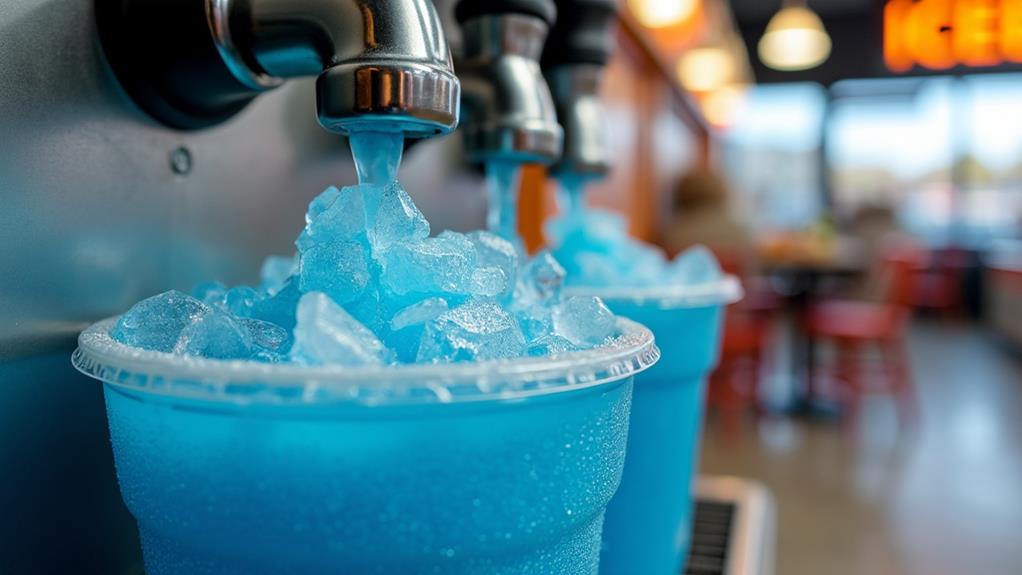
While sugar is essential for achieving the perfect texture in ICEEs, carbonation also plays a crucial role. By mixing flavor syrup with water and CO2 gas, you create a carbonated beverage that is key to the unique texture of an ICEE. The carbon dioxide doesn't just add fizz; it helps form a supercooled liquid that remains slushy instead of freezing solid, giving you that smooth, enjoyable mouthfeel that sets ICEEs apart from other frozen treats.
As the carbonated mixture churns, it prevents large ice crystals from forming, ensuring a finer, more pleasant texture. This continuous motion, combined with carbonation, leads to the creation of semi-frozen foam as the ICEE is dispensed. The result is a fluffy, light appearance that's as visually appealing as it is tasty.
Moreover, carbonation enhances the sensory experience by providing a slight fizz that complements the drink's flavor profile. It's not just about taste; the texture and sensation contribute to the complete enjoyment of your ICEE. So next time you sip on this delightful treat, remember that carbonation is a key player in giving ICEEs their signature texture.
Machine Technology
The machine technology behind ICEEs ensures their unique texture. These machines continuously churn the mixture to prevent large ice crystals from forming. Precise pressure and temperature controls keep the beverage supercooled but not frozen solid. This process ensures that your ICEE maintains a smooth, fluffy consistency with every sip.
Churn and Freeze Mechanism
Ever wondered how ICEEs achieve their signature slushy texture? The secret lies in the specialized churn and freeze mechanism of the ICEE machine. This mechanism continuously scrapes ice from the sides of the container, ensuring a smooth texture and preventing solidification. Here's how it works:
- Churn and Freeze Mechanism: The machine's blades constantly churn the mixture, keeping the ice crystals small and uniform.
- Supercooled Liquid: The mixture is chilled below the freezing point of water, maintaining a supercooled liquid state that preserves its slushy consistency.
- Carbonation: The inclusion of carbon dioxide enhances the flavor and contributes to a unique mouthfeel, setting ICEEs apart from other non-carbonated frozen beverages.
The combination of these elements ensures that every sip of your ICEE is as delightful as the last. The continuous movement and precise freezing process prevent the mixture from becoming too icy or too liquid. This balance is crucial for maintaining the consistent, high-quality texture that ICEE lovers expect. So, the next time you enjoy an ICEE, you'll appreciate the intricate dance of churning and freezing that creates every refreshing slurp.
Pressure and Temperature Control
Achieving the ideal ICEE texture relies on meticulous control of both pressure and temperature within the machine. The ICEE machine is an engineering feat, mixing flavor syrup with water and carbon dioxide under specific pressure conditions. This precise balance prevents the mixture from freezing solid, keeping it in a supercooled liquid state.
Temperature regulation is equally crucial. The machine maintains the mixture at a temperature cold enough to form ice crystals but not so cold that it becomes a solid block. Continuous agitation inside the machine scrapes ice from the sides, ensuring that the dispensed ICEE has the characteristic fluffy, semi-frozen texture.
Both pressure and temperature management are critical to the drink's texture. If the pressure is too low or the temperature isn't sufficiently cold, the result may be a slushy, overly icy consistency—deviating from the iconic ICEE experience. The machine also features a defrost cycle, lasting 15-20 minutes, during which it temporarily halts the serving of certain flavors to preserve their quality.
Flavor Variability
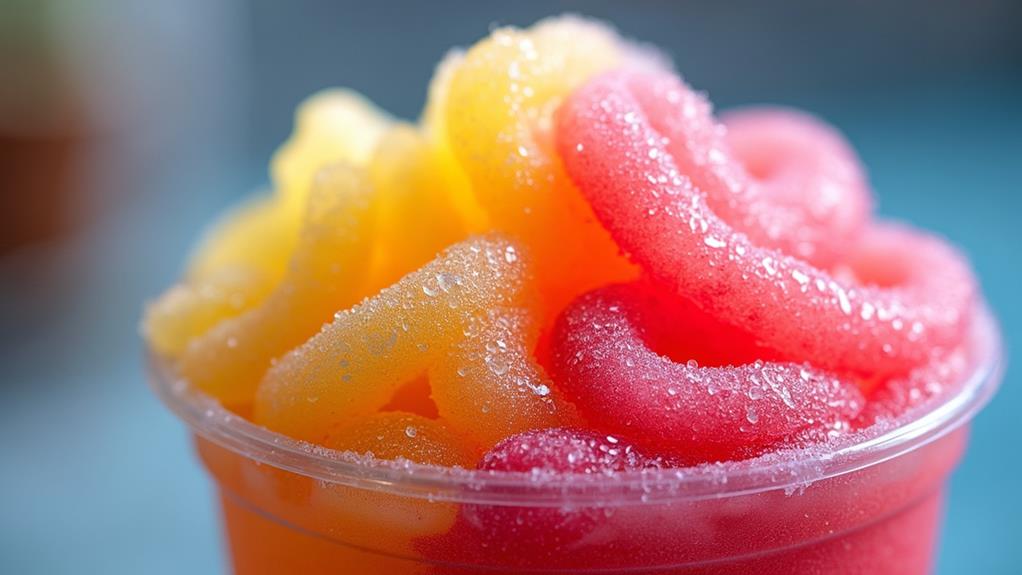
Flavor variability is a hallmark of the ICEE experience, catering to diverse consumer tastes and preferences. Not every store offers the same flavors, which can significantly influence your experience and satisfaction. While the ICEE machine frequently dispenses popular flavors like Cherry and Blue Raspberry, the selection of other flavors can vary based on customer requests and retailer decisions.
ICEE strives to balance popular and unique flavors, prioritizing consumer preferences. This means you can expect both classic favorites and exciting new options. Seasonal or limited-time flavors add an extra layer of excitement, making each visit to the ICEE machine a potential adventure. Factors influencing flavor availability include:
- Retailer choices: Stores stock flavors based on local demand.
- Customer requests: Your input can directly influence which flavors are available.
- Seasonal offerings: Limited-time flavors keep the selection fresh and interesting.
Flavor variability ensures there's always something new to try, keeping the ICEE experience dynamic and engaging. So, the next time you're at the ICEE machine, remember that your preferences matter!
Dietary Information
When considering ICEE products, it's essential to know they cater to various dietary needs. As a frozen beverage, ICEEs are both delicious and accommodating for many with dietary restrictions. They are gluten-free, making them suitable for individuals with gluten sensitivity or intolerance. Additionally, ICEEs are free from peanuts and oils, making them safe for those with specific allergies.
The caloric content of ICEE flavors varies but is generally lower compared to other frozen treats, making them a sensible choice for those monitoring their calorie intake. Moreover, every ICEE flavor is Kosher-certified, which is beneficial for those following a Kosher diet.
Most ICEE flavors are caffeine-free, offering a safe and enjoyable option for those looking to limit or avoid caffeine. However, it is important to note that there are currently no sugar-free ICEE options. Sugar is essential for both the taste and the freezing process of this frozen beverage, making it a key ingredient in every flavor.
Cultural Significance

ICEE products have become an iconic symbol of summertime fun and refreshment, particularly in the United States. Many will recall those sweltering days when they eagerly rushed into a convenience store to grab a cup of that icy, colorful treat. The cultural significance of ICEEs and their rebranded counterpart, the Slurpee, is deeply ingrained in our collective memories and often associated with:
- Childhood visits to the movies or convenience stores.
- Festive events and warm summer days.
- 7-Eleven's "Free Slurpee Day" on July 11th, which attracts crowds eager for a nostalgic treat.
7-Eleven has been instrumental in popularizing the Slurpee, essentially a rebranded ICEE. This association is so robust that July 11th is celebrated as "Free Slurpee Day," highlighting the drink's cultural impact and consumer enthusiasm. The nostalgia connected to ICEEs frequently stems from those childhood moments of enjoying them at the movies or a favorite convenience store. Beyond the United States, ICEE's influence has extended to countries like Canada and Mexico, demonstrating its adaptability and cultural appeal across various markets. The array of flavors and global reach underscore the significance of ICEEs in the realm of frozen beverages.