What Are the Different Types of Blender Motors?

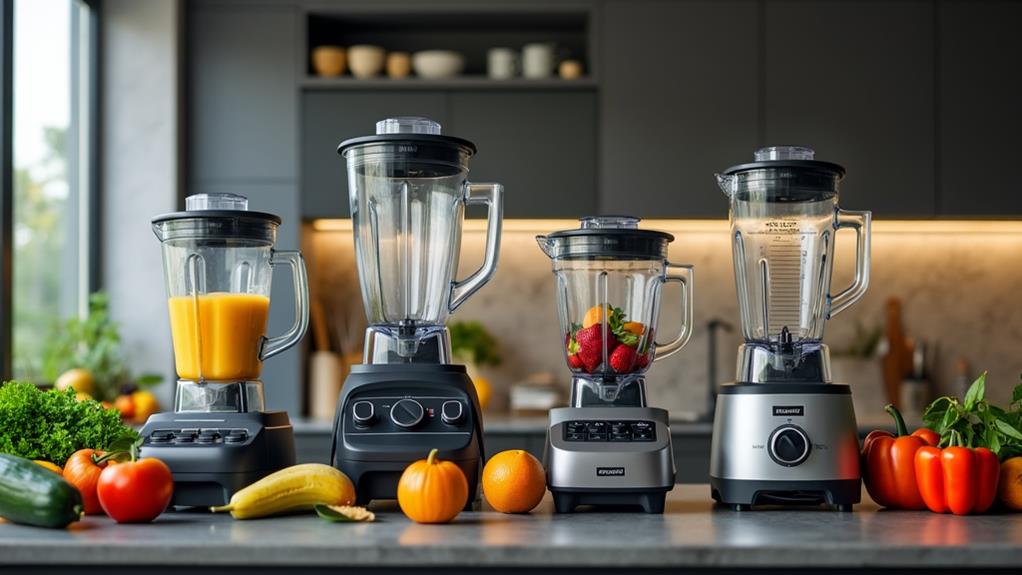
When delving into the world of blenders, understanding the diverse range of motor types is essential to making an informed purchasing decision. Blender motors come in various configurations, each offering unique benefits and capabilities tailored to different blending tasks. From heavy-duty commercial use to basic household blending, the type of motor in a blender significantly impacts its durability, performance, and versatility.
By exploring the different types of blender motors, consumers can better match their blending needs with the appropriate motor design, ensuring optimal blending results and longevity for their appliance investment.
Immersion Blender Motors
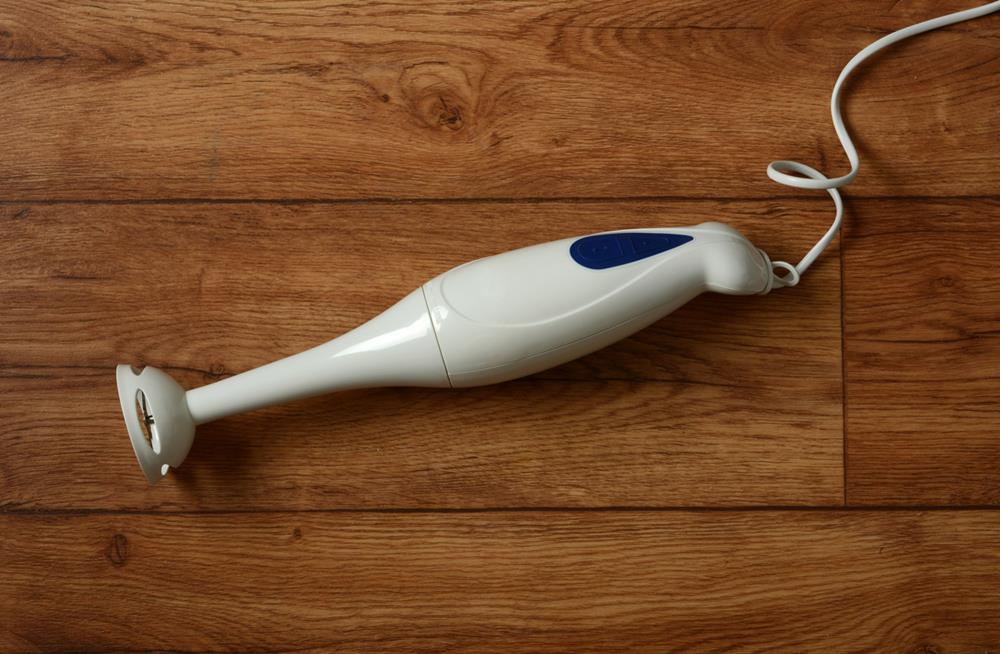
These motors are designed to be compact and lightweight, making them ideal for handheld blending tasks such as pureeing soups, whipping up smoothies, or blending sauces directly in pots or containers. While these motors are typically less powerful than those in countertop blenders, usually ranging from 100 to 500 watts, their design and functionality ensure efficient performance.
Most immersion blenders utilize a DC motor, which is known for its efficiency and consistent power delivery. This makes blending tasks quicker and easier. The lightweight nature of handheld immersion blenders allows for greater control and precision, which is particularly useful when preparing small-scale recipes.
Hand Mixer Motors
When you're in need of a versatile handheld device for various mixing and blending tasks, hand mixer motors provide an ideal solution. Typically utilizing universal motors, these devices are lightweight and compact, perfect for handheld use. They deliver sufficient power for efficient mixing and blending, generally ranging from 200 to 250 watts.
A notable feature of hand mixer motors is their ability to operate on both AC and DC power sources, offering flexibility and convenience. This dual compatibility ensures that you can use your hand mixer in different settings without concern for the power source.
Maintaining hand mixer motors is straightforward. Regular cleaning, checking for wear on the motor brushes, and avoiding overloading the motor during use can significantly extend its lifespan.
Food Processor Motors
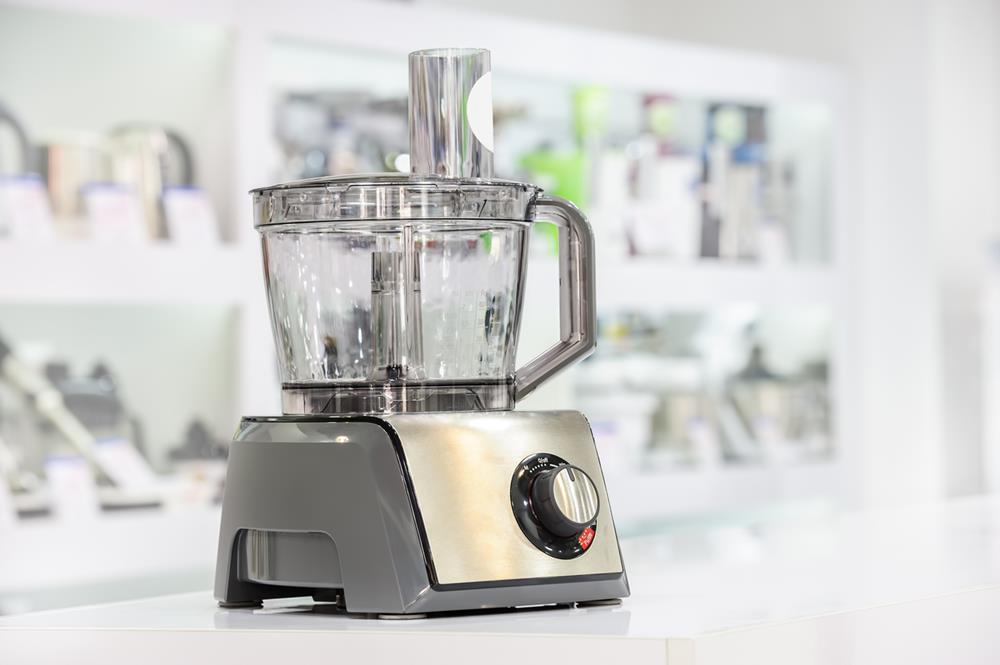
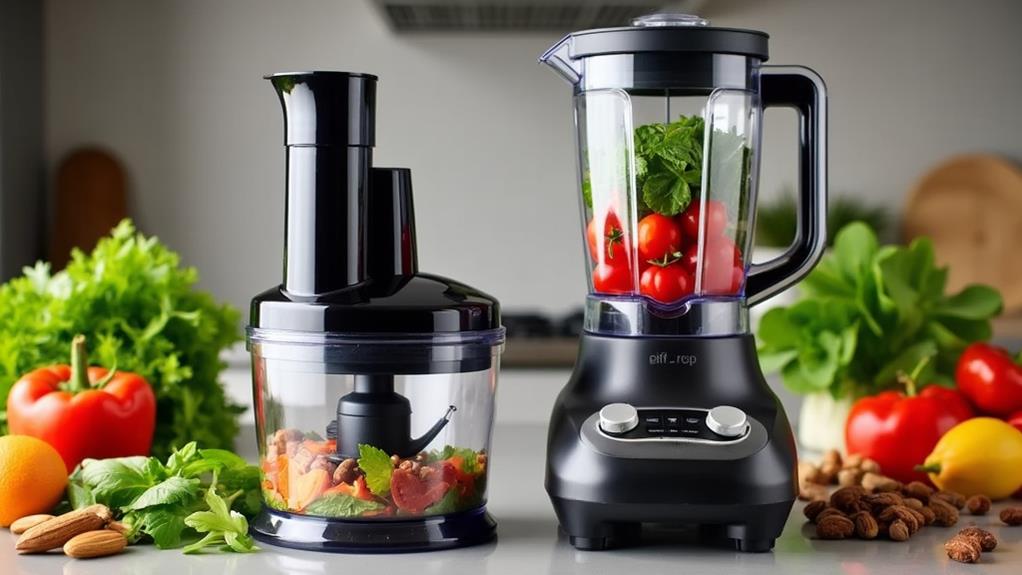
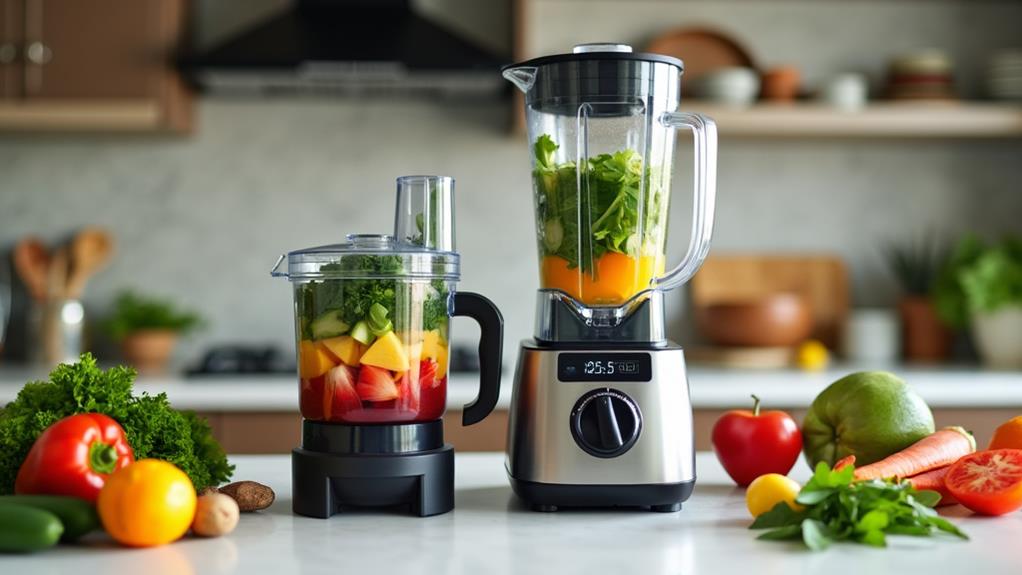
Food processor motors, predominantly using induction technology, deliver robust and efficient performance for diverse kitchen tasks. When you utilize a food processor, you're engaging with a machine engineered to handle demanding tasks such as chopping, slicing, and shredding. Induction motors are central to this capability, offering the necessary power and dependability to manage tough ingredients effortlessly.
These induction motors are designed for durability, ensuring your appliance can endure frequent use over the years. The motor's power varies by model, with higher wattage options better equipped to handle dense ingredients without lagging. This makes food processors suitable for both everyday meal preparation and more intensive cooking projects.
Universal Chopper Motors
For high-speed performance and versatility in your kitchen, universal chopper motors are an excellent choice. These motors are designed to handle various food processing tasks efficiently and are built to last.
High-Speed Performance
Universal chopper motors are renowned for their high-speed performance, making them ideal for efficient chopping, mincing, and pureeing tasks. These motors are engineered to handle a variety of blending operations with ease, thanks to their high RPM capabilities. They can efficiently process even the toughest and most fibrous ingredients, transforming them into fine, smooth textures.
If you seek a blender motor that excels in high-speed performance, universal chopper motors are a dependable choice. Their high RPM allows for rapid food processing, saving you valuable time in the kitchen. Whether you're preparing a silky smoothie, a creamy soup, or finely minced herbs, these motors deliver consistent and reliable results, ensuring your recipes achieve the perfect texture.
High-speed performance encompasses both efficiency and consistency. Universal chopper motors excel in both areas. They offer the power and precision necessary to execute a range of tasks swiftly and effectively. If high-speed performance is essential for your blending needs, these motors will meet your expectations.
Stand Mixer Motors
When evaluating stand mixer motors, it's essential to consider their power ratings to ensure they can handle heavy-duty tasks. These motors are often induction types, known for their durability and minimal maintenance requirements.
Understanding these key aspects will help you choose the most reliable stand mixer for your baking and cooking needs.
Motor Power Ratings
Selecting the appropriate motor power rating for your stand mixer is essential for ensuring it can handle your specific tasks. Motor power ratings for stand mixers typically range from 250 to 1000 watts. Higher wattage models offer more power, making them ideal for heavy-duty tasks.
Here are some key considerations when choosing the motor power rating for your stand mixer:
- For tasks like whipping cream or mixing cake batter, a mixer with a motor rating of 250-400 watts is sufficient.
- For kneading bread or mixing thick doughs, look for a motor with a rating of 500-700 watts to ensure efficiency and durability.
- Professional kitchens or avid home bakers who frequently handle dense mixtures should opt for mixers with motor ratings in the 800-1000 watt range.
- Larger batches require more power, so choose a higher wattage motor if you often cook for many people or make large quantities.
Durability and Maintenance
Proper maintenance is essential for extending the life of your stand mixer motor. Here's a quick guide:
| Task | Frequency | Benefit |
|---|---|---|
| Cleaning | After each use | Prevents buildup and blockages |
| Lubrication | Every 6 months | Ensures smooth operation |
| Avoid Overloading | Always | Prevents motor strain |
| Inspecting Parts | Monthly | Catches early wear and tear |
| Professional Check | Annually | Ensures peak performance |
High-Performance Blender Motors
High-performance blender motors, with power ratings from 1000 to 2000 watts, deliver the strength and reliability required for handling tough ingredients and demanding tasks. These robust motors are ideal for both commercial kitchens and home use, where efficiency and dependability are paramount.
With their high torque output, they can effortlessly crush ice, blend frozen fruits, and pulverize hard vegetables.
To ensure durability and prevent overheating, high-performance blender motors are often equipped with advanced cooling systems. This feature ensures the motor remains reliable even during extended use. Additionally, many of these blenders include sophisticated speed control mechanisms, such as microprocessors or variable speed settings, allowing for precise blending control and consistent results.
Portable Blender Motors
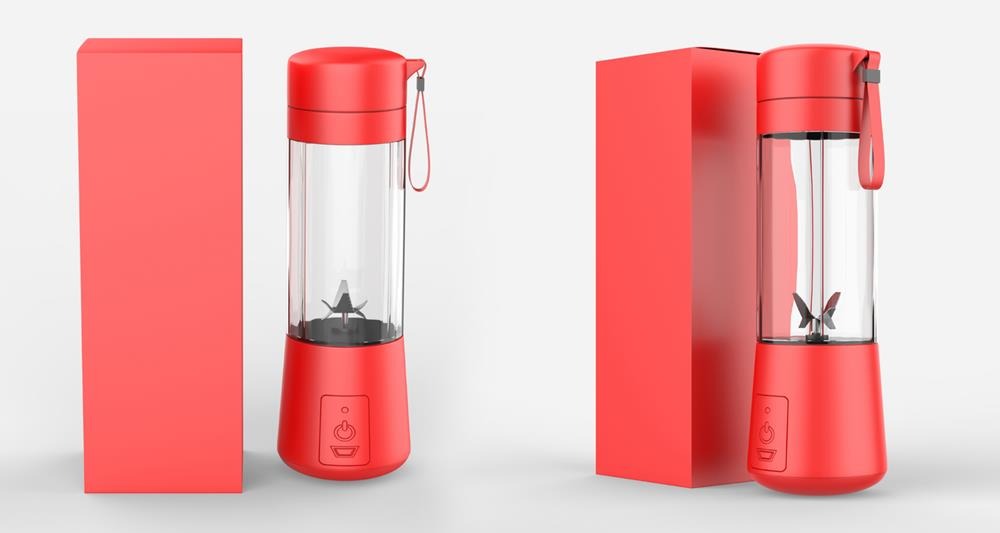
Portable blender motors offer convenient, on-the-go blending solutions with their compact and lightweight design. Ideal for making smoothies, shakes, or blending soft fruits and vegetables while traveling, at work, or during outdoor activities, these motors are enhanced by rechargeable batteries, eliminating the need for a power outlet.
Portable blender motors are efficient for single-serving portions, making them perfect for personal use. Despite their small size, they're powerful enough to handle a variety of ingredients, ensuring a smooth blend every time.
Motor size and power output vary by brand and model, so it's important to choose one that meets your specific needs.
When selecting a portable blender, consider battery life and recharging time to ensure it aligns with your lifestyle. Some models even offer USB charging for added convenience.
Frequently Asked Questions
What Are the Three Types of Blenders?
There are three types of blenders: countertop, immersion, and personal. Countertop blenders are versatile and powerful, suitable for a wide range of blending tasks. Immersion blenders, also known as handheld blenders, are designed for blending directly in pots or containers. Personal blenders are compact and ideal for single servings or on-the-go use.
How Many Watts for a Good Blender?
For household use, a blender with 500 to 750 watts is generally sufficient. However, wattage isn't the sole indicator of performance. Consider factors like torque and consumer reviews, especially if you plan to blend tough ingredients frequently.
How Powerful Are Blender Motors?
Blender motors typically range from 300 to 1500 watts. For most household uses, a motor within the 500 to 750-watt range is usually sufficient. It's important to note that higher wattage doesn't always equate to better performance; factors like blade design and motor efficiency are also crucial. Checking consumer reviews can provide valuable insights into a blender's overall performance and reliability.
How Much RPM Is Good for Blender?
For efficient performance, a blender with an RPM range between 10,000 to 20,000 is ideal. Higher RPMs, such as 30,000 or more, provide smoother blends and faster processing, especially in commercial blenders.
Conclusion
All in all, the diversity of blender motors reflects the wide array of blending tasks and user preferences in the market. Whether, it's the simplicity of a universal motor, the efficiency of an induction motor, or the power of a high-torque motor, each type offers distinct advantages suited to various blending needs. Understanding the strengths and limitations of different motor types empowers consumers to select the best-suited blender for their specific requirements, whether it's for everyday smoothies, professional-grade culinary creations, or industrial-scale food processing.