What Are the Best Techniques for Blending Greens?
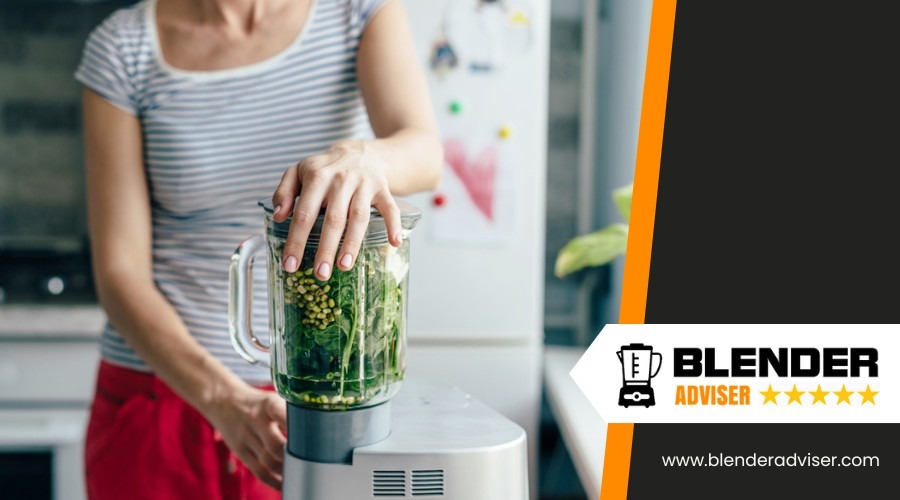
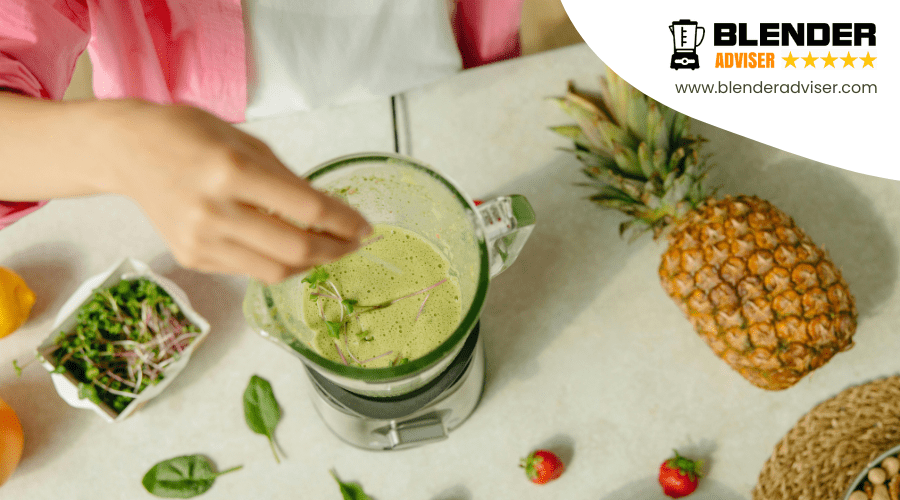
Blending greens can be a great way to incorporate more nutrients into your diet, but achieving a smooth, palatable texture can be challenging. Whether you're making smoothies, soups, or sauces, knowing the best techniques for blending greens can make a significant difference in the final product.
Let's explore further techniques to preserve nutrients and ensure a lump-free result. From choosing the right greens to using the proper blending methods, these insights will help you make the most out of your leafy vegetables.
Key Takeaways
- Place leafy greens at the bottom of the blender to ensure thorough breakdown and a smooth texture.
- Use a liquid base such as water, coconut water, or almond milk for optimal blending and consistency.
- Gradually add frozen fruits to maintain a creamy texture and enhance flavor without added sugars.
- Blend in stages: start with the liquid and greens, then add the fruits to avoid lumps.
- Avoid over-blending to minimize oxidation and preserve essential nutrients in the greens.
Choose Fresh Greens
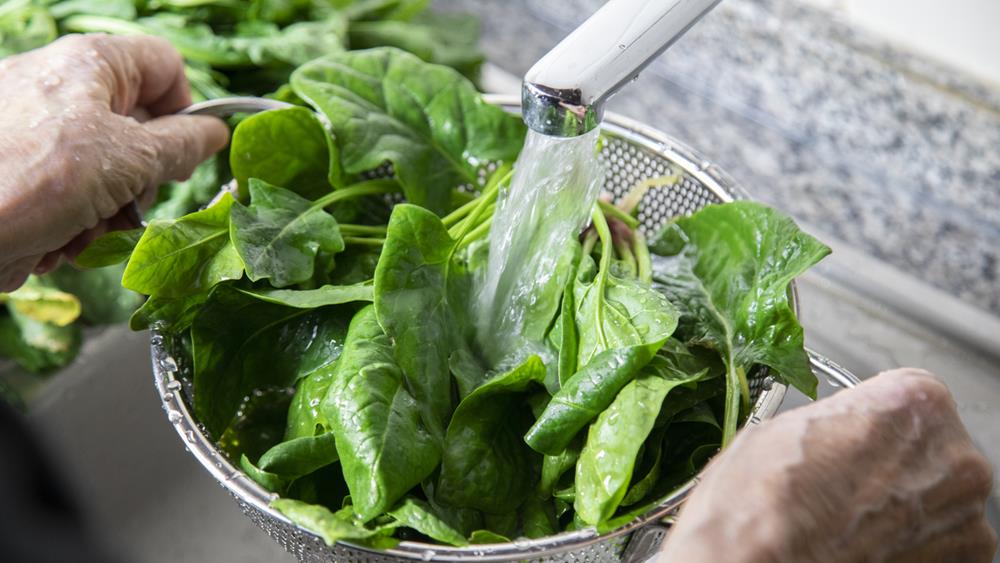
Using fresh, high-quality greens is crucial for both flavor and nutrient content. Greens such as spinach, kale, and Swiss chard are packed with vitamins, minerals, and antioxidants. Fresh greens will blend more easily and provide a brighter, more vibrant taste compared to wilted or older leaves. Always select crisp, bright-colored greens without any signs of wilting or yellowing for the best results.
Wash Thoroughly
Properly washing your greens is essential to remove any dirt, bacteria, and pesticide residues. Fill a large bowl with cool water, submerge the greens, and gently swish them around. Let them sit for a few minutes to allow any dirt to settle at the bottom. Rinse the greens under running water and pat them dry with a clean towel or use a salad spinner. This ensures your blended greens are clean and safe to consume.
Chop Greens Before Blending
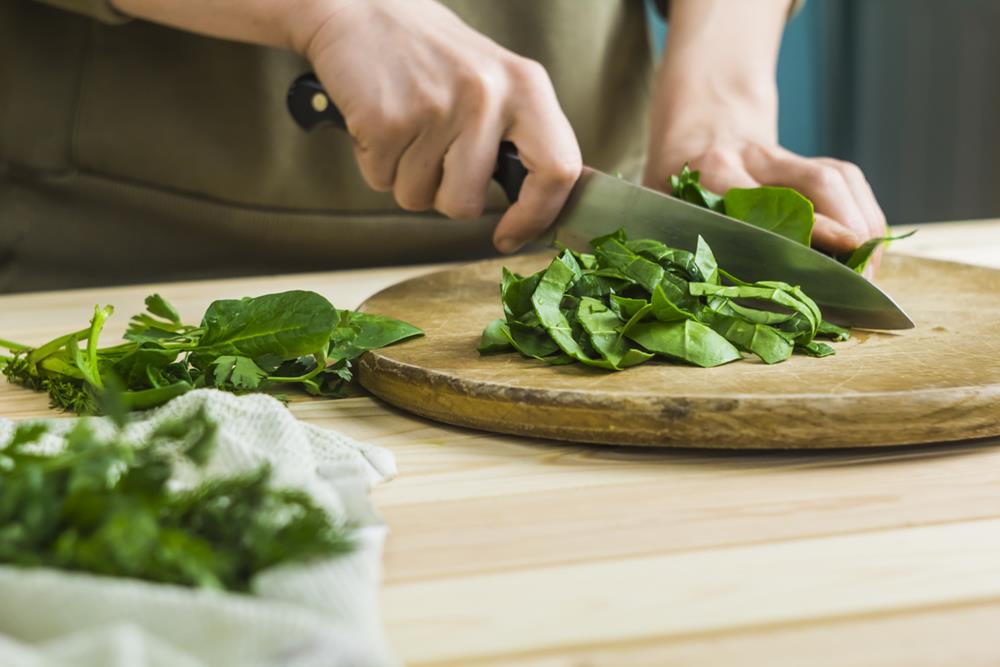
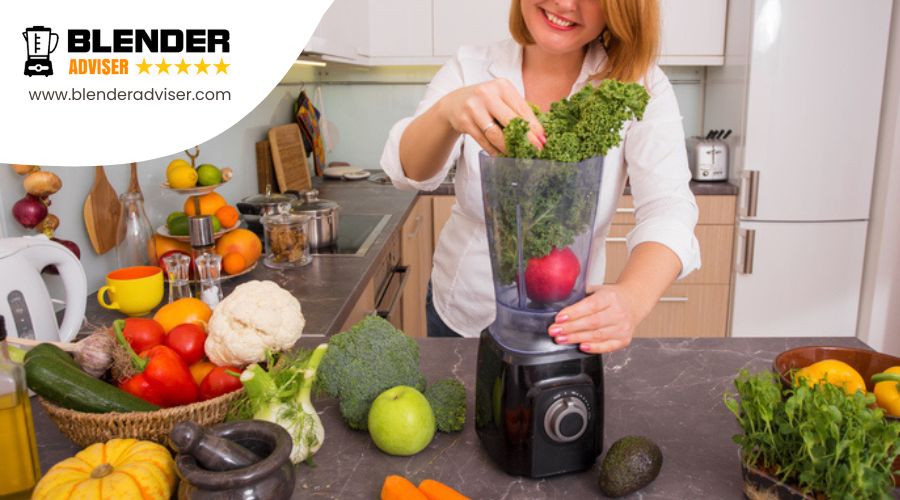
Chopping greens into smaller pieces before adding them to the blender can make the blending process more efficient. Smaller pieces are easier for the blender blades to handle, leading to a smoother final product. This step is particularly important for tougher greens like kale or collard greens, which can be more challenging to break down.
Add Liquid First
Starting with a liquid base such as water, juice, or milk helps create a vortex that pulls the greens down into the blades, ensuring even blending. Adding liquid first also prevents the greens from sticking to the sides of the blender, making the blending process smoother and faster. Adjust the amount of liquid based on the consistency you desire for your blend.
Blend in Stages
Begin by blending the greens with the liquid on a low setting, then gradually increase the speed to high. This staged blending helps to break down the greens more effectively and ensures a smoother texture. Starting slow allows the greens to be thoroughly mixed with the liquid, preventing large chunks from forming and making the final blend more uniform.
Use a High-Speed Blender
High-speed blenders are specifically designed to handle tougher ingredients and produce smoother results. They can break down the fibrous cell walls of greens more efficiently than standard blenders, resulting in a finer texture. Investing in a high-speed blender can make a significant difference in the quality of your blended greens.
Combine with Other Ingredients
Adding fruits, vegetables, or yogurt can help balance the taste and texture of blended greens. Ingredients like bananas, berries, and cucumbers can add natural sweetness and creaminess, masking the sometimes bitter taste of greens. This combination not only enhances flavor but also boosts the nutritional content of your blend.
Add Ice or Frozen Fruit
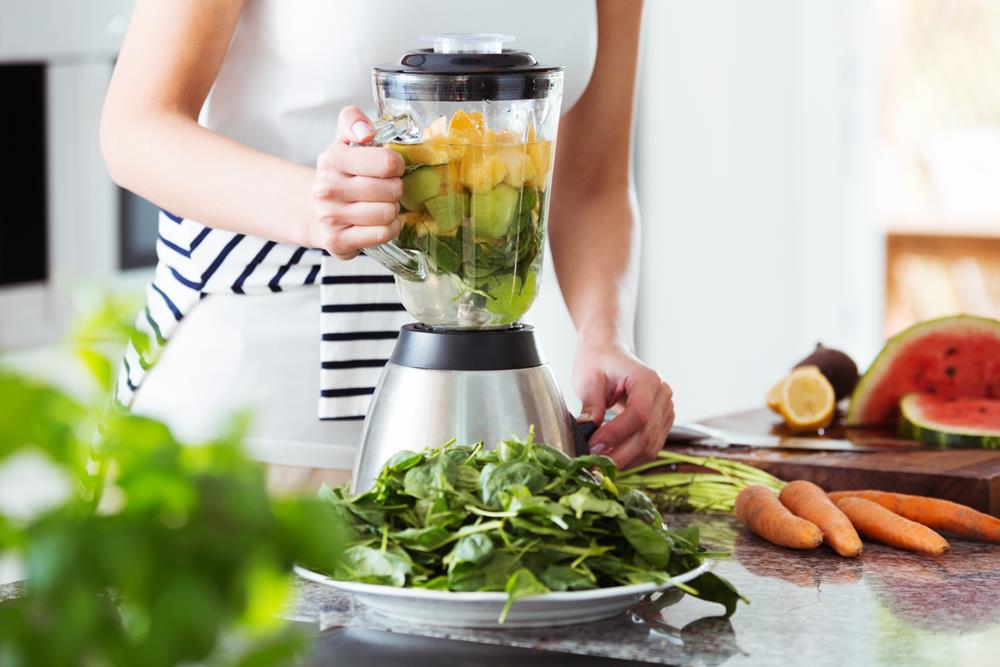
Incorporating ice or frozen fruit can help break down the greens more effectively and keep your blend cool and refreshing. The cold temperature can also help preserve the nutrients and flavor of the greens, resulting in a more enjoyable beverage. Frozen fruits like berries or mangoes can add thickness and a refreshing taste.
Don't Overfill the Blender
To ensure proper blending, avoid overloading the blender. Overfilling can prevent the blades from moving freely, resulting in uneven blending and a lumpy texture. If you have a large quantity of greens, blend in batches to achieve a smooth consistency. This also reduces the strain on your blender, prolonging its lifespan.
Blend Longer for Smoothness
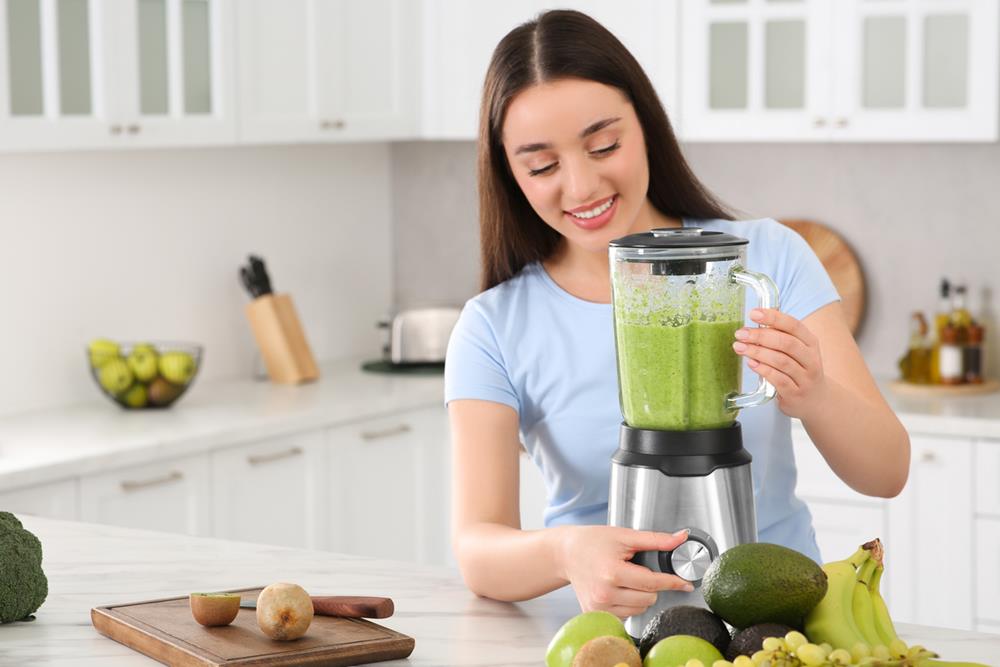
Blending for a longer duration can help achieve a smoother texture, especially if your blender isn't high-speed. Extending the blending time ensures that all the greens are thoroughly broken down and incorporated into the liquid. This is particularly important for tougher greens or when using a standard blender, as it helps avoid any remaining chunks.
Strain If Necessary
If you prefer a completely smooth drink, strain the mixture through a fine mesh sieve or cheesecloth to remove any remaining fibers. This extra step can make a significant difference in the texture, providing a silky-smooth beverage free from any gritty or fibrous pieces. Straining is especially useful when blending tougher greens or when making more delicate recipes like green juices.
Taste and Adjust
After blending, taste your mixture and adjust the flavors as needed. You can add natural sweeteners like honey or maple syrup, a splash of citrus juice for brightness, or spices like ginger or cinnamon to enhance the flavor. Adjusting the taste ensures your blend is enjoyable and tailored to your preferences, making it more likely you'll incorporate it into your regular diet.
Clean Your Blender Immediately
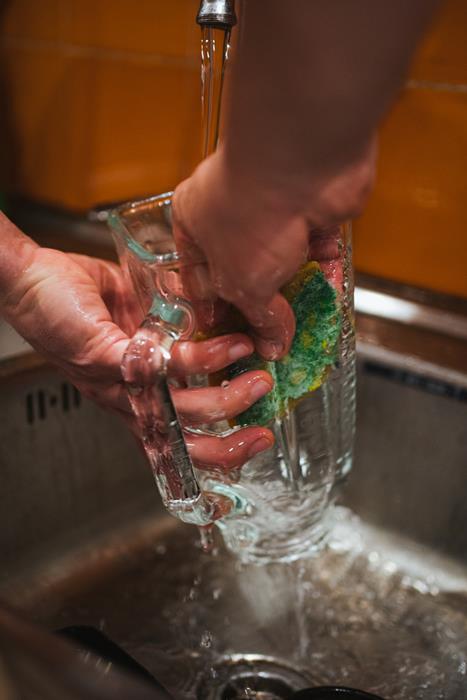
Cleaning the blender right after use prevents the greens from sticking and drying, making it easier to maintain. Fill the blender halfway with warm water and a few drops of dish soap, and then blend on high for 30 seconds to remove any residue. Rinse thoroughly and allow to dry. Regular maintenance of your blender keeps it in good working condition and ensures the longevity of your appliance.
Frequently Asked Questions
How to Make a Green Smoothie Not Chunky?
To avoid a chunky green smoothie, start by blending your liquid base and leafy greens first. Gradually incorporate fruits and other ingredients. Use a high-speed blender, such as a Vitamix, and adjust the liquid amount to achieve your desired texture and smoothness.
Is Blending Greens Healthy?
Blending greens is indeed healthy. This process breaks down cell walls, making nutrients more accessible and aiding in digestion by retaining fiber. It's a convenient and customizable way to enhance your daily intake of essential vitamins and minerals.
What Greens Should I Blend?
Consider blending spinach, kale, chard, bok choy, and collard greens in your smoothies. These greens are rich in essential vitamins, minerals, and antioxidants. For a balanced flavor and nutrient profile, mix the mild taste of spinach with the robust flavor of kale.
Is It Okay to Drink a Green Smoothie Every Day?
Yes, it's okay to drink a green smoothie every day as they provide essential nutrients and antioxidants. However, it's important to vary your ingredients to ensure a diverse nutrient intake. If you have any dietary concerns, consult your healthcare provider.
Conclusion
By choosing fresh greens, washing them thoroughly, chopping them into smaller pieces, and following the blending tips provided, you can achieve smooth and delicious blends every time. Remember to experiment with different ingredients, adjust flavors to your liking, and maintain your blender for optimal performance. With these strategies, you'll enjoy the health benefits and enhanced flavors of perfectly blended greens in your meals and beverages.