What Are the Best Techniques for Blending Fibrous Vegetables?
Blending fibrous vegetables can be challenging, but mastering the right techniques ensures smooth and nutritious results. Fibrous vegetables like kale, spinach, and celery are packed with nutrients but can be tough to break down. Using a high-powered blender is essential to effectively process these dense ingredients, creating a smooth and palatable blend.
Selecting the appropriate blending settings and tools can significantly improve the texture of your blends. By understanding how to handle fibrous vegetables, you can retain their nutritional benefits while achieving a pleasing consistency. This guide will explore the best techniques for blending these vegetables, helping you make the most of their health advantages in your smoothies and soups.
Prepping Vegetables
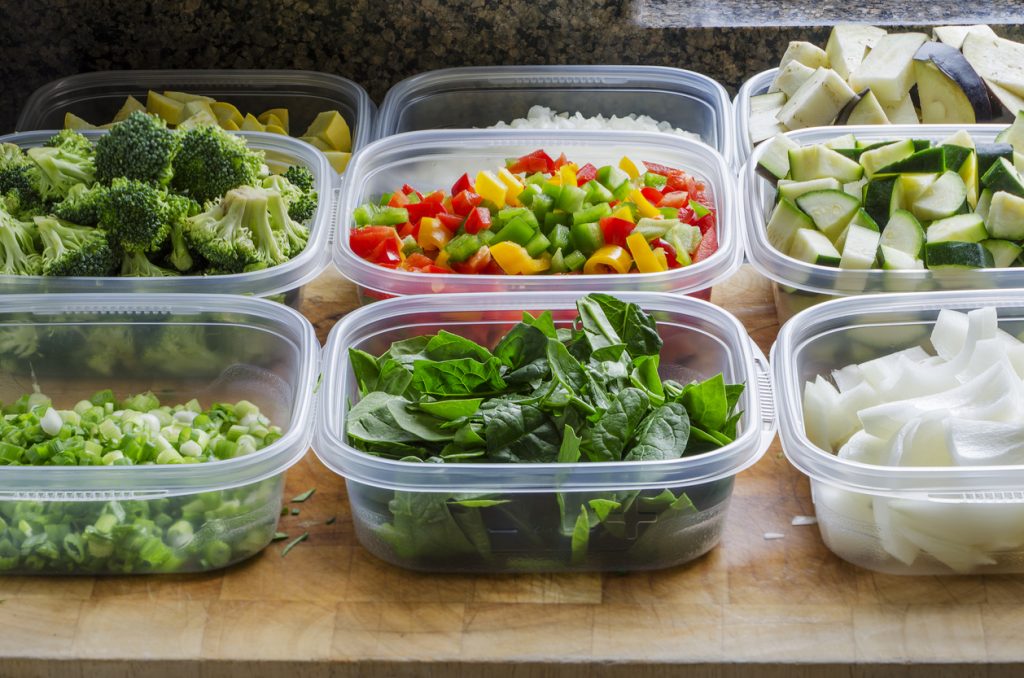
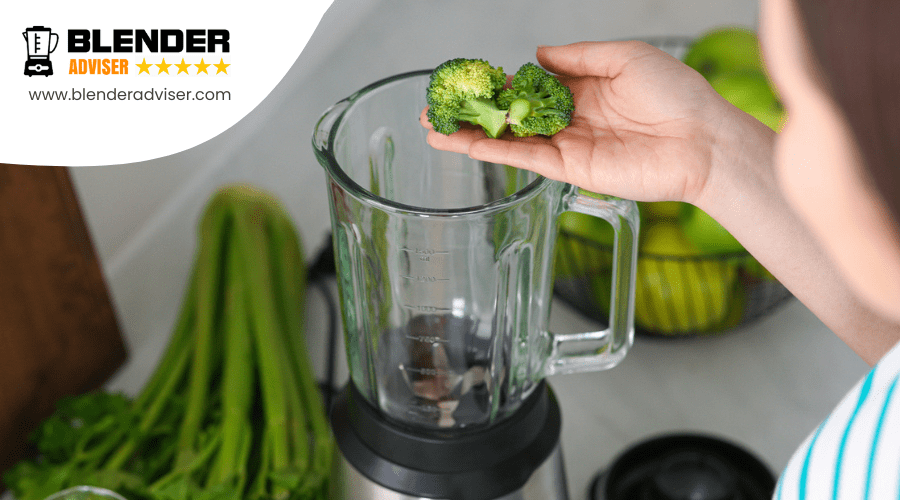
Properly preparing fibrous vegetables is crucial for creating a smooth and palatable blend. Begin by peeling and chopping fibrous vegetables like kale, broccoli, and celery. This step breaks down their tough exteriors, making it easier for your blender to process them efficiently.
For particularly tough vegetables like carrots or beets, blanching or steaming them first will soften their fibers, ensuring they blend smoothly.
Removing tough stems or cores is also essential. For instance, strip away the thick stems from kale or the hard cores from spinach. These parts can add a stringy texture to your blend, making it less enjoyable.
Cutting fibrous vegetables into smaller pieces further aids in the blending process, ensuring a more even consistency and enhancing the overall texture.
Balancing the fiber content is important as well. Consider adding softer fruits like apples or pears to your mix. These fruits not only enhance the flavors of your vegetables but also help to counterbalance the texture, resulting in a smoother and more appealing blend.
Choosing the Right Liquid

Selecting the appropriate liquid base is crucial for creating a smooth and flavorful blend of fibrous vegetables. When designing your smoothie recipes, consider using water, coconut water, almond milk, or yogurt. These liquids serve as a foundation that enhances the natural flavors of your vegetables without masking them.
Avoid sugary juices or soda, as they can overpower the taste of your vegetables and add unnecessary sugars. For an additional flavor boost and extra nutrients, opt for low-sodium vegetable broth. This choice not only enhances the savory aspect but also contributes essential vitamins and minerals.
To control the consistency of your blend, add the liquid incrementally. This is particularly important with fibrous vegetables, which can create a denser texture. Start with a small amount of your chosen liquid, blend, and then gradually add more until you reach your desired consistency. This method helps ensure your blend isn't too runny or too thick.
Adjust the amount of liquid based on the thickness of the vegetables you're using. For instance, fibrous veggies like kale or celery may require more liquid to achieve a smooth consistency, while softer vegetables will need less.
Layering Ingredients
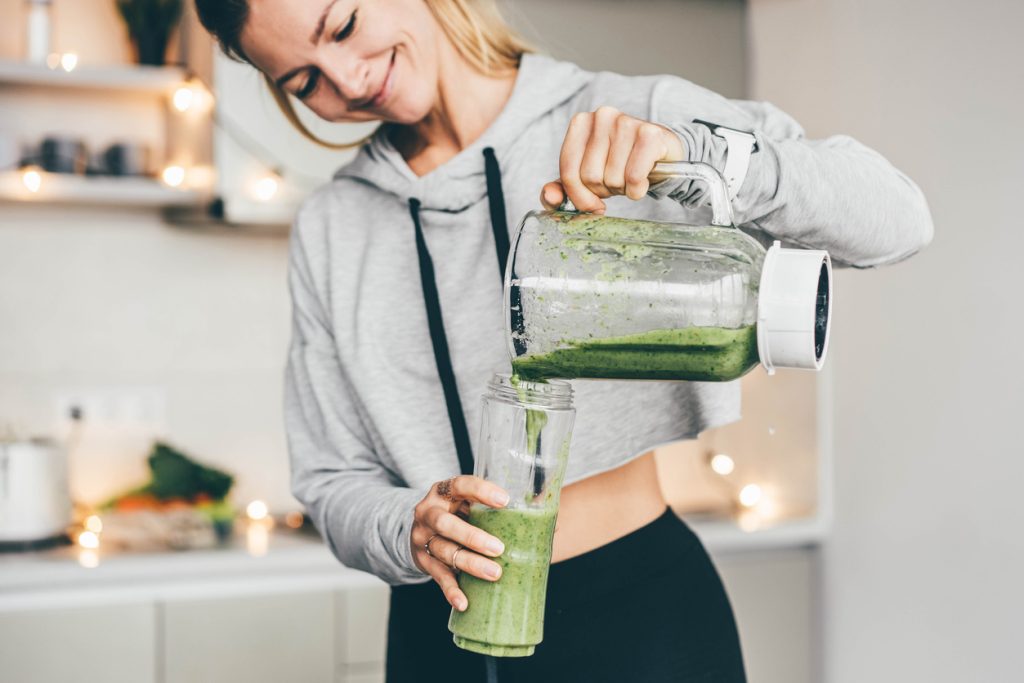
For a smooth and even blend, start by placing fibrous vegetables like kale, celery, and carrots at the bottom of your blender. This allows the machine blades to effectively break down the tough fibers. Next, add softer fruits such as bananas or berries on top. These fruits add both flavor and extra liquid, aiding the blending process.
Then, pour in your liquids—whether it's water, juice, or non-dairy milk. Liquids help reduce friction and facilitate a smoother blend. This layering prevents air pockets, which can stall blending and lead to uneven consistency.
Begin with smaller amounts of fibrous vegetables and gradually add more as needed to avoid overwhelming your blender and ensure even blending. Following this order—fibrous vegetables at the bottom, softer fruits and liquids on top—optimizes blending efficiency and results in a smooth, well-blended mixture.
Smooth Texture Tips
Layering your ingredients correctly in the blender is essential for achieving a smooth and creamy texture. Start by adding liquid or yogurt at the bottom of the blender. This creates a fluid base that allows the blades to move freely.
Next, add fibrous vegetables like kale or celery in the middle to ensure they get blended thoroughly without creating air pockets.
After the fibrous vegetables, layer in softer fruits or vegetables. Alternating between hard and soft ingredients prevents the blades from getting stuck and promotes a more consistent blend.
By following this layering technique, you can achieve a well-mixed, creamy smoothie or soup. If you've ever ended up with chunky bits of fibrous vegetables in your blend, it's likely due to improper layering. Properly layering not only assures a smoother texture but also makes the blending process more efficient.
Blending Time Adjustment
Once you've mastered layering ingredients, it's crucial to fine-tune the blending time for the ideal consistency. Begin by blending softer ingredients like fruits or liquids. This step creates a smoother base, facilitating the incorporation of fibrous vegetables without clogging or causing uneven blending.
As you add fibrous vegetables, consider their toughness. For tougher vegetables, extend the blending time to break down the fibers, ensuring a smooth and consistent texture. Adjusting the blending time is essential for achieving a creamy blend.
Experiment with different layering techniques and blending durations. Some vegetables may need more time or a different layering order to blend effectively. By adjusting both the blending time and layering method, you can find the optimal approach for your specific ingredients and desired consistency.
Pulsing Technique
To maintain the texture of fibrous vegetables while blending, use the pulsing technique. This method involves short bursts of blending, which helps prevent over-blending and keeps your mix chunkier.
This technique is particularly beneficial when working with a mix of fruits and vegetables. Pulsing breaks down tough fibers gradually, preventing over-processing. By using the pulse button on your blender, you can better manage the blending process, ensuring your veggies retain their natural crunch.
Additionally, pulsing helps avoid over-blending, which can lead to an undesirable texture. It allows you to check the consistency frequently and make necessary adjustments.
By pulsing, you can also adjust the blending speed and duration based on the hardness of the vegetables. Harder vegetables like kale, celery, and broccoli may require longer or more frequent pulses, while softer veggies will blend sufficiently with shorter bursts. This control allows you to achieve the desired smoothness without over-processing.
High-Speed Blending
High-speed blending is crucial for breaking down tough fibers in vegetables like kale, celery, and carrots, transforming them into a smooth, nutrient-rich consistency. The powerful blades quickly pulverize fibrous vegetables, ensuring you achieve a smooth texture ideal for creamy smoothies and hearty soups. This process also releases more nutrients from the vegetables, making them easier for your body to absorb.
For a velvety texture, high-speed blending is your best option. It not only helps achieve perfect consistency but also maximizes the nutritional benefits of your vegetables. No more stringy bits or chunks; just a seamless blend that's easy to enjoy.
Using High-Powered Blenders
High-powered blenders efficiently process fibrous vegetables, ensuring smooth and nutritious blends. Equipped with robust motors and sharp blades, these powerful kitchen appliances effortlessly break down tough fibers in vegetables leaving no chunks or strings behind.
The powerful motor spins the blades at high speeds, pulverizing even the most stubborn vegetable fibers to achieve a smooth texture. This eliminates concerns about uneven blending or gritty textures that can compromise your culinary creations.
Investing in a high-powered blender transforms your blending experience, making it seamless and effective. Whether you're a health enthusiast or simply enjoy a good smoothie, these blenders are indispensable tools in your kitchen. They save time and effort, allowing you to enjoy the full nutritional benefits of fibrous vegetables without any hassle.
Adding Soft Ingredients
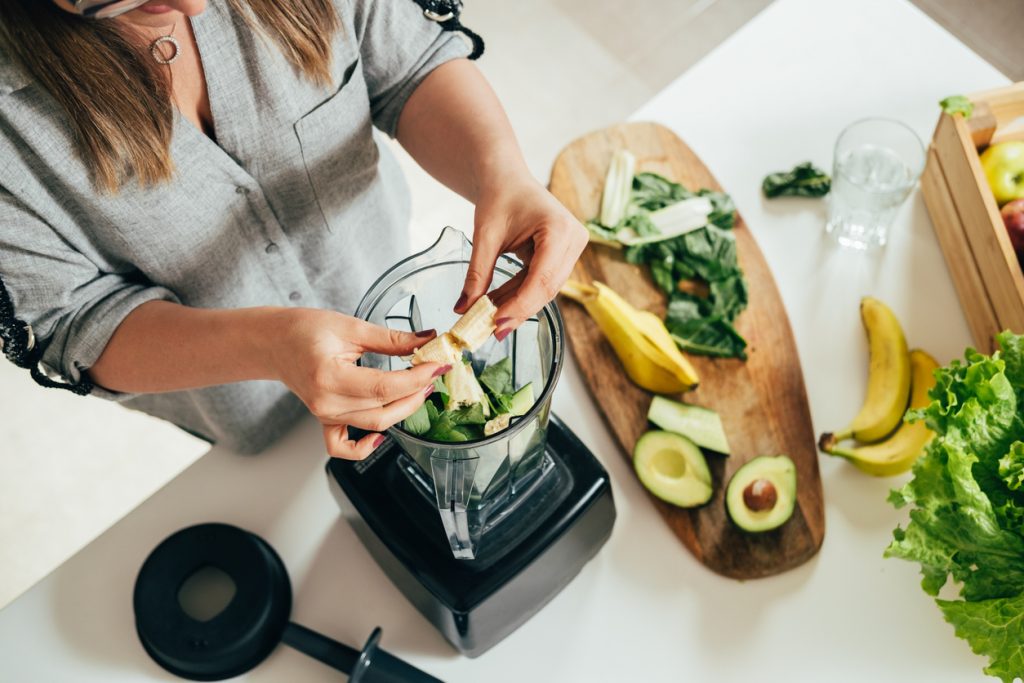
Heavy-duty blenders can easily handle fibrous vegetables, but adding soft ingredients like ripe avocados or steamed sweet potatoes can significantly elevate the texture and flavor of your blends. These ingredients balance the fibrous texture, creating a creamy and smooth consistency that's more palatable and enjoyable.
Including soft ingredients doesn't just enhance texture and flavor; it also enriches the overall nutritional profile of your blends.
Experimenting With Blending Times
Adjusting blending times is important for achieving the perfect texture when processing fibrous vegetables. Tougher vegetables like kale or celery require longer blending times to break down properly. However, it's important to avoid over-blending, which can result in a mushy texture.
To find the optimal blending time, consider the following tips:
- Blend in short bursts and pause frequently.
- Using a high-powered blender can significantly reduce blending time and achieve a smoother result.
- Continuously monitor the texture and stop blending once you reach the desired smoothness to retain nutritional benefits.
Experimenting with different blending times helps you understand how each vegetable behaves in your blender. By adjusting the times based on the type of fibrous vegetables you're using, you can achieve a perfectly smooth consistency while preserving essential nutrients.
Frequently Asked Questions
Do Blended Vegetables Still Have Fiber?
Yes, blended vegetables still retain their fiber. When you blend fibrous vegetables like kale or spinach, the fiber remains intact, aiding in digestion, regulating blood sugar, and promoting satiety. Therefore, smoothies made with these vegetables are a nutritious choice.
How Do You Blend Vegetables?
To blend vegetables, start by chopping them into smaller pieces. Use a high-powered blender and add a liquid base such as water or broth. Blend together with softer vegetables or fruits, adjusting the blending times and speeds to achieve your desired consistency.
Is Blending Vegetables Better Than Eating Whole?
Blending vegetables can enhance nutrient bioavailability and ease digestion, but it lacks the chewing resistance provided by whole vegetables. While blending offers convenience and variety, consuming whole vegetables delivers distinct benefits, including improved satiety and dental health.
Conclusion
When it comes to blending fibrous vegetables, such as kale, broccoli, or carrots, a high-speed blender is often the best choice. These equipment have powerful motors and sharp blades that can effectively break down tough fibers, resulting in a smooth texture. Additionally, adding some liquid, like water or broth, can help facilitate the blending process and ensure a creamy consistency. If you're looking to retain more fiber, consider using a lower speed setting or pulsing the blender to achieve your desired texture.