What Are the Best Practices for Storing Your Blender?
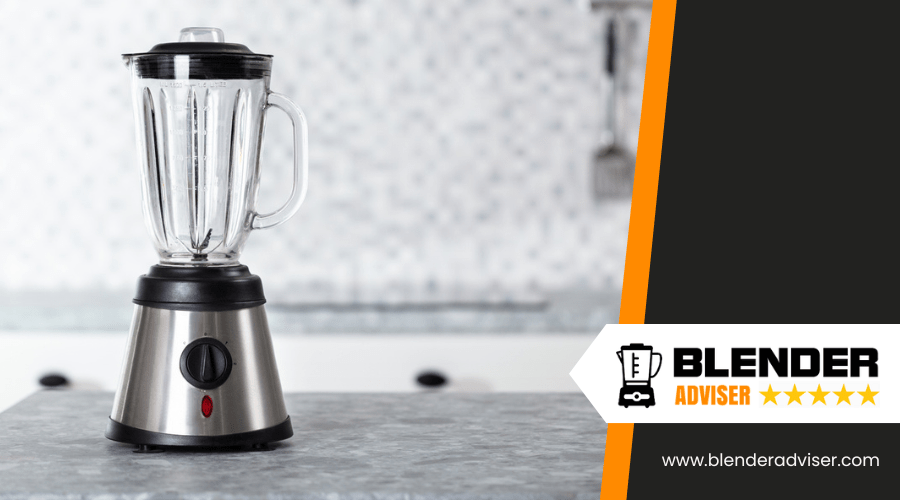
Efficient storage solutions are the cornerstone of a well-organized kitchen, especially in compact living spaces where every inch counts. Among the array of kitchen appliances, the blender holds a prominent place, demanding careful consideration in terms of storage to ensure both space optimization and accessibility. From countertop clutter to cabinet chaos, the challenge lies in devising strategies that not only preserve the blender's integrity but also seamlessly integrate it into the kitchen environment.
By exploring practical techniques and strategic arrangements, individuals can transform their kitchen storage woes into opportunities for streamlined culinary experiences.
Assessing Storage Needs
Start by evaluating your kitchen's available storage space to determine the best spot for your blender. Begin by taking stock of all your kitchen appliances and how often you use each one. If your blender is a frequently used tool, keep it easily accessible on your countertop. If you only use it occasionally, a cabinet might be a better choice.
Consider the size and weight of your blender. If it's a hefty model, store it in a location that's easy to reach to avoid heavy lifting. An immersion blender, being more compact, can fit into smaller spaces like a drawer or a narrow cabinet.
Protect the blender blades by choosing a storage solution that keeps the appliance stable and prevents damage. Ensure proper ventilation to maintain the blender's performance and longevity. Additionally, keep the storage area clean to avoid dust and grime, which can affect the appliance's operation.
Selecting Storage Locations
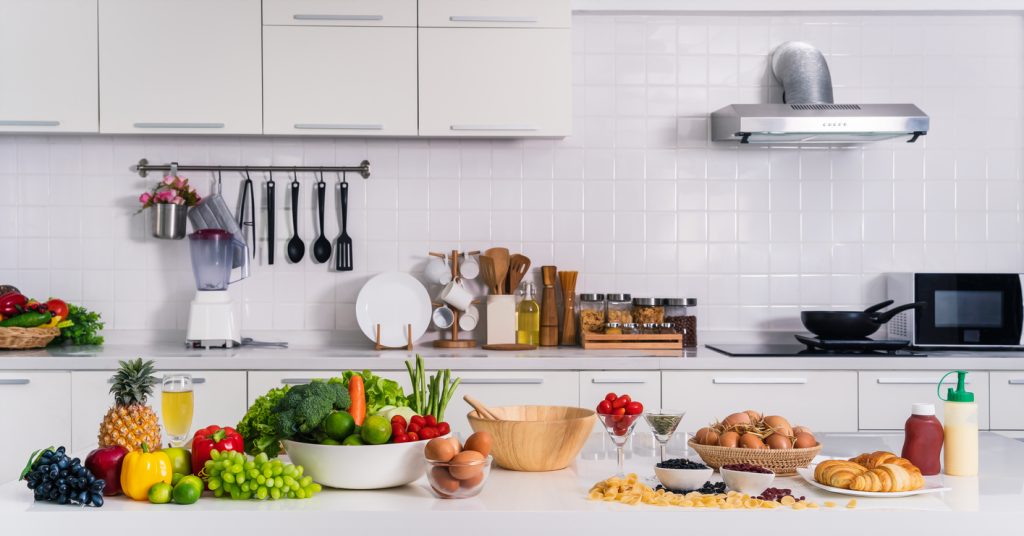
When selecting storage locations for your blender, prioritize accessibility and convenience to streamline your kitchen tasks. Make sure to choose a spot that guarantees safety and stability to prevent accidents and damage.
Here are some tips to enhance accessibility and convenience:
- Store the blender close to where you typically do your chopping and mixing.
- Keeping the machine nearby a power outlet saves you from the hassle of dragging the blender across the kitchen just to plug it in.
- A dedicated shelf ensures quick access without cluttering your workspace.
- Avoid high or low cabinets as they can be difficult to reach and may deter regular use.
Selecting the right storage spot not only makes your kitchen more efficient but also ensures your blender is always ready to use.
Temperature and Humidity
Proper storage conditions are essential for maintaining your blender's performance and longevity. Always store your blender in a cool, dry place, avoiding areas exposed to direct sunlight. Temperature fluctuations can damage your blender's motor and blades, so it's crucial to avoid locations near stoves, ovens, or other heat sources.
Humidity is another factor that can harm your blender. High humidity levels can lead to rust and corrosion, severely impacting your blender's parts. Opt for a storage spot with moderate humidity levels; avoid damp basements or overly humid kitchen corners. Aim for an environment that isn't too dry or too moist.
Extreme temperatures, whether hot or cold, can also damage your blender. They can cause the motor to malfunction and the blades to dull more quickly. Ensure the storage location maintains a steady, moderate temperature to keep your blender in top shape.
Safety and Stability
An unstable placement could lead to the appliance falling, causing damage or injury. Avoid placing your blender near edges or in precarious positions. Instead, opt for a spot where it will remain steady and secure.
Protecting Your Blender
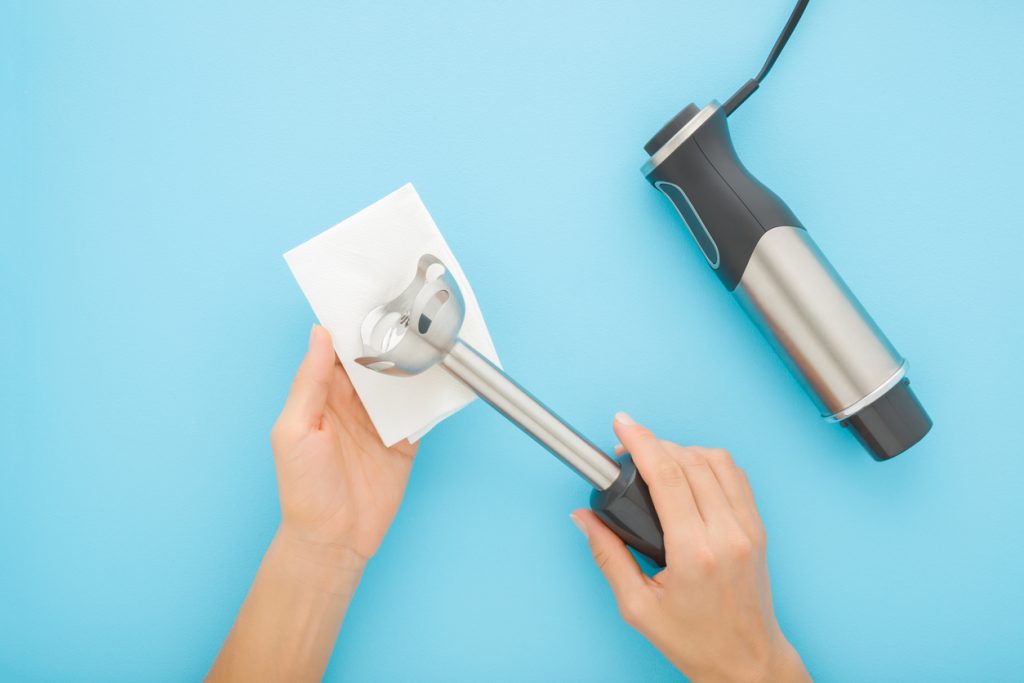
In order to make your blender lasts longer and performs optimally, focus on protecting its blades and motor. Begin by thoroughly cleaning and drying the blending jar to prevent bacterial growth and maintain peak performance.
For effective kitchen organization, choose a storage space that's both dry and clean. Avoid cluttered countertops or drawers, as they can damage your blender.
Store the blender in an upright position to prevent undue stress on the blades and motor. If possible, store the blending jar separately from the base. This not only saves space but also reduces the risk of accidental damage.
Consider using a protective cover or storing the components in a dedicated cabinet or shelf to keep dust and debris away, ensuring your blender stays in top condition.
Additionally, avoid placing heavy objects on top of your blender, as this can strain the motor and blades, leading to potential malfunction. By prioritizing a well-organized and protective storage solution, you'll extend the life of your blender and ensure it's always ready for your next culinary adventure.
Organizing Cords and Accessories
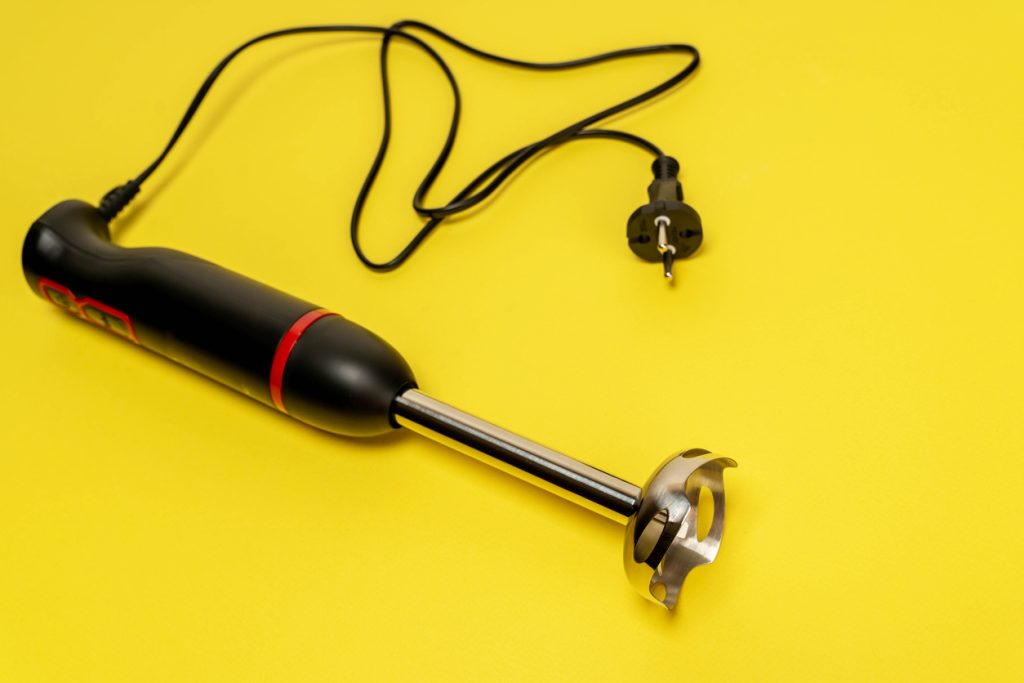
To maintain a tidy blender area, begin by wrapping the cord neatly around the blender and securing it with a cord organizer or a Velcro strap.
Store all accessories, such as extra blades and attachments, in clearly labeled containers or compartments to avoid loss. Keeping everything in a designated spot will streamline your blending process and minimize the risk of misplacement.
To keep cords organized and out of the way, consider using cord organizers or clips. Additionally, label cords with tags or markers for quick identification, especially if you store multiple appliances together. This way, you won't waste time figuring out which cord belongs to which gadget.
Accessory Storage Solutions
For those who prefer their accessories easily accessible, consider wall-mounted hooks or hanging racks. It keeps your blender accessories within reach while freeing up valuable counter or drawer space. Additionally, they add a touch of organization to your kitchen decor.
If you're looking for an all-in-one solution, invest in a blender storage caddy or organizer. These products are designed to keep all parts together in one place, making it effortless to store and retrieve your blender accessories.
Safety Precautions
After every use, clean the blender thoroughly with soapy water and dry it completely before storage. Keeping the blades and motor secure is essential for safety and longevity.
To avoid accidents and maintain the quality of your blender, follow these safety precautions:
- Ensure the blades are properly attached or stored separately in a safe place. Handle the motor with care to prevent electrical hazards.
- Always adhere to the storage instructions provided in the blender's owner's manual. These guidelines are specifically designed for your model.
- Don't store your blender near water sources or in humid environments, as this can lead to electrical issues and pose a risk of electric shock.
Maintenance and Cleaning

To keep your blender in top condition, regular maintenance and thorough cleaning are essential. Begin by detaching the blades and shafts for a comprehensive clean. Simply rinsing these parts won't suffice; scrubbing is necessary to remove all food particles.
Additionally, wipe down the handle and motor housing after each use to prevent residue buildup that could cause long-term damage and hinder performance. Always start your blender at the lowest speed setting to avoid splatter and extend the motor's lifespan.
Protecting the blades is important. Make sure all parts are completely dry before reassembly to prevent rust and damage. Store the blades in a padded container or wrap them in a towel to keep them sharp and safe when not in use.
Frequently Asked Questions
How Should a Blender Be Stored?
You should store your blender in a dry, clean space to maintain its integrity and performance. Use vertical or horizontal storage racks to keep it off the countertop, ensuring it remains easily accessible for future use.
How to Properly Take Care of a Blender?
To properly take care of a blender, follow these steps:
- Disassemble the blender and wash all removable parts with warm, soapy water. Alternatively, use the self-cleaning function if your blender has one.
- Ensure all parts are thoroughly dried before reassembling or storing to prevent mold and mildew.
- Keep the blender in a dry, clean space to avoid dust and moisture accumulation.
- Refer to the owner's manual for specific care and assembly guidelines.
Conclusion
In conclusion, mastering the art of blender storage in a small kitchen involves a harmonious blend of efficiency, creativity, and practicality. By adopting strategic storage solutions tailored to the kitchen's dimensions and layout, individuals can ensure that their blender remains accessible yet unobtrusive. Embracing innovative approaches, such as utilizing specialized storage accessories or maximizing vertical space, empowers users to optimize their kitchen organization while preserving the functionality of their blender.
By implementing these best practices, individuals can transform their storage challenges into opportunities for enhancing culinary experiences and maximizing space efficiency in their small kitchen environments.