Tip for Picking a Blender for Your Kitchen
When it comes to equipping your kitchen, a blender is an essential tool that can enhance your culinary experience. From making smoothies and soups to crushing ice and blending ingredients for your favorite recipes, the right blender can be a versatile addition to your kitchen. With so many options available on the market, choosing the perfect blender can be overwhelming.
Key Takeaways
Assess Motor Wattage: Match the motor power to your blending needs. For basic tasks, 500 watts suffice, while heavy-duty blending requires 1000 watts or more.
Select Blender Type: Choose between countertop, immersion, or personal blenders based on your specific requirements.
Consider Size and Capacity: Ensure the blender fits your storage space and meets your usage frequency.
Check Controls and Speed Settings: Look for intuitive controls and adjustable speed settings for versatility in blending tasks.
Balance Budget and Features: Consider your budget while looking for essential features. Opt for blenders with warranties ranging from 1 to 7 years for added durability.
Types of Blenders
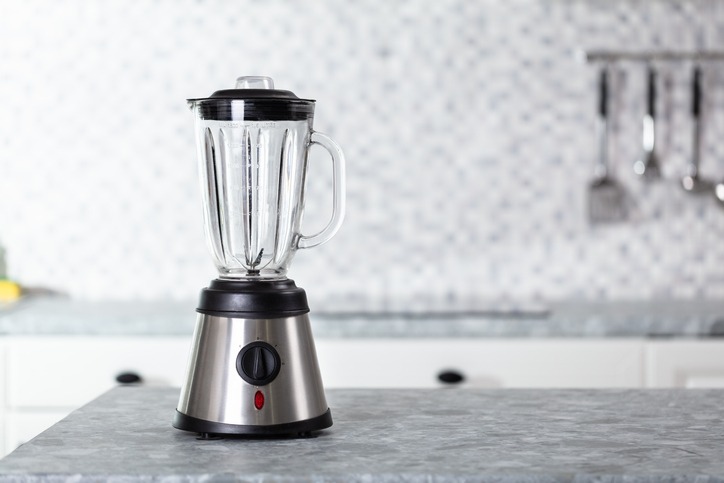
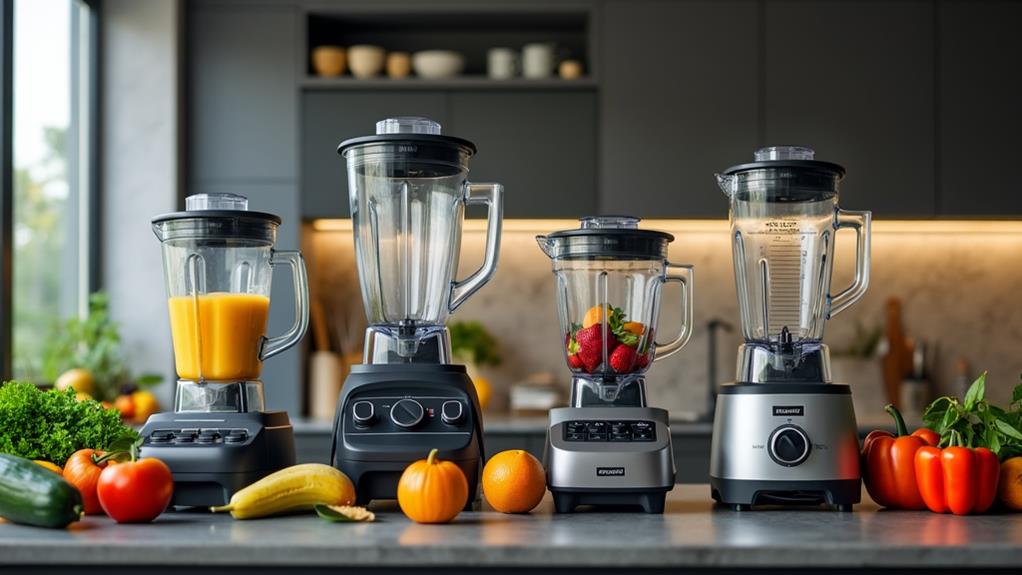
When selecting a blender, understanding the various types available is crucial. These include countertop, immersion, and personal blenders.
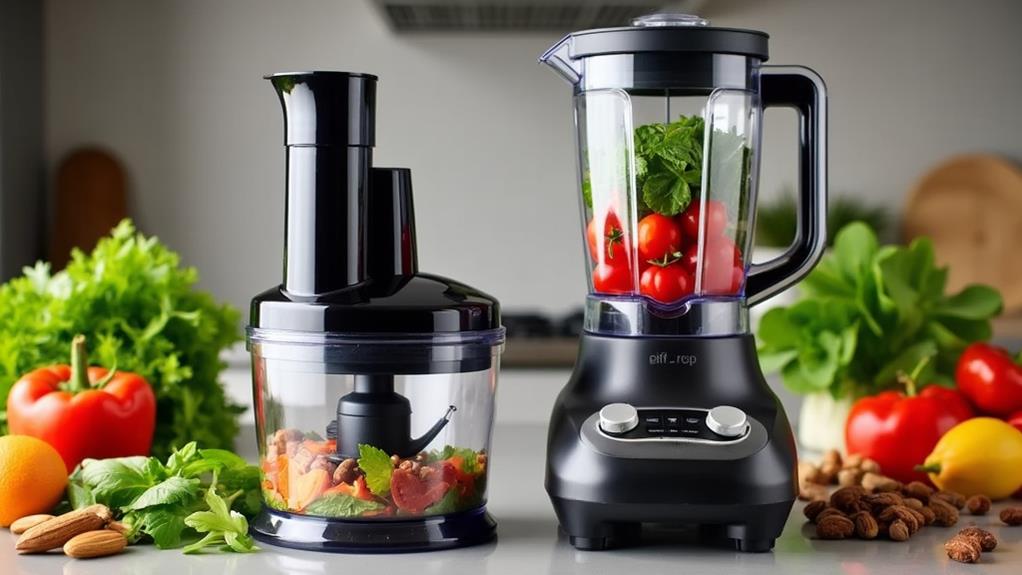
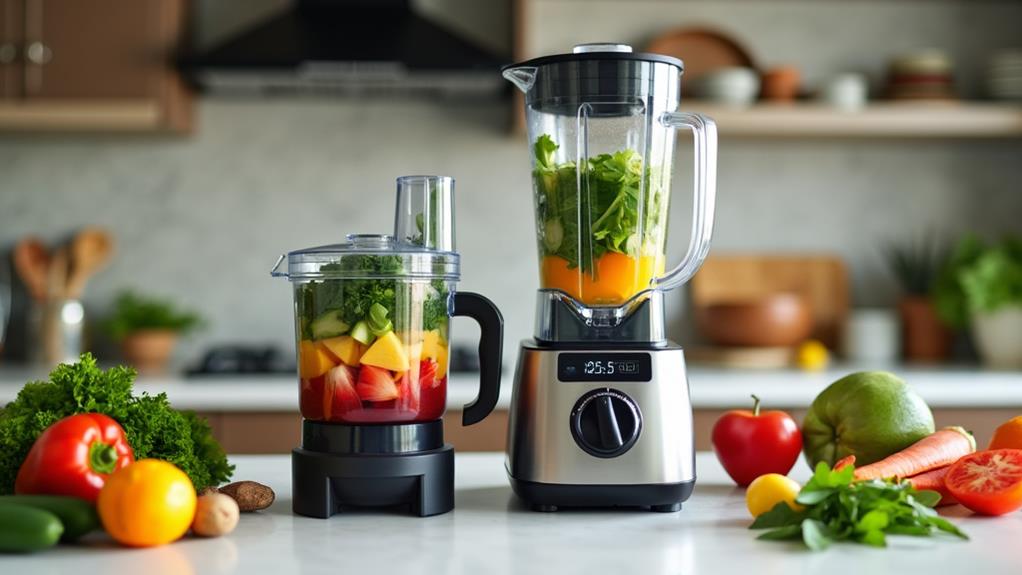
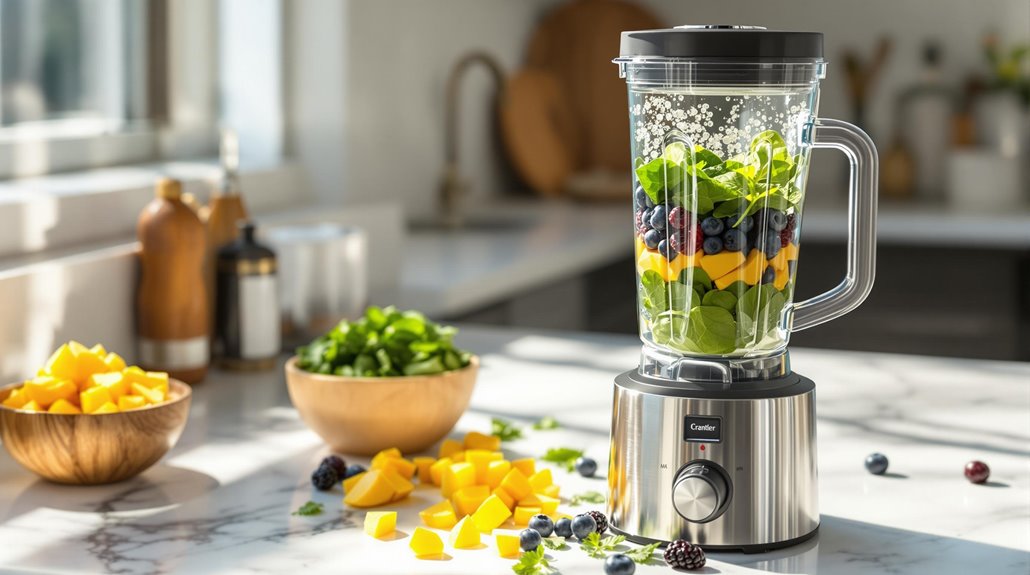
Countertop blenders are ideal for heavy-duty tasks. They can hold 4 to 8 cups of liquid, making them perfect for blending fibrous vegetables like kale. These high-performance blenders often come with pre-programmed settings for tasks such as smoothies and frozen drinks, as well as useful accessories like removable center caps and tampers. If you need versatility and power, a countertop blender is your best bet.
Immersion blenders, also known as handheld blenders, are excellent for quick blending tasks. They offer variable speed settings and come with attachments like interchangeable bell blades, allowing you to blend directly in pots or containers. Some models are cordless for added flexibility, while others feature longer blending arms for use with larger pots. Their compact design makes them easy to store and clean.
Personal blenders are perfect for those with busy lifestyles. These compact blenders are designed for quick smoothies and frozen drinks, featuring travel-friendly containers and easy cleanup. With a personal blender, you can blend your drink, attach a lid, and take it with you.
Assessing Blender Power
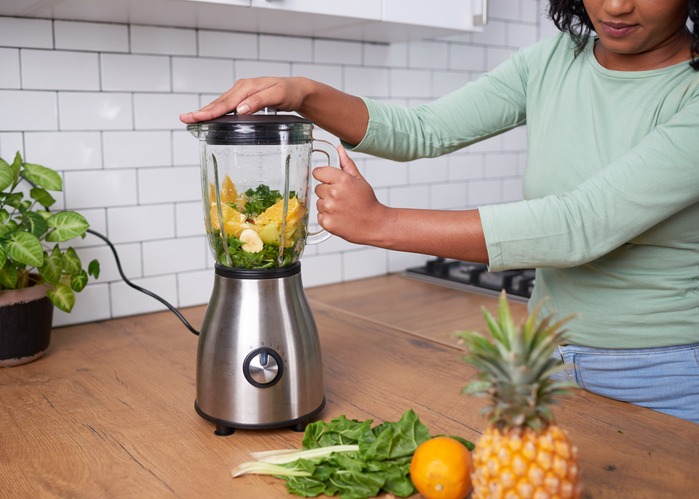
When selecting a blender, consider the motor wattage for handling tough ingredients. Higher wattage ensures high-speed performance, making it easier to crush ice and blend smoothies efficiently.
Motor Wattage Importance
Selecting a blender with the appropriate motor wattage is crucial for effectively handling tough ingredients and ensuring smooth, efficient blending. Motor wattage directly affects blending speed and efficiency. For basic tasks, a motor with at least 1000 watts is sufficient. However, for heavy-duty blending, such as crushing ice or processing fibrous vegetables, a motor with around 1500 watts is recommended. This higher power ensures smoother results without the blender struggling or overheating.
Choosing the right motor wattage can significantly enhance your kitchen experience. Here are some benefits:
- Tackles Tough Ingredients: Higher wattage allows you to blend hard items like ice and nuts effortlessly.
- Improves Blending Speed: More power results in faster blending, saving you time.
- Enhances Efficiency: A powerful motor ensures all ingredients are evenly blended, making your smoothies and soups consistently smooth.
- Handles Heavy-Duty Tasks: Blenders with 1000 watts or more are ideal for frequent, intense blending sessions without compromising performance.
High-Speed Performance
Here's a quick comparison to highlight the importance of choosing the right motor power:
| Power Range (Watts) | Performance Level | Best For |
|---|---|---|
| Below 1,000 | Low | Basic blending, soft ingredients |
| 1,000 - 1,500 | High-speed | Tough ingredients, ice crushing |
| Above 1,500 | Professional-grade | Heavy-duty, commercial use |
Selecting a blender within the 1,000-1,500 watt range ensures smooth textures, making it a reliable and versatile appliance in your kitchen.
Size and Capacity
Blenders range from 3 to 14 cups in capacity, so it's essential to evaluate your available storage space and usage requirements.
If you're limited on space or need a small appliance for quick tasks, a compact single-serve blender like the NutriBullet NBR-1201 is an excellent choice. It's small enough to fit in tight spaces but powerful enough for everyday use.
For those who often engage in meal prep or cook for larger groups, larger blenders such as the Ninja Professional Countertop Blender might be more suitable. These blenders come with bigger jars, allowing you to blend large quantities in one go, which is perfect for family-sized portions.
Here are some pointers to help you choose:
- Storage Space: Ensure your kitchen has enough space to accommodate the blender.
- Usage Needs: Determine whether a compact single-serve blender or a larger model better suits your needs.
- Frequency of Use: Consider how often you'll use the blender.
- Capacity: Match the blender's capacity with your meal prep requirements.
Choosing the right size and capacity will make your blending experience more efficient and enjoyable.
Speed and Controls
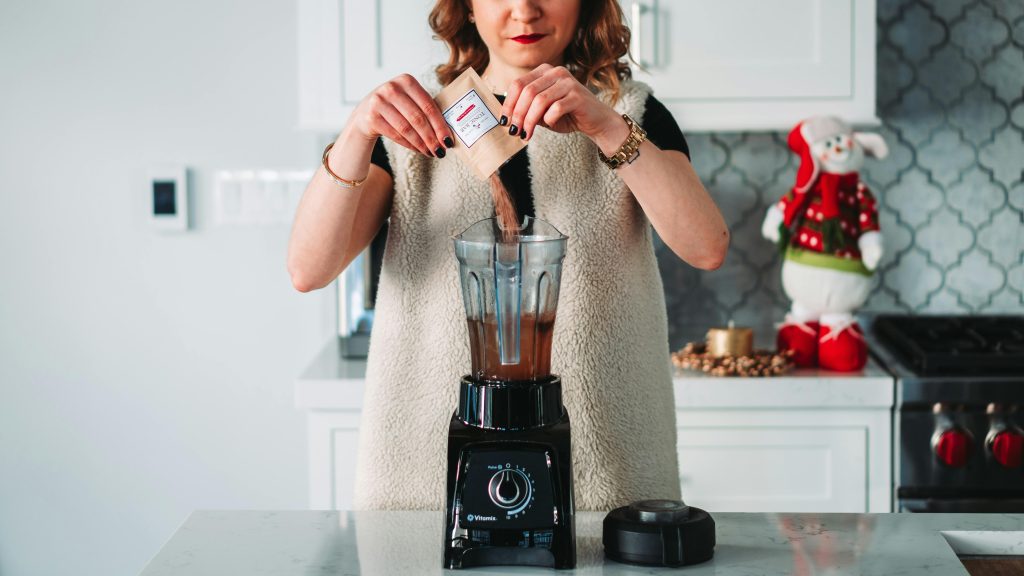
When evaluating a blender, it's important to consider the speed settings and controls to ensure it meets your culinary needs. Blenders typically offer a range of speed settings, usually between 3 to 10, which are essential for versatile blending tasks. Whether you're making smoothies, soups, or sauces, having multiple speed options allows you to achieve the ideal consistency for each recipe.
An important feature to look for is the pulse button, which provides greater control over the blending process. This function allows you to deliver short bursts of power, helping you achieve specific textures and consistencies.
In terms of motor power, a minimum of 1000 watts is generally sufficient for most household blending tasks, ensuring your blender can handle everything from soft fruits to tougher ingredients.
User-friendly controls are also important. Blenders come with various control types including touchpads, push buttons, and dial controls. Touchpads offer a sleek, modern look and are easy to clean, while dial controls provide precise speed adjustments. Push buttons are straightforward and reliable.
Features and Attachments
High-quality blenders come equipped with a variety of features and attachments designed to enhance their functionality and versatility. One crucial aspect to consider is adjustable speed controls, which enable you to tailor the blending speed to suit different ingredients. This feature is essential for achieving the desired texture and consistency, whether you're making a smoothie, soup, or sauce.
This feature is essential for achieving the desired texture and consistency, whether you're making a smoothie, soup, or sauce.
Tapered jars are another valuable feature, as they help create a vortex that pulls ingredients toward the blades, resulting in smoother blends. Additionally, a tamper can be indispensable for pushing down stubborn ingredients, ensuring that everything gets evenly blended.
Many top-tier blenders also offer pre-programmed settings for tasks such as crushing ice, making smoothies, or pureeing soups. These settings provide convenience and consistent results with the touch of a button.
For those who enjoy personal blending, consider blenders that come with additional attachments like personal cup adapters or stainless steel pitchers. These attachments add versatility, making the blender suitable for a wide range of tasks.
Budget Considerations
While it's exciting to consider all the features and attachments that can enhance your blending experience, it's equally important to think about your budget. Blenders can range from as low as $20 for basic models to over $600 for premium options. When choosing a blender, it's crucial to balance your budget with your needs.
There are various types of blenders designed for specific tasks. For example, if you need a blender for simple tasks like making smoothies, a budget-friendly option might be sufficient. However, if you're blending tougher ingredients or require advanced features, investing in a higher-priced model may be worthwhile. Our tests indicate that premium blenders generally offer better performance and durability.
Consider the type of blender that suits your kitchen needs. Features such as container material (glass vs. plastic jars), controls, speed settings, and power can influence the price.
Warranty and Durability
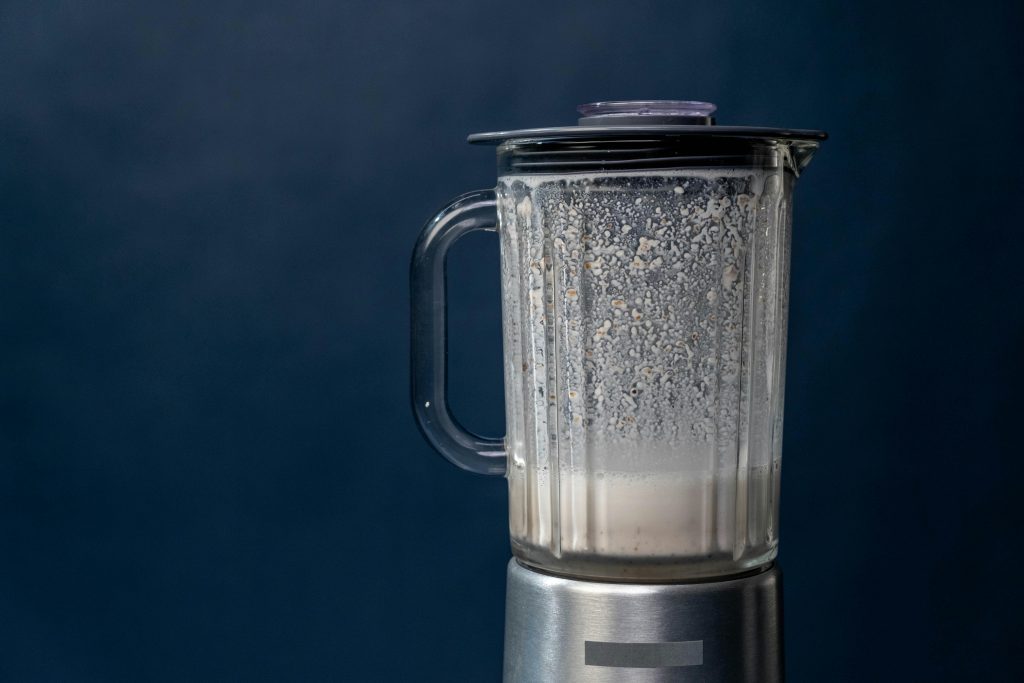
Selecting a blender with a warranty ranging from 1 to 7 years ensures durability and reliability. Warranties serve as a reliable indicator of the manufacturer's confidence in the product's quality and longevity. High-performance blenders often come with warranties between 5 to 7 years, reflecting their premium build and durability.
A substantial warranty can save you from future headaches and expenses, providing assurance and peace of mind. Premium blenders, known for their high performance and durability, usually offer extended warranties, reinforcing your confidence in the investment.
When evaluating warranties and durability, consider the following points:
- Length of Warranty: Longer warranties often signify a more durable and reliable product.
- Manufacturer's Confidence: Extended warranties indicate the manufacturer's trust in the blender's quality.
- High-Performance Models: These typically come with longer warranties due to their superior construction.
- Premium Blenders: Often feature extended warranties, underscoring their durability and longevity.
Frequently Asked Questions
How Do I Know Which Blender Is Best?
To determine which blender is best for you, consider the motor power, blade types, jar material, speed settings, and warranty duration. Ensure these features align with your specific blending needs for an optimal choice.
How Many Watts Should a Good Blender Have?
For general use, aim for a blender with at least 500 watts. If you frequently blend tougher ingredients like frozen fruits and ice, consider a blender with around 1000 watts. Higher wattage ensures smoother results and faster blending.
What Determines a Good Blender?
When choosing a blender, consider its power, durability, jar design, and control options. Look for at least 500 watts of power, a robust warranty, a thoughtfully designed jar, and flexible controls. Additional features and accessories can enhance the blender's versatility and functionality.
Conclusion
Choosing the right blender for your kitchen involves understanding your specific needs and preferences. Consider the type of blender that best fits your lifestyle, whether it's for smoothies, soups, or more versatile tasks.
Assess the power requirements based on what you plan to blend—higher power for tough ingredients like ice and nuts, and lower power for softer ingredients. Size is also crucial; ensure the blender fits both your counter space and storage options.
Look for intuitive controls and useful features that enhance usability, such as multiple speed settings and pulse functions. Balance these features with your budget to find the best value.