Should You Use a Hand Mixer or Stand Mixer?
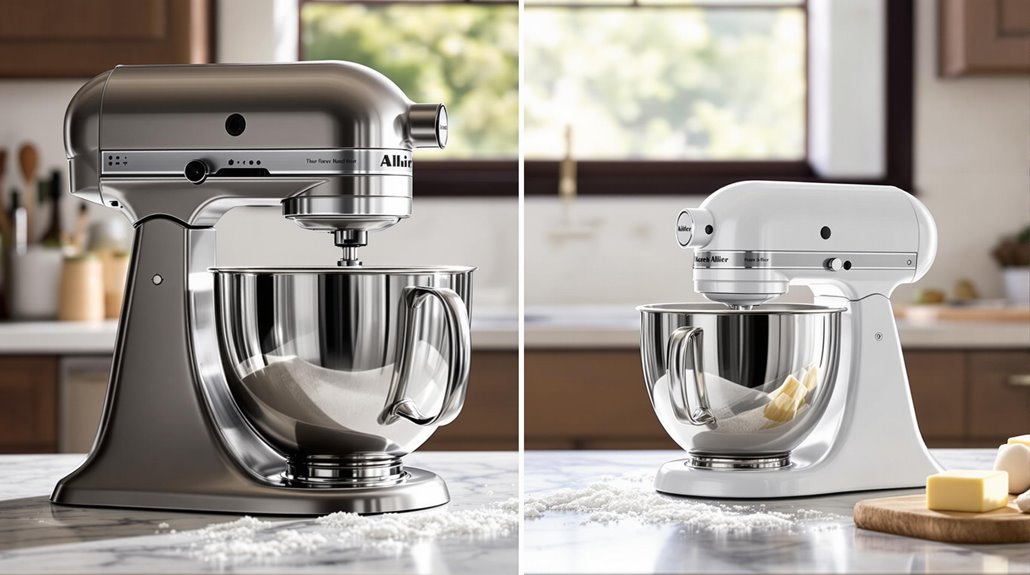
Your choice between a hand mixer and stand mixer depends on your specific needs. Hand mixers are ideal if you have limited space, a smaller budget, or mainly do light mixing tasks like whipping cream and beating eggs. Stand mixers excel at heavy-duty jobs like kneading dough and offer hands-free operation with more power and attachments. By understanding each mixer's strengths, you'll uncover which option best fits your kitchen and baking style.
Key Differences Between Hand and Stand Mixers
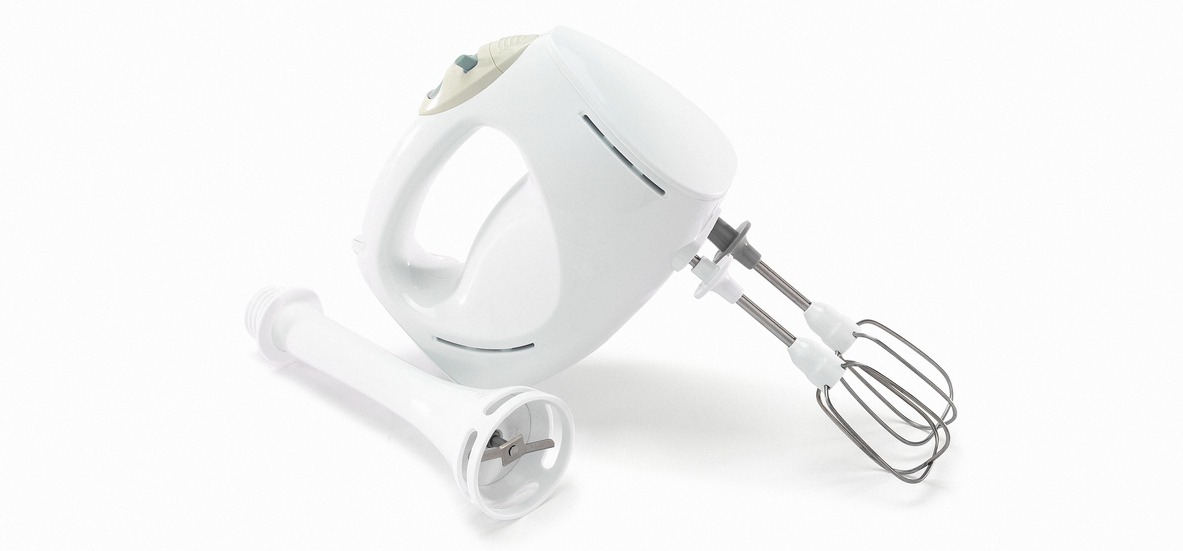
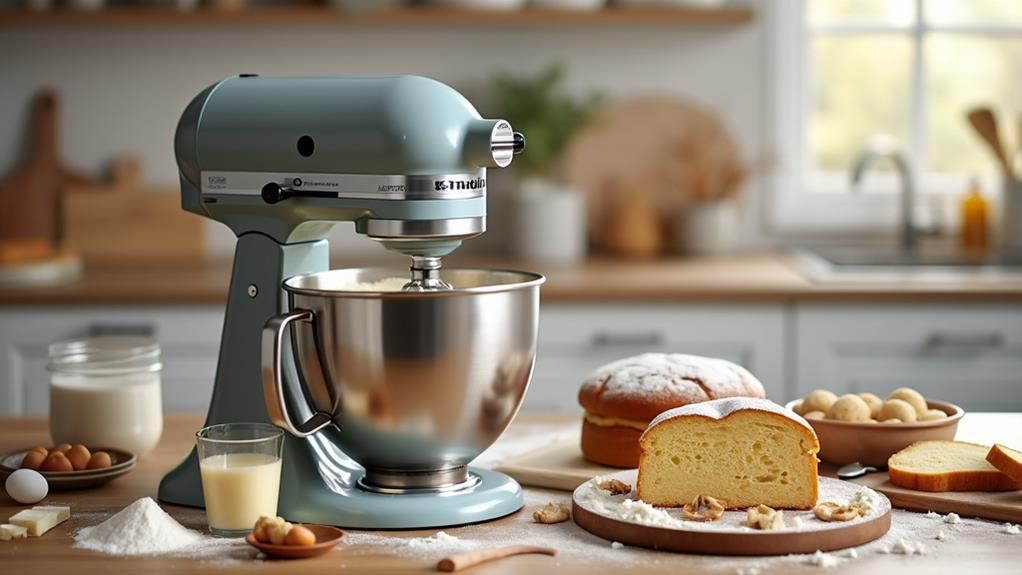
The fundamental differences between hand and stand mixers extend far beyond their physical appearance. Hand mixers are lightweight, portable tools that you'll easily store in a cabinet, while stand mixers are hefty appliances that typically claim permanent counter space.
When it comes to power and versatility, stand mixers take the lead with superior strength, multiple speed settings, and specialized attachments perfect for kneading dough and other demanding tasks.
Your budget will greatly influence your choice, as hand mixers are more affordable but offer fewer features. Stand mixers represent a bigger investment but deliver professional-grade performance and durability.
If you're short on kitchen space or only need occasional mixing power, a hand mixer might be your best bet. However, if you're serious about baking and value automated convenience, a stand mixer's capabilities justify the expense.
Stand mixers also excel at handling large batch sizes with bowl capacities ranging from 4.5 to 7 quarts for home bakers.
Power and Performance Features Compared
When comparing power capabilities, stand mixers clearly outperform their handheld counterparts with sturdy motors and broader speed ranges. You'll find they're particularly effective for heavy-duty tasks like kneading bread dough or mixing large batches of cookie batter.
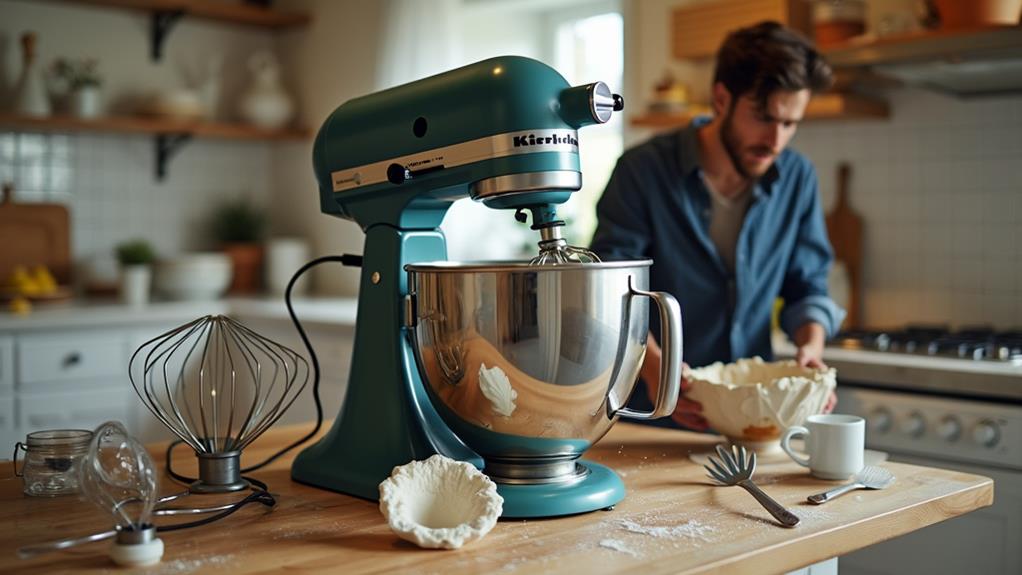
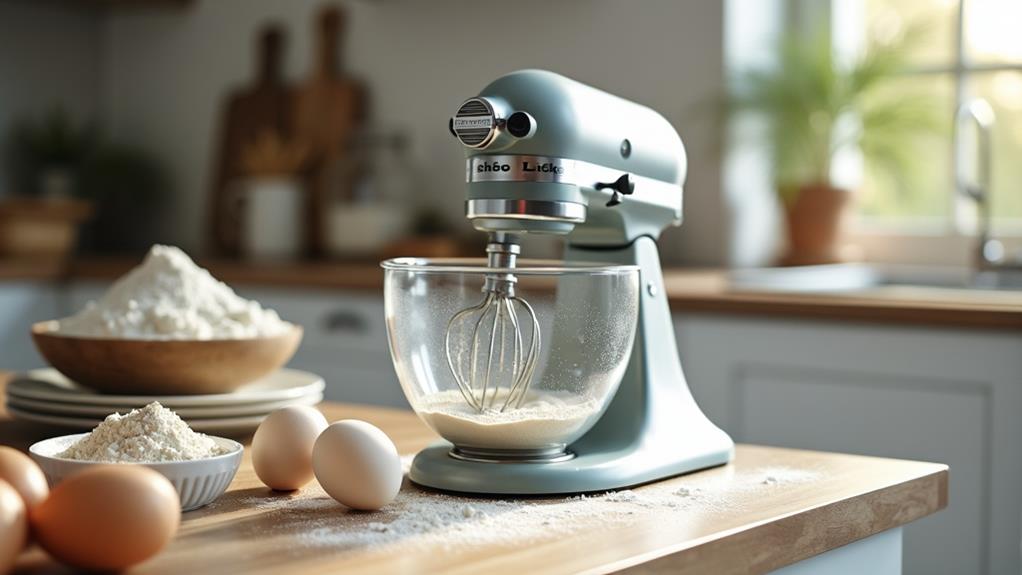
While modern hand mixers have improved in power, they're best suited for lighter tasks like whipping cream or beating eggs. You'll appreciate their efficiency for these quick mixing jobs, but they may struggle with more demanding recipes. Stand mixers offer superior versatility through their various attachments - from dough hooks to whisks and paddles. Plus, their automated mixing action lets you focus on other kitchen tasks while they work.
The performance difference becomes most noticeable when you're working with thick doughs or need extended mixing times, where stand mixers maintain consistent speed and power throughout.
Stand mixers provide up to 10 speeds for precise control over mixing intensity and consistency.
Space and Storage Considerations
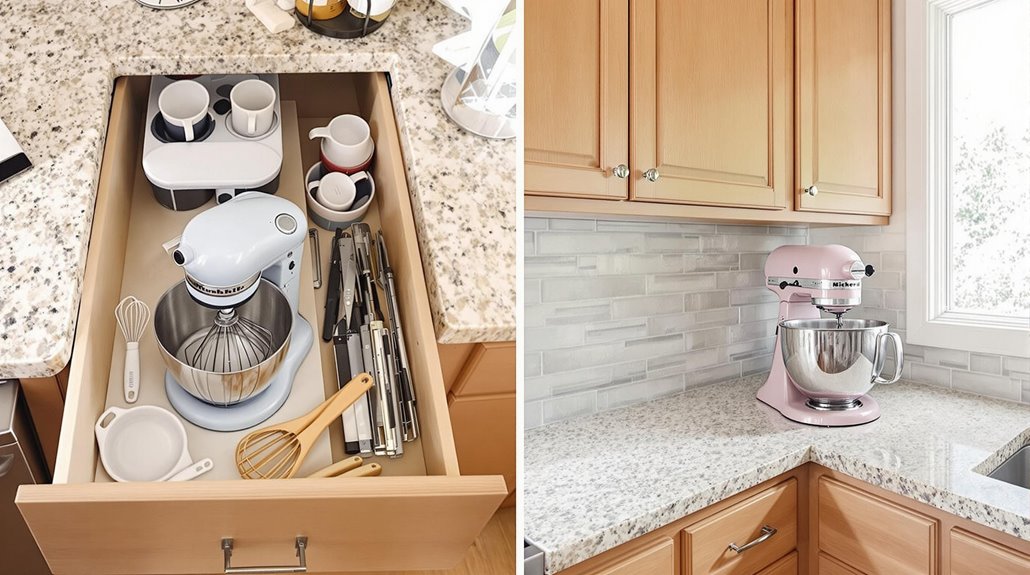
Since kitchen real estate comes at a premium, you'll need to carefully consider your available space before choosing between these mixers. When comparing hand mixers and stand mixers, size and storage requirements play an essential role in your decision.
Hand mixers are ideal for smaller kitchens, as they're compact and lightweight enough to store in drawers or cabinets. If you're a home baker with limited counter space, you'll appreciate their portability and minimal storage needs.
However, if you have ample space and frequently make larger batches, a stand mixer might be worth the real estate it occupies on your counter. Keep in mind that stand mixers are permanent fixtures that demand dedicated counter space. Stand mixers typically require 14 to 16 inches of counter space in both width and depth. Your kitchen's layout and storage capacity should guide your choice between these two kitchen appliance options.
Best Uses for Each Type of Mixer
Every baker needs the right tool for specific mixing tasks, and choosing between hand and stand mixers depends largely on what you're making. Hand mixers excel at quick jobs like whipping cream, beating eggs, or mixing light batters right in your mixing bowl. You'll appreciate their maneuverability and ease of use for smaller projects.
When it comes to heavy-duty tasks like kneading bread or making large batches of cookie dough, you'll want a stand mixer's power and hands-free operation. Stand mixers offer versatile attachments for various kitchen tasks beyond mixing, from shredding cheese to grinding meat. While both tools have their pros and cons, your choice should align with your baking habits. If you regularly tackle demanding recipes or large quantities, a stand mixer's capabilities make it worth the investment.
Making the Right Choice for Your Kitchen
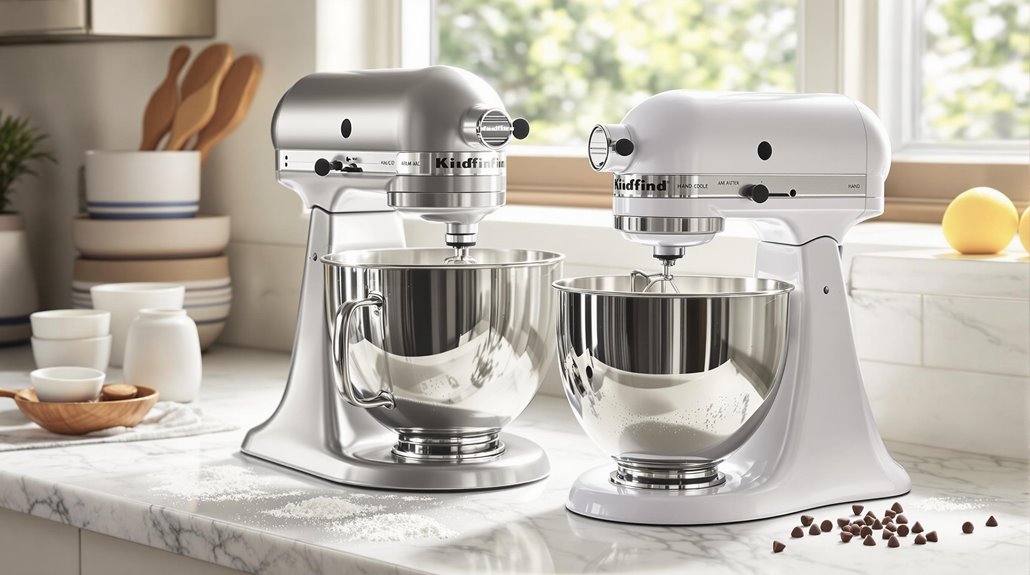
Making an informed choice between a hand mixer and stand mixer starts with evaluating your kitchen's constraints and cooking habits. You'll want to ponder your available kitchen space, budget, and specific baking needs before making your decision.
If you're short on counter space but still need mixing power for occasional baking and whipping cream, a hand mixer offers the perfect balance of functionality and storage efficiency. For frequent baking and dough kneading, a stand mixer's power and versatility make it worth the consideration and space requirements.
Deliberate your budget carefully - while hand mixers are more affordable, stand mixers offer superior speed settings and attachment accessories for advanced baking. If storage isn't an issue and you love baking, having both types gives you maximum flexibility for all your mixing tasks.