Is It Worth Getting a Food Processor?
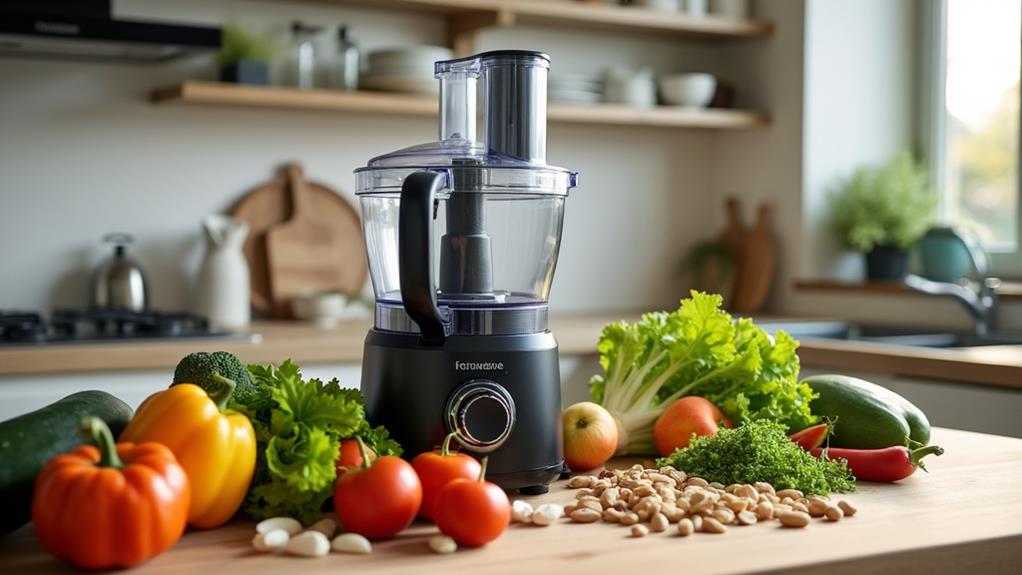
When considering whether a food processor is a worthwhile investment, it's essential to weigh its benefits against the initial cost. This versatile appliance can save you significant prep time by efficiently chopping, slicing, and shredding ingredients. It also promotes healthier eating by making homemade meals more accessible. However, before deciding, consider how often you'll use it and the space it will occupy in your kitchen. How does it align with your current cooking habits and needs? Evaluate these factors carefully to make an informed choice.
Food Processor Basics
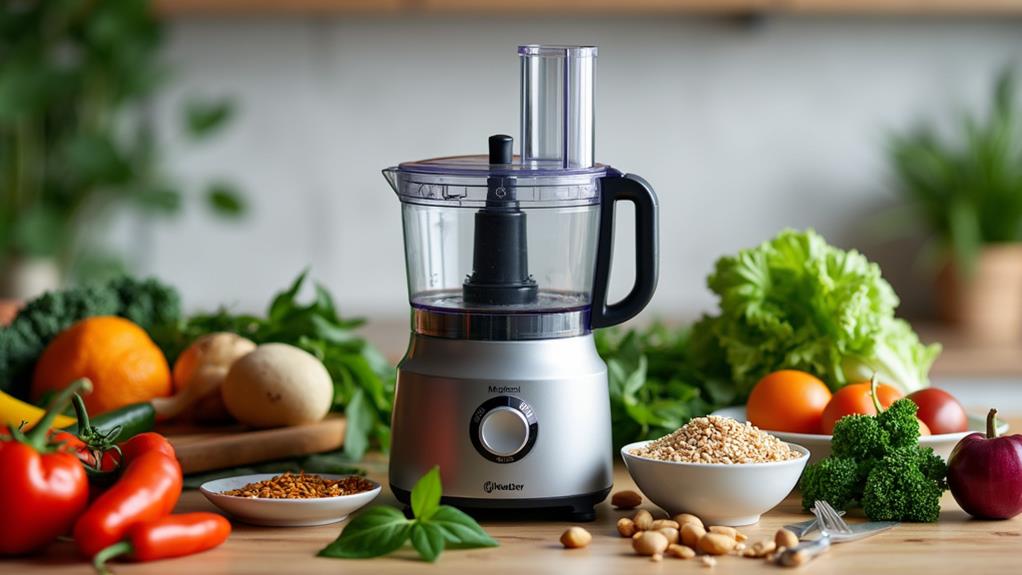
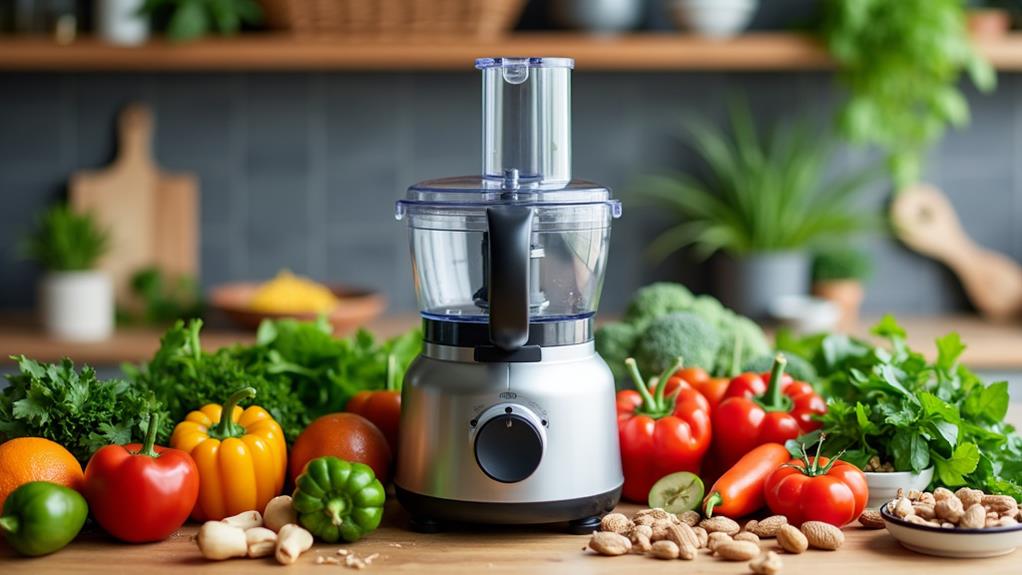
Why consider a food processor for your kitchen? A food processor can revolutionize your meal prep routine. Equipped with a bowl, removable lid, base with a motor, and sharp blades, it's designed to handle a range of food prep tasks efficiently. Whether you're chopping, slicing, shredding, or grinding, this versatile appliance can significantly reduce your time in the kitchen.
Imagine prepping a week's worth of meals in a fraction of the time. With a food processor, batch cooking becomes effortless. Chopping large quantities of vegetables or shredding cheese for multiple recipes is no longer an intimidating task. The powerful motor and sharp blades ensure precise cuts, giving you consistent results every time.
Moreover, if you love making dips, sauces, or nut butters, a food processor offers unparalleled control over texture and consistency. No more store-bought alternatives; you can create fresh, homemade versions tailored to your taste. From silky-smooth hummus to creamy almond butter, the possibilities are endless.
Basic models focus on fundamental tasks, while advanced versions come with attachments for specific functions, like dough mixing. Regardless of which model you choose, a food processor is a valuable addition to any kitchen.
Benefits of Owning One
Owning a food processor can significantly enhance your kitchen experience by simplifying various cooking tasks. Imagine drastically reducing meal prep time—chopping vegetables or making dips in seconds instead of minutes. This efficiency is especially beneficial during batch cooking or when preparing quick weeknight dinners. A food processor's versatility, with its array of attachments, allows you to seamlessly switch between slicing, shredding, and mixing.
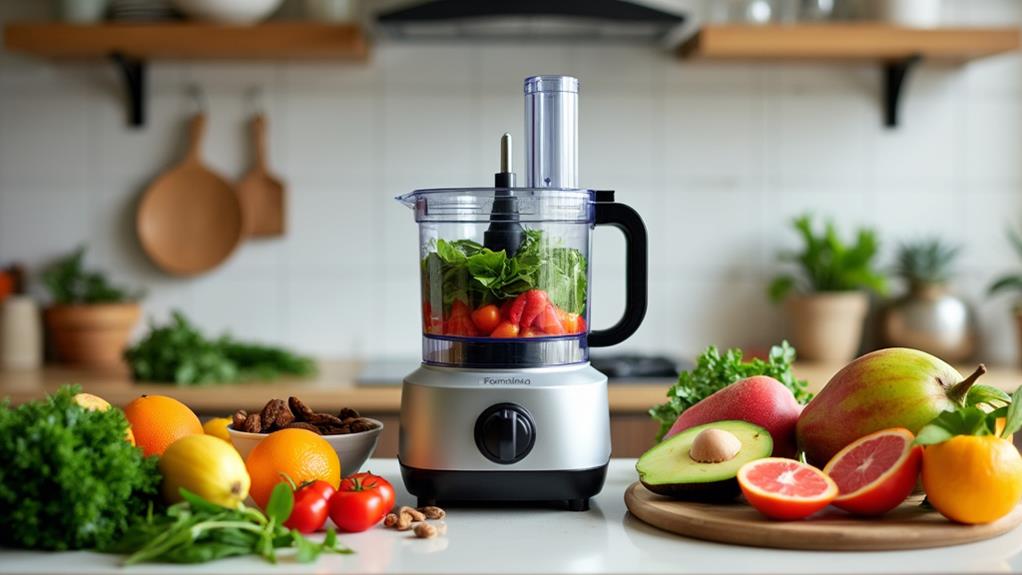
A food processor also encourages healthier eating habits by making it easier to prepare whole foods at home. You can effortlessly create homemade nut butters or sauces, cutting down on the need for store-bought options that often contain preservatives and additives. This not only improves your health but also saves you money.
Moreover, a food processor consolidates multiple functions into one appliance, reducing the need for various kitchen tools. This makes cooking more efficient and keeps your kitchen less cluttered.
Here's a quick comparison to illustrate these benefits:
| Benefit | Description | Example Task |
|---|---|---|
| Time Savings | Speeds up meal prep | Chopping vegetables |
| Versatility | Offers a range of attachments | Shredding cheese |
| Healthier Eating Habits | Makes it easier to prepare whole foods | Making nut butters |
| Efficiency | Combines multiple functions into one tool | Mixing dough, slicing veggies |
Common Usage Scenarios
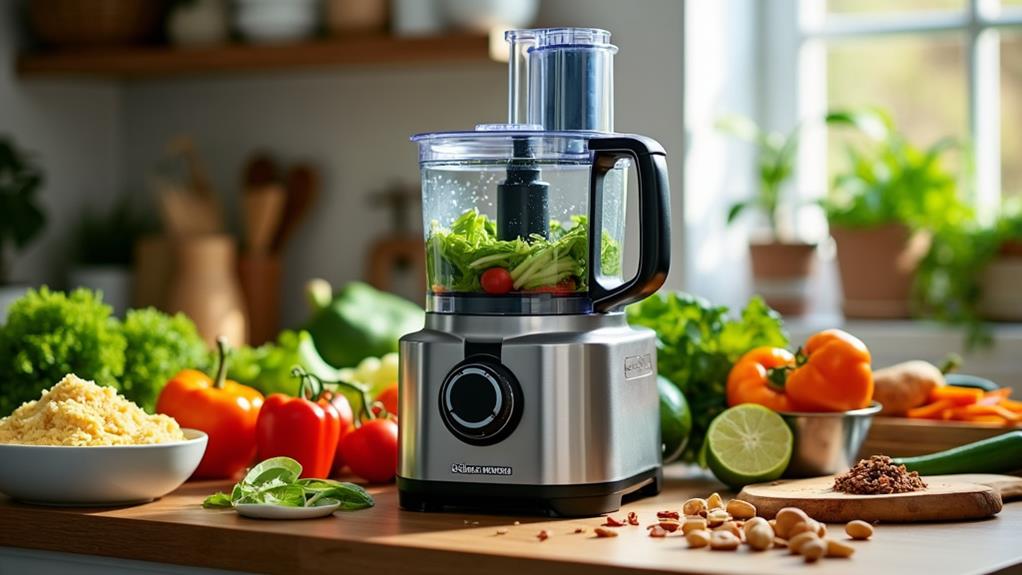
A food processor is undeniably a transformative tool in the kitchen, and its common usage scenarios highlight its worth as an investment. Imagine cutting butter into flour for pie crusts or biscuit dough in seconds, significantly reducing your prep time. Whether you're using a full-sized or mini food processor, this appliance effortlessly streamlines baking tasks.
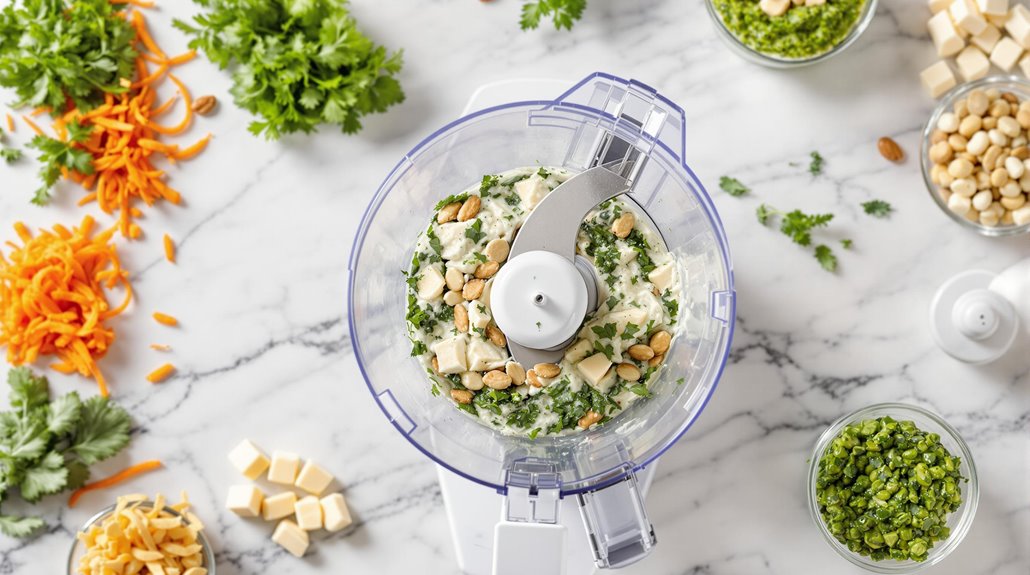
Meal prep becomes straightforward with a food processor. From efficiently preparing cauliflower rice or falafel to finely chopping garlic and ginger, you'll save both time and effort. Consider the ease of making dips and spreads like hummus and pesto in a fraction of the time it would take manually. This versatility makes a food processor worth every penny.
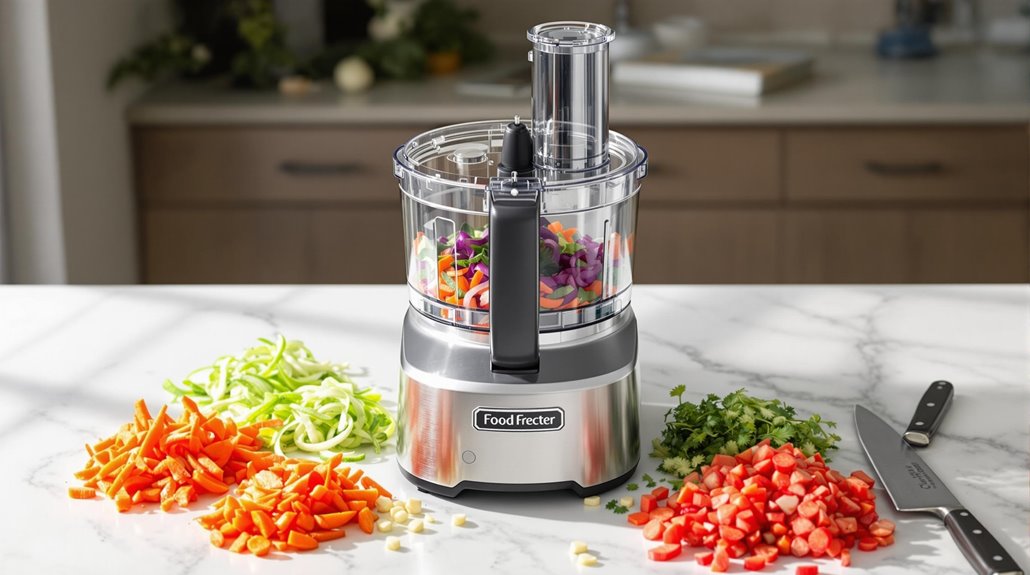
Shredding cheese or slicing vegetables is another area where food processors excel. Instead of wasting time and risking injury with a manual grater, you can let the food processor handle these tasks quickly and safely. The consistency and speed it offers are unparalleled, making it a go-to appliance for any kitchen.
Considerations Before Purchase
Before purchasing a food processor, it's crucial to consider several factors to ensure it meets your needs. Start by assessing how frequently you'll use it. If you cook regularly and aim to save time on meal preparation, a food processor can be a valuable investment. For instance, quality models like the Cuisinart 14-cup processor, priced around $160, offer durability and efficiency.
Next, evaluate your kitchen's available storage and counter space. Food processors can occupy considerable room, so ensure you have adequate space to accommodate one. If space is limited or you primarily cook for one or two people, a mini food processor might be a more suitable option.
Consider whether the time savings and convenience align with your cooking habits and lifestyle. A food processor can significantly reduce prep time, but this benefit is realized only if you use it consistently.
Here's a quick checklist to help you decide:
- Frequency of Use: How often will you use it for meal preparation?
- Space Availability: Do you have the counter space and storage for it?
- Cooking Habits: Does it fit with how you cook and prepare meals?
Taking these factors into account will help you determine if a food processor is a worthwhile investment for your kitchen.
Final Thoughts
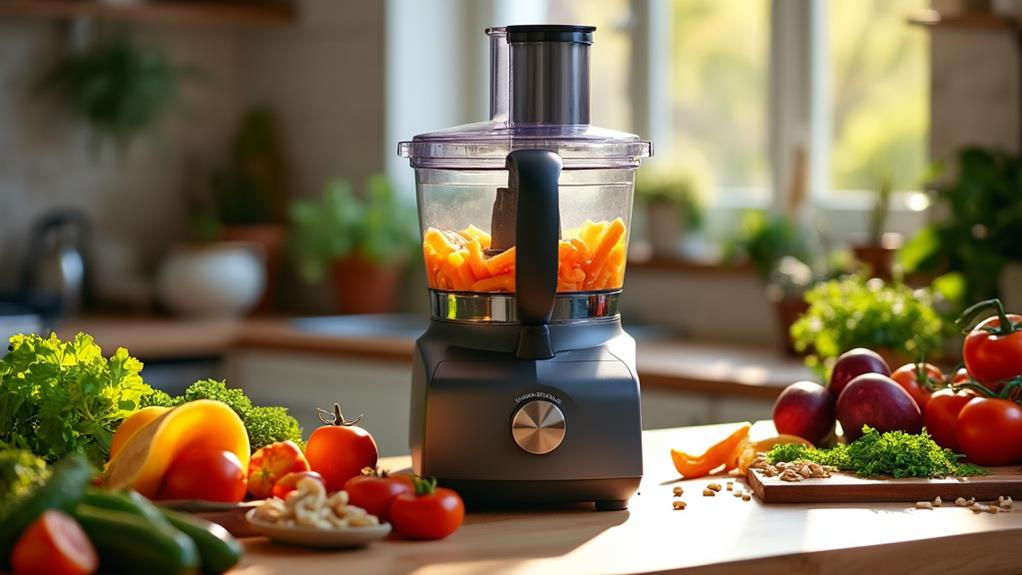
After evaluating the essential considerations for purchasing a food processor, it is evident that this appliance can revolutionize your kitchen experience. A food processor significantly reduces meal preparation time, enabling you to chop, slice, and dice in seconds. This efficiency can help you adhere to a cooking schedule, particularly if you enjoy batch-prepping meals.
Investing in a high-quality model, such as the Cuisinart 14-cup food processor, which costs around $160, may seem expensive initially. However, this investment can yield long-term savings by diminishing your dependence on pre-packaged foods. Additionally, a food processor is highly versatile, capable of handling multiple kitchen tasks and reducing the need for various other gadgets, thereby simplifying cleanup.
Owning a food processor can also promote healthier cooking habits. By making it more convenient to prepare whole foods and homemade dishes, you're more likely to choose healthier options and reduce your intake of processed foods. For those who frequently cook or engage in batch preparation, a food processor not only streamlines the process but also enhances the overall cooking experience.