How to Use a Blender for DIY Cleaning Solutions?
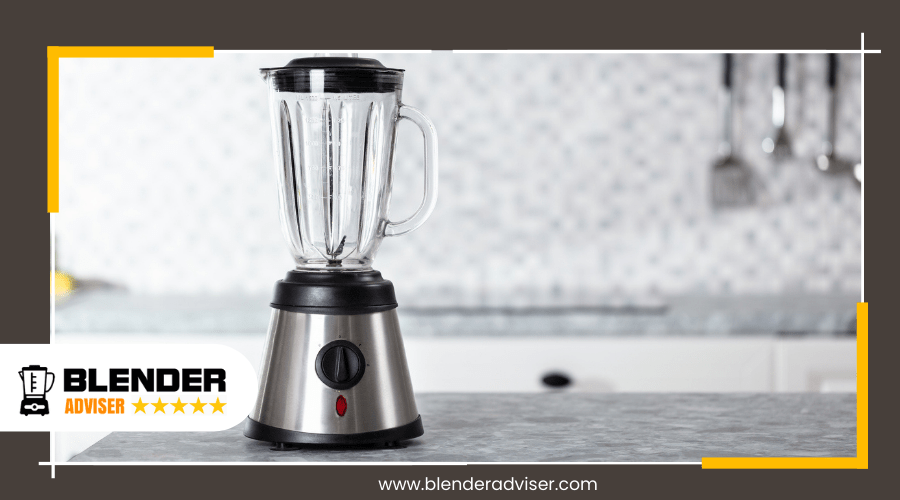
Blenders are not just for smoothies and soups—they can also be a powerful tool in your cleaning arsenal. Creating your own DIY cleaning solutions at home is an eco-friendly and cost-effective way to maintain a spotless living space. Using a blender to mix these solutions ensures that the ingredients are thoroughly combined, providing you with effective and natural cleaners.
Want to make an all-purpose cleaner or a bathroom scrub using your blender? Follow these steps and tips to maximize the potential of this versatile kitchen appliance.
Key Takeaways
- Select a high-speed blender with durable stainless steel blades and variable speed settings for optimal performance.
- Properly cut and prepare ingredients, then blend in short bursts to ensure even mixing.
- Use essential ingredients like vinegar, baking soda, and lemon juice to create effective DIY cleaning solutions.
- After each use, clean the blender thoroughly with hot water and dish soap to maintain hygiene.
- Never blend hot liquids in sealed containers to prevent accidents.
Essential Ingredients
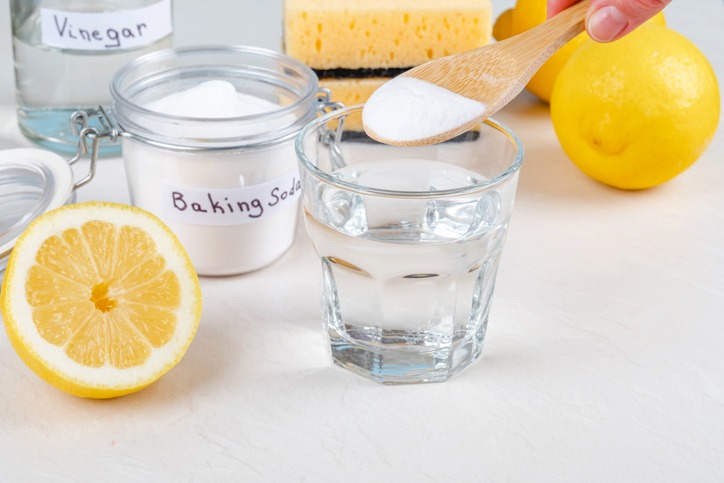
To create effective DIY cleaning solutions, you'll need essential ingredients like white vinegar, baking soda, lemon juice, rubbing alcohol, and liquid soap. These household staples are cost-effective and free from harmful chemicals, making them safe for your home.
White vinegar serves as a natural disinfectant and deodorizer. When mixed with hot water, it effectively cleans windows and countertops.
Baking soda acts as a mild abrasive and deodorizer, ideal for scrubbing surfaces without causing scratches. Combining baking soda with lemon juice amplifies its cleaning power, adding a fresh scent and antibacterial properties.
Rubbing alcohol is essential for streak-free cleaning, especially for mirrors and glass surfaces. For an all-purpose cleaner, mix rubbing alcohol with liquid soap and hot water.
Liquid soap is versatile and can be used in various cleaning solutions to sanitize different household surfaces.
To mix these ingredients efficiently, consider using a food processor for a thorough blend, enhancing the effectiveness of your DIY cleaner. By choosing these natural ingredients, you avoid harmful chemicals and maintain a clean, fresh home.
Choosing the Right Blender
Selecting the right blender is essential for creating effective DIY cleaning solutions with the perfect consistency. Opt for a high-speed blender with a powerful motor to efficiently blend tougher ingredients like soap or citrus peels.
Durable stainless steel blades are essential. They can handle various cleaning solution components, ensuring a smooth mixture every time.
Variable speed settings are also important, offering control over the blending process to achieve the desired consistency for different tasks.
Consider a blender with a large capacity jar. This feature allows you to mix larger batches, saving time and effort—especially useful when preparing big batches of floor cleaner or all-purpose spray.
Lastly, choose a blender with a self-cleaning function. This makes maintenance quick and easy, allowing you to focus on creating effective cleaning solutions rather than on cleanup.
Safety Precautions
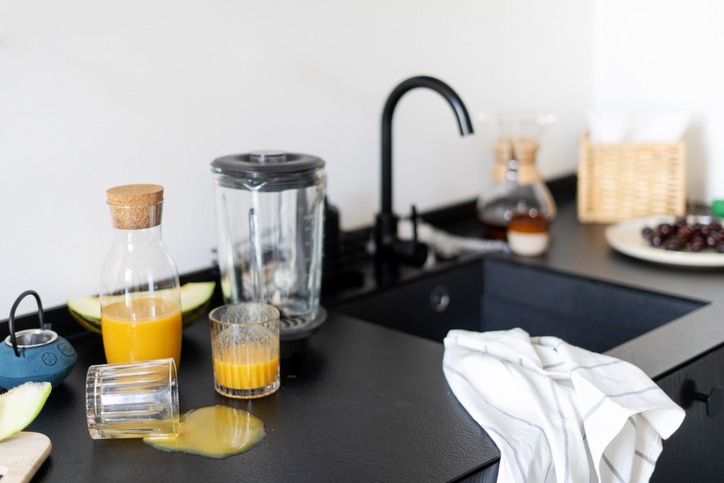
Using a blender to create DIY cleaning solutions can be convenient and effective, but it’s important to follow safety precautions to ensure your safety and the longevity of your blender.
Here's a quick safety checklist:
| Safety Tip | Why It's Important | How to Implement It |
|---|---|---|
| Unplug before cleaning | Prevent electrical accidents | Always unplug after each use |
| Keep base dry | Avoid water damage | Wipe the base with a dry cloth |
| Handle blades carefully | Prevent cuts and injuries | Use a brush or gloves |
| Store out of reach of children | Prevent accidents | Place on a high shelf |
| Avoid hot liquids in sealed jar | Prevent pressure buildup | Let liquids cool before blending |
All-Purpose Cleaner
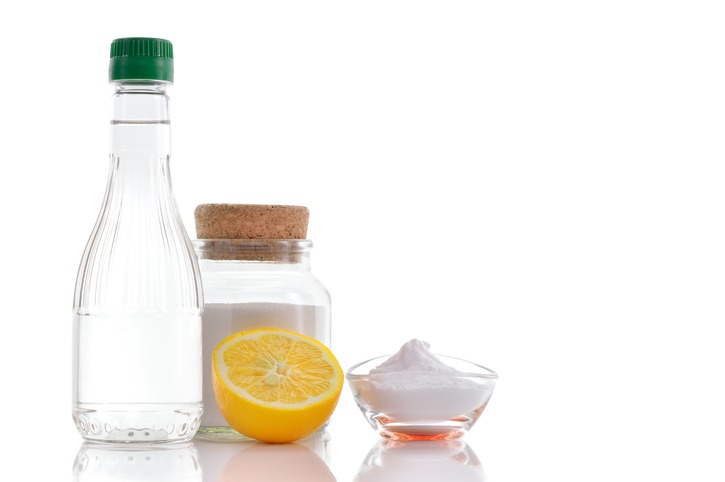
Creating your own all-purpose cleaner with a blender is simple, cost-effective, and eco-friendly. This versatile cleaner can be used on various surfaces throughout your home, helping you maintain a fresh and clean environment. Here’s a step-by-step guide to making your own all-purpose cleaner:
Ingredients:
- 1 cup distilled water
- 1 cup white vinegar
- 1 tablespoon baking soda
- 1 teaspoon liquid dish soap (preferably eco-friendly)
- 10-15 drops of essential oils (optional, for fragrance) - popular choices include lemon, lavender, or tea tree oil
Equipment:
- Blender
- Measuring cups and spoons
- Funnel
- Spray bottle (16 oz or larger)
- Mixing bowl (optional)
Instructions:
- Prepare the Ingredients:
- Measure out 1 cup of distilled water and 1 cup of white vinegar.
- Measure 1 tablespoon of baking soda.
- Measure 1 teaspoon of liquid dish soap.
- If using essential oils, count out 10-15 drops of your chosen scent.
- Mix the Solution:
- In a mixing bowl, combine the water and vinegar. If you prefer, you can add the water and vinegar directly to the blender.
- Slowly add the baking soda to the water-vinegar mixture. Adding it slowly will help control the fizzing reaction between the vinegar and baking soda.
- Add the liquid dish soap to the mixture.
- If using, add the essential oils.
- Blend the Solution:
- Pour the mixture into the blender.
- Blend on a low setting for about 15-20 seconds to ensure all ingredients are well-mixed. Be cautious of the fizzing from the baking soda and vinegar reaction.
- Transfer to Spray Bottle:
- Using a funnel, carefully pour the blended solution into a clean spray bottle.
- Secure the spray bottle cap and gently shake to mix the contents one final time.
- Label and Store:
- Label the spray bottle with the contents and date.
- Store the all-purpose cleaner in a cool, dark place.
Glass and Window Cleaner
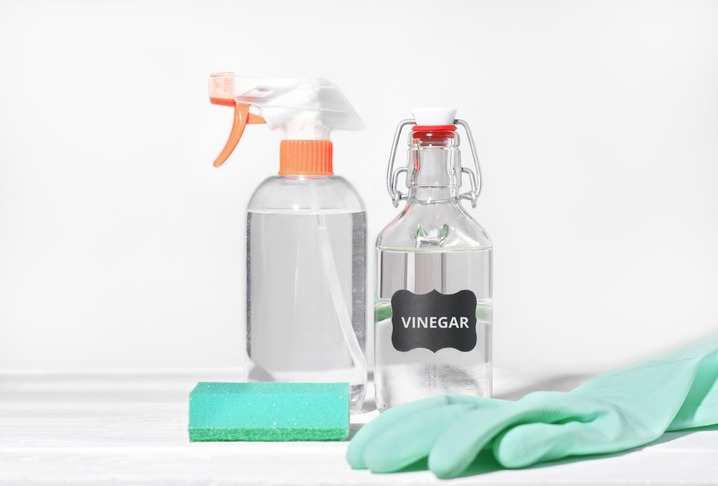
To make an effective glass and window cleaner, combine rubbing alcohol, white vinegar, cornstarch, and warm water.
For a streak-free shine, add lemon juice.
Apply using crumpled newspaper or a natural linen cloth for best results.
Ingredients and Measurements
Creating an effective DIY glass and window cleaner is simple with just a few household ingredients: rubbing alcohol, white vinegar, cornstarch, and warm water. Here's what you'll need:
- 1 cup of rubbing alcohol: This helps the cleaner evaporate quickly, reducing streaks and spots.
- 1 cup of white vinegar: Vinegar cuts through grease and grime, making your windows sparkle.
- 1 tablespoon of cornstarch: Cornstarch acts as a gentle abrasive that helps remove dirt without scratching the glass.
- 2 cups of warm water: Warm water helps dissolve the cornstarch and integrates well with the other ingredients.
Now that you've gathered your ingredients, let's blend them into an effective glass and window cleaner. Start by combining equal parts rubbing alcohol and white vinegar in a container. Then, add a tablespoon of cornstarch. Mix the ingredients until they're well-blended.
If you prefer a natural option, you can mix fresh lemon juice with water instead. Both solutions are cost-effective and environmentally friendly, ensuring you get sparkling windows without harsh chemicals.
Once your cleaner is ready, pour it into a spray bottle for easy application. Spray the solution directly onto your glass surfaces. To achieve a streak-free shine, use crumpled newspaper or a natural linen cloth to wipe the windows. The newspaper's texture helps remove grime without leaving lint, while linen provides a smooth finish.
Remember to keep your space well-ventilated when using any cleaning solutions, even homemade ones. This prevents you from inhaling any potentially harmful fumes.
Kitchen Degreaser
When you're ready to tackle kitchen grease, mix equal parts of white vinegar and water to create a powerful degreaser. This simple solution effectively cuts through stubborn grime. To boost its cleaning power, add a few drops of dish soap and some essential oils like lemon or tea tree, which also leave a fresh scent.
Blend the mixture for 1-2 minutes until well combined. Transfer the homemade degreaser to a spray bottle for easy application. Spray it directly onto stovetops, countertops, and other greasy surfaces. Let it sit for a few minutes, then wipe away the grease with a clean cloth.
Here's a quick summary of the steps:
- Ingredients: Equal parts white vinegar and water, a few drops of dish soap, and essential oils (lemon or tea tree).
- Blending: Combine the ingredients and blend for 1-2 minutes.
- Application: Pour the mixture into a spray bottle.
- Usage: Spray on greasy surfaces, let sit, and wipe clean.
Using this natural and affordable cleaner, you can effectively tackle tough kitchen grease without resorting to harsh chemicals.
Bathroom Scrub
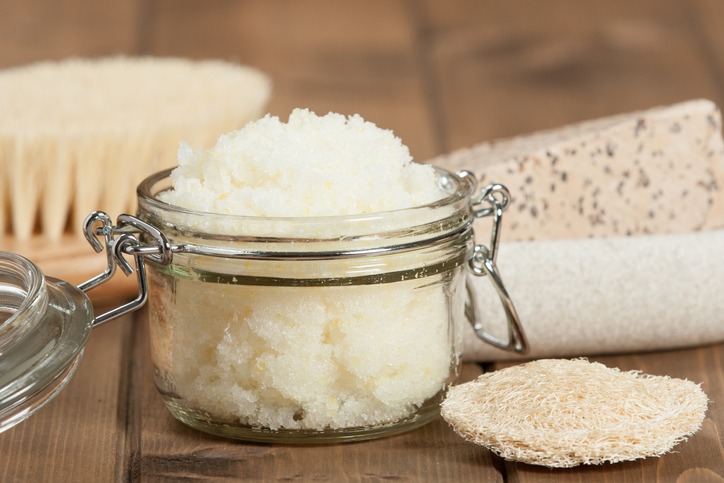
To create a natural bathroom scrub, combine baking soda, liquid soap, and essential oils. Mix these ingredients until you achieve a paste-like consistency.
This scrub is ideal for cleaning tubs, sinks, and tiles, leaving them sparkling clean.
Essential Cleaning Ingredients
For an effective DIY bathroom scrub, you'll need key ingredients like baking soda, vinegar, and essential oils. These natural and safe ingredients work together to break down soap scum, grime, and stains, leaving your bathroom sparkling clean.
Baking soda acts as a gentle abrasive cleaner, perfect for scrubbing tough spots without scratching surfaces. Vinegar serves as a natural disinfectant and deodorizer, dissolving mineral deposits and killing bacteria. Essential oils add a pleasant fragrance and offer additional cleaning properties, depending on your choice.
Here's a quick rundown of what you'll need:
- Baking Soda: Provides a gentle abrasive texture.
- Vinegar: Acts as a natural disinfectant and deodorizer.
- Essential Oils: Adds fragrance and extra cleaning power.
- Water: Helps form the paste and dilute the vinegar.
These ingredients collectively ensure a thorough and effective cleaning solution for your bathroom.
Laundry Detergent
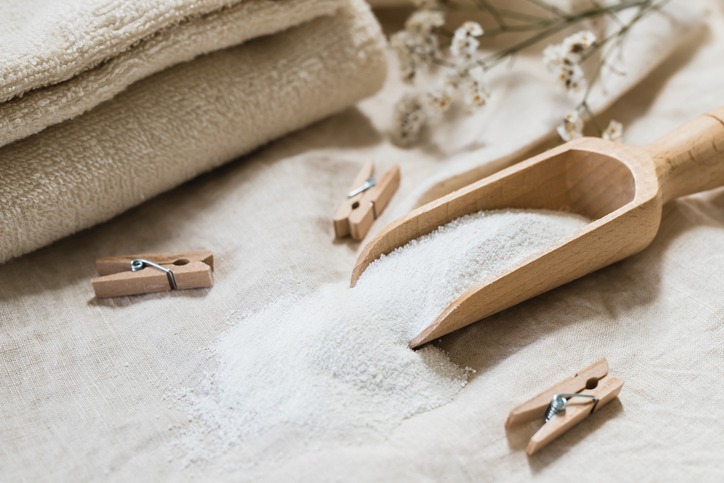
Creating your own laundry detergent is both environmentally friendly and cost-effective. Using a blender, you can make either powder or liquid detergent.
For powder detergent, you'll need Borax, washing soda, Fels-Naptha soap, and optionally, Oxi Clean and fabric softener beads.
For liquid detergent, gather hot tap water, Fels-Naptha soap, Arm & Hammer Super Washing Soda, Borax, and optionally, essential oils.
To make powder detergent, finely grate the Fels-Naptha soap using a blender. Mix it with Borax, washing soda, and any optional ingredients.
For liquid detergent, dissolve the grated Fels-Naptha soap in hot water before blending it with washing soda and Borax.
Benefits of DIY laundry detergent include:
- Phosphate-free: Gentle on the environment.
- Reduced chemical exposure: Avoids harsh chemicals found in commercial products.
- Sustainable packaging: Reuse and recycle containers like old milk jugs and canning jars.
- Cost savings: More economical in the long run.
Carpet Freshener
Transform your carpets with a DIY freshener by combining baking soda and essential oils for a natural and effective odor eliminator. Start by placing one cup of baking soda in your blender. Add 10-15 drops of your favorite essential oil, such as lavender, citrus, or peppermint. Blend until the mixture is thoroughly combined. This simple solution effectively tackles tough odors without harsh chemicals.
To use, sprinkle the homemade carpet freshener generously over your carpets. Allow it to sit for 15-20 minutes to absorb odors. Then, vacuum thoroughly to reveal a refreshed and clean scent. Regular use of this carpet freshener will help maintain a clean, odor-free environment.
Here's a quick reference for different essential oils and their benefits:
| Essential Oil | Scent | Benefit |
|---|---|---|
| Lavender | Floral | Calming and relaxing |
| Citrus | Fresh and zesty | Energizing and uplifting |
| Peppermint | Cool and minty | Invigorating and stimulating |
Store any remaining carpet freshener in an airtight container for future use. This method is cost-effective, eco-friendly, and a smart choice for maintaining a healthy home.
Cleaning the Blender
Maintaining a clean blender is crucial for its efficient operation and hygiene. After using your blender, follow these steps for proper cleaning:
- Fill the Blender: Add hot water until it's about two-thirds full, along with a few drops of dish soap.
- Blend: Run the blender for about three minutes to loosen any residue.
- Rinse: Thoroughly rinse the blender jar with clean water to eliminate soap residue.
- Dry: Place the blender jar upside down to air dry, ensuring complete dryness and preventing water buildup.
This method ensures your blender remains clean and ready for future use.
Conclusion
By making your own cleaners, you have complete control over the ingredients, ensuring that your cleaning products are safe for your family and the environment. Whether you're blending all-purpose cleaners with natural ingredients or concocting specialized solutions for different surfaces, a blender can help you achieve a well-mixed, effective product every time.
By following the steps and safety precautions outlined in this guide, you can confidently create a variety of cleaning solutions tailored to your needs. Not only will you save money and reduce waste, but you'll also enjoy the satisfaction of using homemade, non-toxic cleaners.
Happy cleaning!