How to Safely Use a Blender With Hot Liquids?
Blenders are versatile kitchen appliances that are commonly used to blend a variety of ingredients to make smoothies, sauces, soups, and more. While blenders are typically used with cold or room temperature ingredients, they can also work well with hot liquids. However, it can raise some safety concerns that should be addressed to prevent accidents or injuries. In this guide, we will discuss some important tips and precautions for safely using a blender with hot liquids to help you minimize risks and blend with confidence.
Understanding the Risks
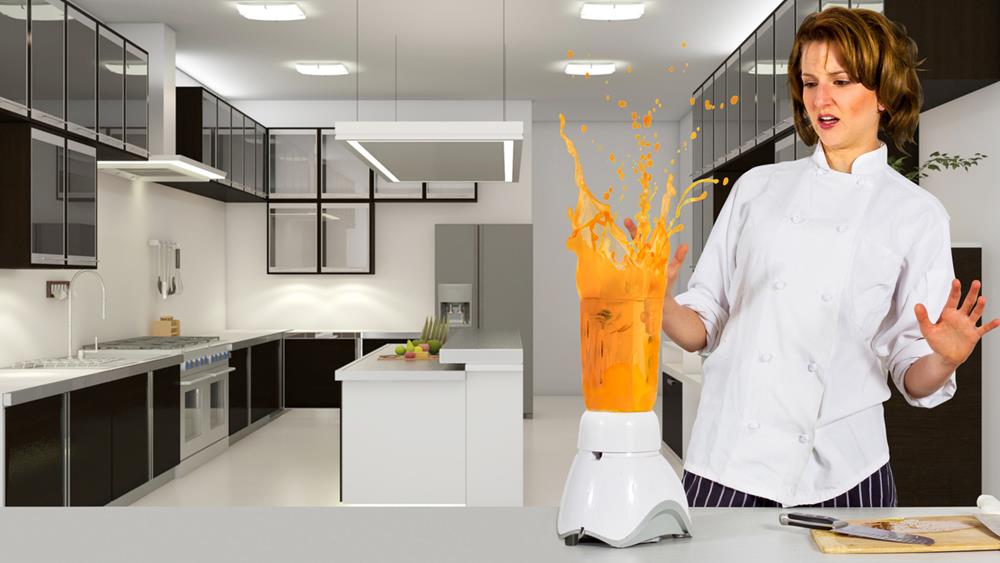
Blending hot liquids can pose significant risks due to pressure buildup and potential lid explosions. When hot liquids are blended, they expand and generate steam, which can rapidly increase pressure inside the blender. If this pressure becomes too great, it can force the lid off, causing hot liquid to spill and potentially result in burns.
Understanding these risks is crucial for safe blender operation. To prevent accidents, take the following precautions:
Start at Low Speed: Begin blending on a low speed to keep pressure manageable and avoid sudden steam surges.
Vent the Lid: Allow steam to escape by removing the center piece of the lid, if your blender has one, and covering the hole with a kitchen towel to prevent splashes.
Cooling Hot Liquids
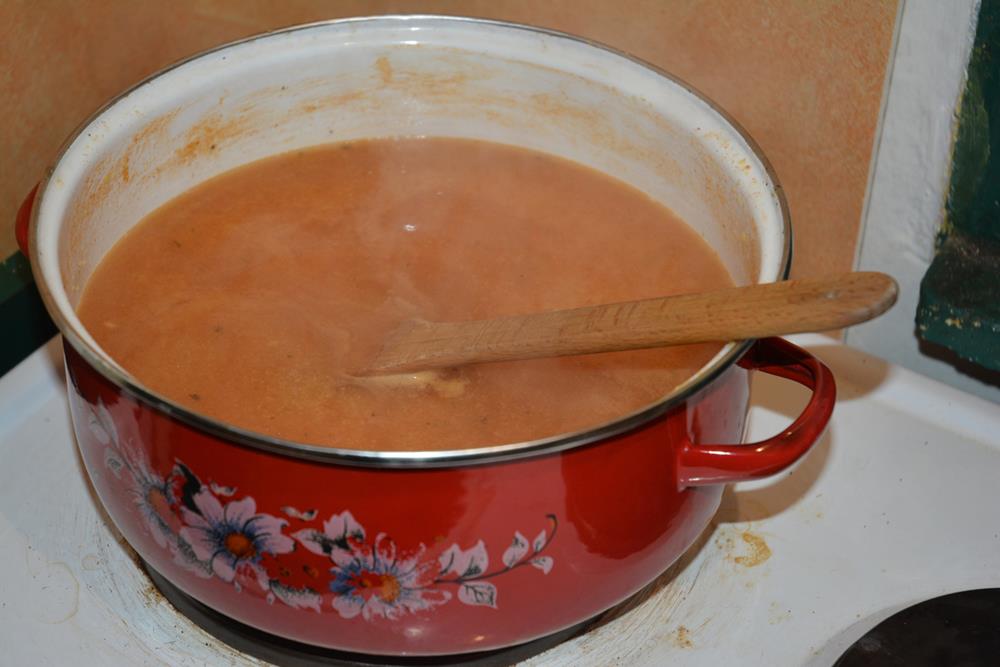
When cooling hot liquids before blending, first allow the initial steam to escape by letting the food sit uncovered for a few minutes. To further reduce the temperature, either wait 30-40 minutes or place the cooking vessel in cold water. This method minimizes the risk of splattering and burns.
Allow Initial Steam Escape
When blending hot liquids, steam can accumulate rapidly, creating pressure inside the blender. This pressure can forcefully push the lid off, causing hot liquid to splatter everywhere. To avoid this, always let the hot liquid cool for a few minutes before pouring it into the blender.
Gradual Temperature Reduction
A quick and effective way to cool hot liquids is to submerge the cooking vessel in cold water for a few minutes, which significantly lowers the temperature and makes blending safer. Another helpful tip is to blend cooled ingredients first and then gradually add the hot liquids. This approach ensures a smoother blending process and prevents sudden temperature spikes.
Here is a summary of these cooling techniques:
| Cooling Technique | Description |
|---|---|
| Let It Sit | Allow hot liquids to cool for 30-40 minutes |
| Cold Water Bath | Submerge the vessel in cold water for rapid cooling |
| Blend Cooled Ingredients | Start with cooled items, then add hot liquids |
| Monitor Temperature | Periodically check to ensure safe temperatures |
Preparing the Blender
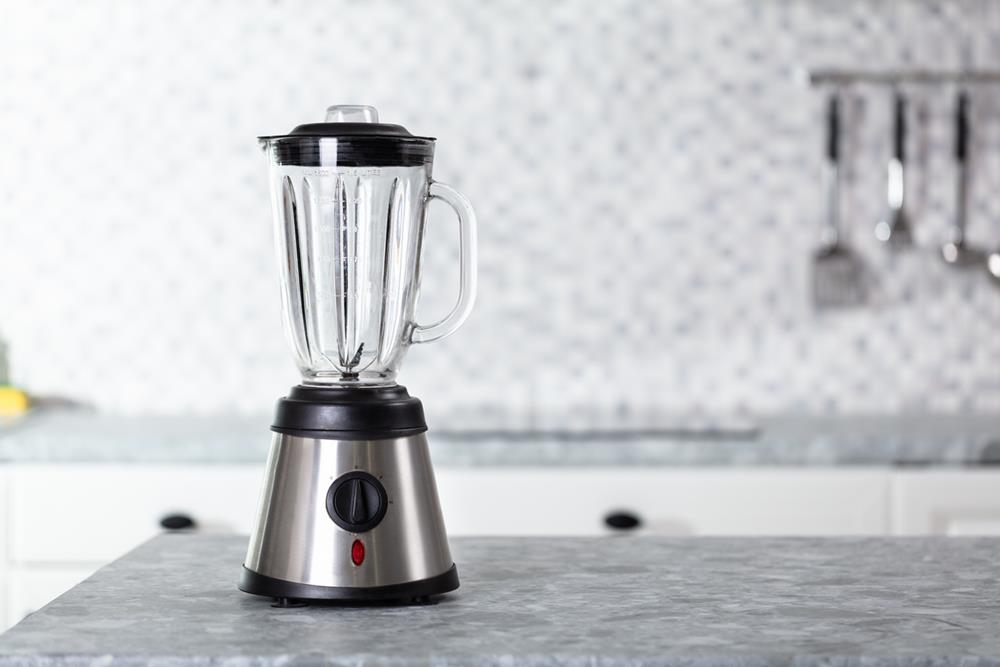
Before you start, ensure your blender is designed for hot liquids by checking the instruction manual for specific guidelines. Not all blenders can handle heat, and using one that isn't can be dangerous.
To prepare your blender properly, follow these steps:
Cool the Liquids Slightly: Allow hot liquids to cool for a few minutes before blending to reduce the risk of pressure buildup.
Check Ventilation: Ensure the blender lid has a vent to release steam. Steam buildup can cause the lid to pop off, creating a mess or causing burns.
Consider Using a Hand Blender: Hand blenders are designed to be immersed directly into hot liquids, making the process smoother and safer.
Invest in a Suitable Blender: If you frequently blend hot liquids, consider investing in a blender with settings specifically for hot liquids to enhance safety and efficiency.
Proper Lid Techniques
When blending hot liquids, always vent the lid to release steam and prevent pressure buildup.
Ensure the lid is secured tightly to avoid leaks and spills.
Venting Steam Properly
When blending hot liquids, it's crucial to allow steam to escape to prevent pressure build-up and potential hazards. Follow these steps to ensure safe handling:
Remove the Center Cap: This step is important to let steam escape and prevent pressure from building up inside the blender.
Cover with a Kitchen Towel: Place a kitchen towel over the lid to control steam and catch any splatters.
Start on Low Speed: Begin blending at a low speed and gradually increase to minimize sudden pressure changes.
Blend in Batches: For larger quantities, blend in smaller batches to better manage steam and pressure.
Securing the Lid
Securing the lid properly ensures you prevent leaks, spills, and accidents when blending hot liquids. Always double-check that the lid is securely fastened before you start.
Some blenders feature venting lids that release steam pressure safely. If your blender has this feature, ensure the vent is clear and functional. If your blender lacks a venting lid, you may need to hold the lid down with a towel, but do so cautiously to avoid burns from escaping steam.
When finished blending, be cautious when removing the lid. Allow the blender to sit for a few moments to let the steam settle before opening.
Following these proper lid techniques will enable you to blend hot liquids safely and effectively.
Avoiding Overfilling Blender
To prevent spills and accidents when blending hot liquids, fill the blender only halfway. This precaution helps manage pressure buildup that can occur with hot contents.
Here is a step-by-step guide to ensure safety when blending hot liquids:
Fill the Blender Halfway: Only fill the blender halfway to provide enough space for steam to expand without increasing pressure.
Remove the Center Cap: Take off the small center cap from the blender lid to allow steam to escape and prevent pressure buildup.
Cover with a Towel: Place a towel over the lid opening where the center cap was removed. This catches any splatters and lets steam vent safely.
Hold the Lid Securely: Keep one hand firmly on the lid while blending to ensure it stays in place and prevents accidental blow-offs.
Working with smaller amounts allows for better control over the consistency of your mixture, helping to achieve a smoother blend. This method also reduces strain on your blender's motor, ensuring it operates more effectively and has a longer lifespan.
Using a Towel Cover
When blending hot liquids, covering the blender lid with a towel can help manage steam release and prevent splatters. Using a kitchen towel over the lid acts as a barrier, reducing this pressure buildup and enhancing safety.
Here's how to do it effectively:
Secure the Lid: Ensure the blender lid is firmly in place. This is your first line of defense against splatters.
Fold the Towel: Fold a kitchen towel so it's thick enough to handle the heat but still manageable.
Cover the Lid: Place the folded towel over the blender lid, covering the entire surface. This helps absorb steam and catch splatters.
Hold Firmly: Hold the towel in place with one hand while blending with the other. This ensures the towel stays secure.
Pouring the Mixture
Carefully pour the hot liquid into the blender, avoiding overfilling.
Secure the lid tightly, and hold the blender jar with a towel or oven mitt for additional safety.
Proper Pouring Technique
When dealing with hot liquids, using the blender's cool-to-the-touch outer jar is essential for safe pouring.
Follow these steps to ensure safety and avoid burns or spills:
Utilize the Venting Lid: Before pouring, make sure to release steam using the venting lid. This step prevents sudden bursts of hot steam that could cause burns.
Use Oven Mitts: Hold the blender jar securely with oven mitts. Even with a cool-to-the-touch outer jar, this extra layer of protection is crucial against potential burns.
Pour Slowly and Steadily: Pour the hot liquid in a controlled, slow manner to minimize splattering and spills, ensuring a safer transfer.
Monitor the Fill Line: Keep an eye on the container's fill line while pouring. Avoid overfilling to prevent hazardous overflow of hot liquid.
Secure Blender Lid
To prevent dangerous spills or splatters while blending hot liquids, ensure the blender lid is tightly secured. This simple step can save you from messy kitchen disasters and potential burns. Always double-check that the lid is properly on before you start blending.
When it's time to pour the hot liquid mixture, follow this step-by-step guide for safe handling:
Keep the Lid On: Pour the mixture with the blender lid still in place to minimize steam release and reduce the risk of splattering.
Use a Towel: Cover the lid with a kitchen towel to catch any escaping steam, helping to prevent burns and messes.
Maintain a Firm Grip: Hold the blender jar securely to maintain control and stability, ensuring the hot liquid doesn't spill.
Pour Slowly: Pour the liquid slowly and steadily to minimize the risk of splattering and burns.
Cleaning the Blender
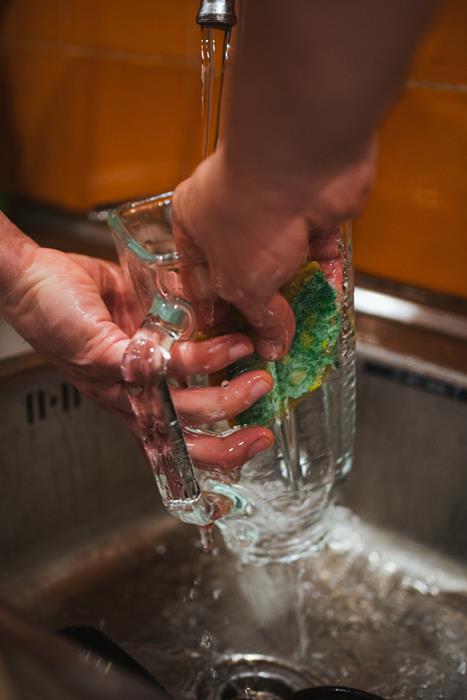
Start by rinsing the blender jar with warm, soapy water immediately after use to prevent food residue from hardening. This is especially important when blending hot liquids, as it helps to ensure remnants don't stick to the jar.
After rinsing, use a soft sponge or brush to scrub every corner and crevice thoroughly to remove any remaining particles.
For tougher stains that are difficult to remove, fill the blender jar with warm water and add a drop of dish soap. Blend this mixture on high speed for a few seconds. This method uses the blender's power to dislodge stubborn residues, making the cleaning process easier.
Avoid submerging the blender base in water, as it contains electrical components. Instead, wipe it down with a damp cloth and a mild detergent, paying special attention to the buttons and seams to maintain its appearance.
Alternative Blending Tools
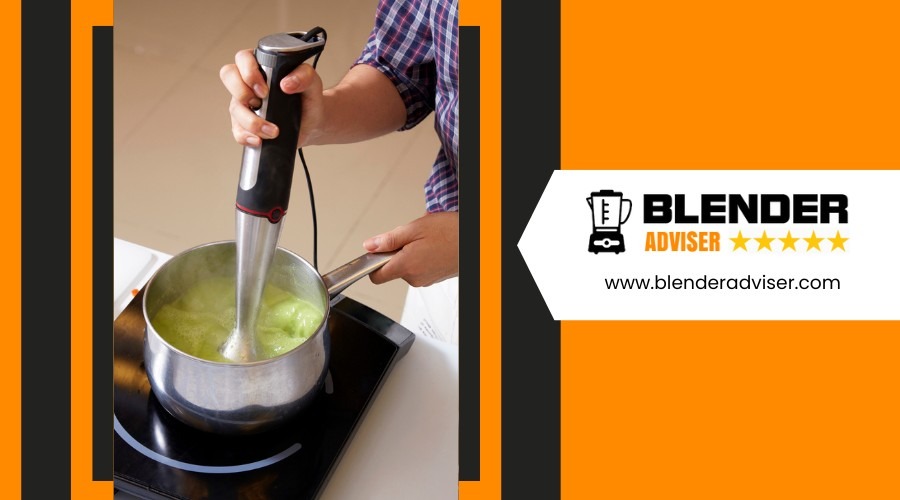
Maintaining a clean blender is essential, but it's also wise to explore alternative blending tools for safely handling hot liquids. One excellent option is a hand-held immersion blender, designed specifically for this purpose.
Using an immersion blender has several advantages:
Safety: These blenders are built to handle hot soups and sauces directly in the pot, reducing the risk of spills and burns.
Convenience: You can blend hot liquids right in the cooking vessel, eliminating the need to transfer hot contents between containers.
Control: Immersion blenders offer better control over the blending process, allowing you to achieve the perfect texture.
Ease of Cleaning: These handheld tools are generally easier to clean and store compared to traditional blenders.
For those who frequently blend hot liquids, an immersion blender is invaluable. It's particularly useful for making smooth, creamy soups and sauces without compromising safety. Compact and easy to use, it's a practical addition to any kitchen.
Safety Maintenance Tips
Always ensure your blender is cool and unplugged before starting any maintenance to avoid accidental injuries. Keeping your blender in optimal condition ensures it can safely handle hot liquids. Begin by regularly inspecting the blender's base for any signs of damage or wear. If you notice anything unusual, make sure to get it repaired before your next use.
Clean the blender jar thoroughly after each use, especially when blending hot liquids. Residue buildup can affect performance and cause unpleasant odors. Use warm, soapy water and a soft sponge to clean the jar, and dry it completely before storing.
Check the blender lid and gasket frequently. These parts are crucial for safely blending hot liquids, as they help prevent leaks and splashes. Replace any worn-out or damaged components immediately to maintain a good seal.
Here's a quick maintenance checklist:
| Task | Frequency | Importance Level |
|---|---|---|
| Inspect blender base | Monthly | High |
| Clean blender jar | After each use | High |
| Check lid and gasket | Weekly | High |
| Replace damaged parts | As needed | Critical |
| Vent the lid when blending hot liquids | Every use | High |
Frequently Asked Questions
What Happens if You Blend Hot Liquids in a Blender?
Blending hot liquids can cause pressure to build up from steam and expansion. If not handled properly, the lid may pop off, leading to dangerous spills and potential burns. Always exercise caution to prevent accidents.
Is It OK to Place Hot Liquids in a Blender With the Lid On?
No, it's not advisable to place hot liquids in a blender with the lid fully closed. The steam and pressure buildup can cause the lid to blow off, leading to burns and a messy cleanup. Ensure proper ventilation by allowing steam to escape, such as removing the center part of the lid and covering it with a towel.
Can You Put Boiling Hot Liquid in a Blender?
Avoid putting boiling hot liquid in a blender. The extreme heat can create pressure, potentially causing the lid to explode. Instead, let the liquid cool slightly or use a blender specifically designed for hot liquids.
Conclusion
In conclusion, using a blender with hot liquids can be done safely by following a few key precautions. Always allow hot liquids to cool slightly before blending, never fill the blender beyond the recommended capacity, and use its lid securely to prevent spills. Additionally, start blending on a low speed and gradually increase as needed to avoid splattering. Remember to never blend hot liquids with the vent cap closed, as this can cause pressure to build up and potentially lead to a dangerous situation. By following these tips and using common sense, you can safely create delicious soups, sauces, and beverages without any accidents. Stay safe and enjoy your blending!