How to Blend Herbal Remedies: Create DIY Teas & Tinctures at Home
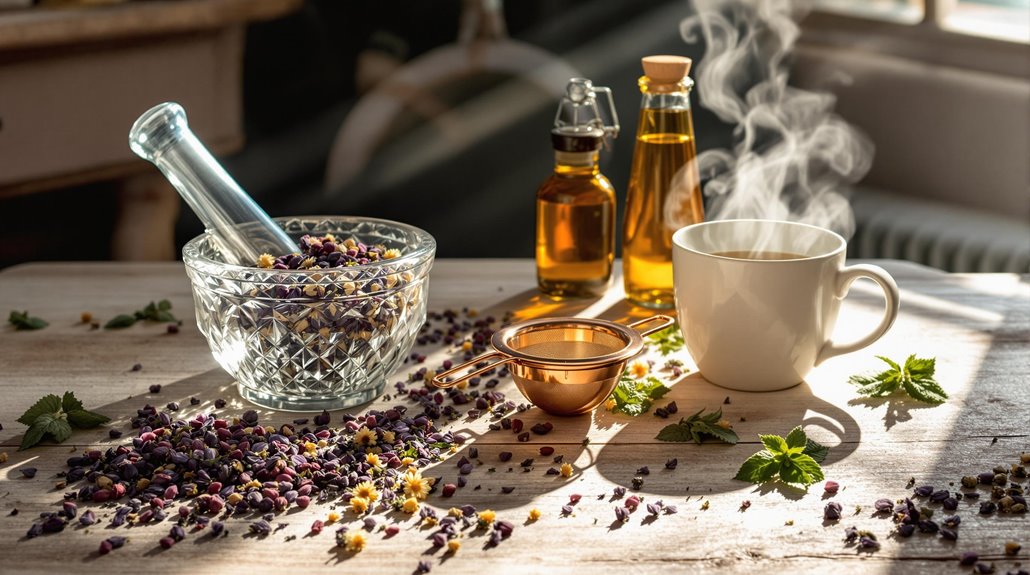
To blend your own herbal remedies, you'll need basic tools like glass jars, measuring spoons, a scale, and quality dried herbs. Start with simple water infusions using 1 tablespoon of herbs per cup of hot water, steeping for 3-5 minutes. For stronger preparations, create tinctures by soaking herbs in alcohol or vinegar, or make oil-based extractions using carrier oils like olive or coconut. Proper storage in cool, dark places guarantees your natural remedies maintain their healing properties for years to come.
Essential Tools and Ingredients for Herbal Blending
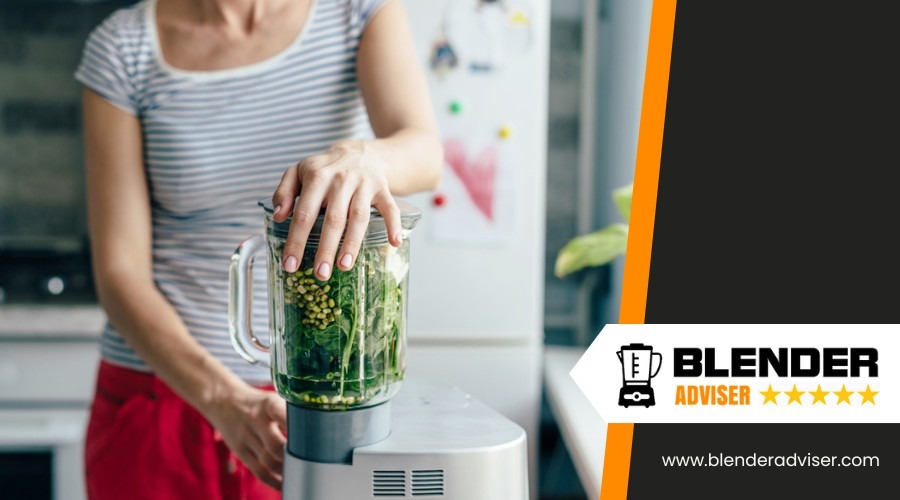
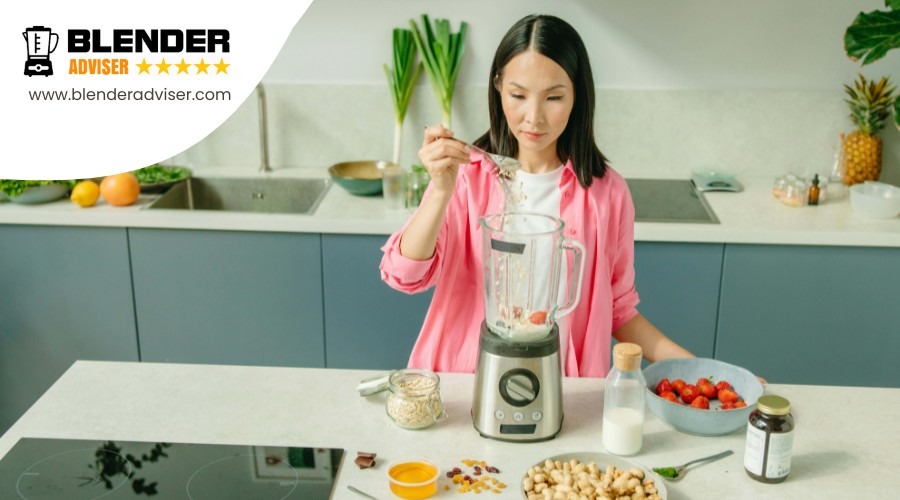
Before diving into herbal blending, you'll need to gather several essential tools and ingredients to ascertain successful preparations. Start with quality glass jars and tincture bottles for storing your herbal creations, along with precise measuring spoons and a reliable scale for accurate portioning. You'll also want cheesecloth for straining your mixtures. A high-speed blender will be essential for thoroughly mixing and emulsifying your herbal preparations. For your ingredients, focus on sourcing high-quality dried herbs, which serve as the foundation of your remedies. You'll need high-proof alcohol and vegetable glycerin for creating tinctures and other extracts.
When working with these materials, always use quality containers for proper storage and remember to label everything thoroughly with the herb names, extraction method, alcohol percentage, and creation date. This attention to detail verifies both safety and effectiveness in your herbal preparations.
Making Simple Water Infusions and Teas
While herbal tinctures require longer preparation times, water infusions and teas offer a quick and accessible way to enjoy the benefits of herbs. To make a basic water infusion, you'll need 0.5-1 tablespoon of your chosen herb per cup of hot water. Let it steep for 3-5 minutes to create a flavorful herbal tea.
For stronger extractions, you can extend the steeping time to 12-24 hours, which helps release more water-soluble compounds from the plant material. If you're working with tougher plant parts like bark, twigs, or seeds, try making a decoction by boiling the material instead.
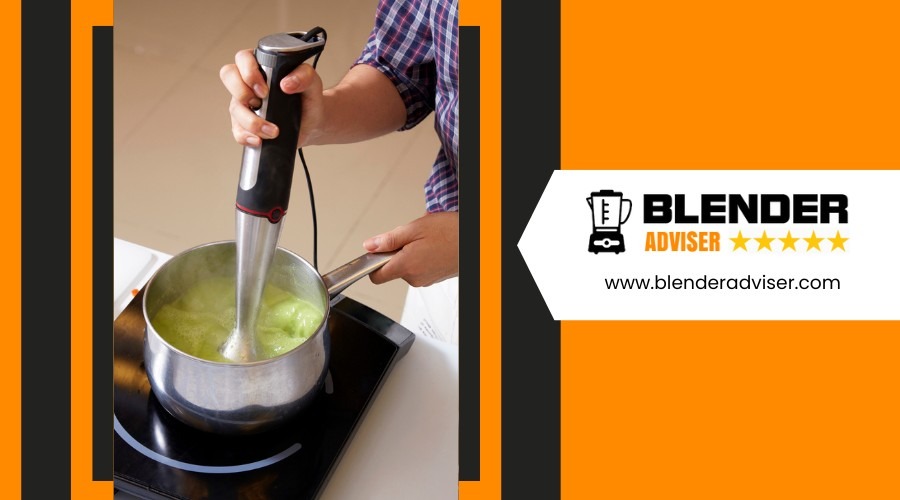
When you're just starting out with making herbal preparations, focus on using single herbs to better understand their individual flavors and effects. Water infusions are versatile and can serve as beverages, topical washes, or compresses. Using a blender to process your herbs can achieve enhanced nutrient extraction by breaking down the plant cell walls more effectively than traditional steeping methods.
Creating Potent Herbal Tinctures
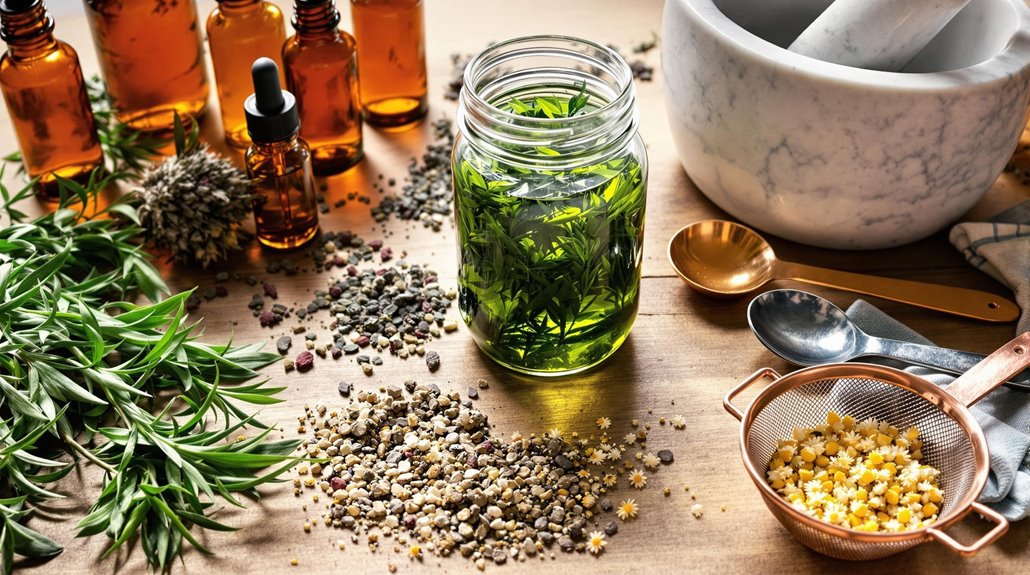
Moving beyond simple water extractions, herbal tinctures offer a more potent and long-lasting method to harness plant properties. You'll create these concentrated liquids by soaking various parts of the plant in alcohol or vinegar, which pulls out both water-soluble and non-water-soluble compounds from your herbal blend.
To use your tincture, place a little bit under your tongue using a dropper. You can work with dried leaves, roots, bark, berries, or fresh plant materials to create your desired blend. Popular options include propolis for allergy relief and elderberry for antioxidant benefits.
While tinctures are powerful allies for wellness, remember they're concentrated medicines that deserve respect. Always check with your healthcare provider before starting any tincture regimen, especially if you're taking medications, to avoid potential interactions. Like the evolution of the classic Margarita recipe, finding the right balance of ingredients is crucial for creating an effective tincture.
Oil-Based Herbal Extractions
Similar to their alcohol-based cousins, oil-based herbal extractions offer a gentle yet effective way to capture beneficial plant compounds. You'll find well-known carrier oils like olive or coconut oil at any grocery store to start your extraction. The traditional folk method is simple: fill a jar with dried herbs, cover them completely with your chosen oil, and let them steep for 4-6 weeks.
The carrier oil you select can enhance your final product's properties. Once strained, you can use the infused oil directly on your skin or convert it into solid products. By adding varying amounts of beeswax, you'll create different consistencies - from soft salves to firm Lip Balm. The more beeswax you incorporate, the stiffer your final product will become.
Measuring and Storing Your Herbal Remedies
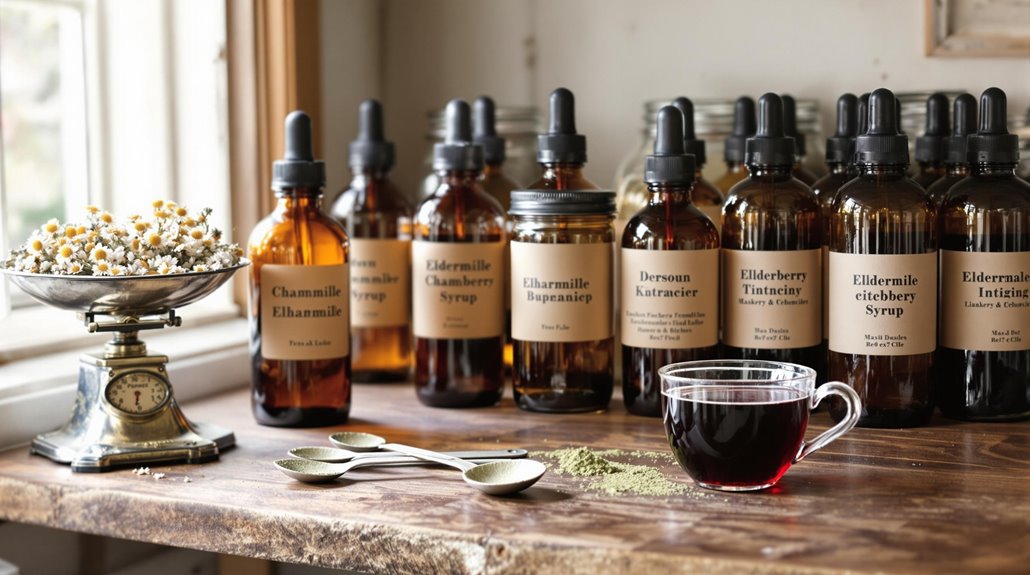
Accurate measuring sets you up for success when creating herbal remedies. You'll want to use either volume measurements with tablespoons or weight measurements with a kitchen scale to confirm your wellness products are consistent every time you make them.
When creating tinctures, you'll need to properly document your process. Label each bottle with the herb name, type of alcohol used, potency, and creation date. These details are imperative for tracking your remedies' effectiveness.
Keep your tinctures away from cold water and avoid moving around your storage area frequently. Instead, find a cool, dark spot where they can remain undisturbed. When stored properly, your tinctures will maintain their potency for years to come, making them a reliable addition to your herbal medicine cabinet.