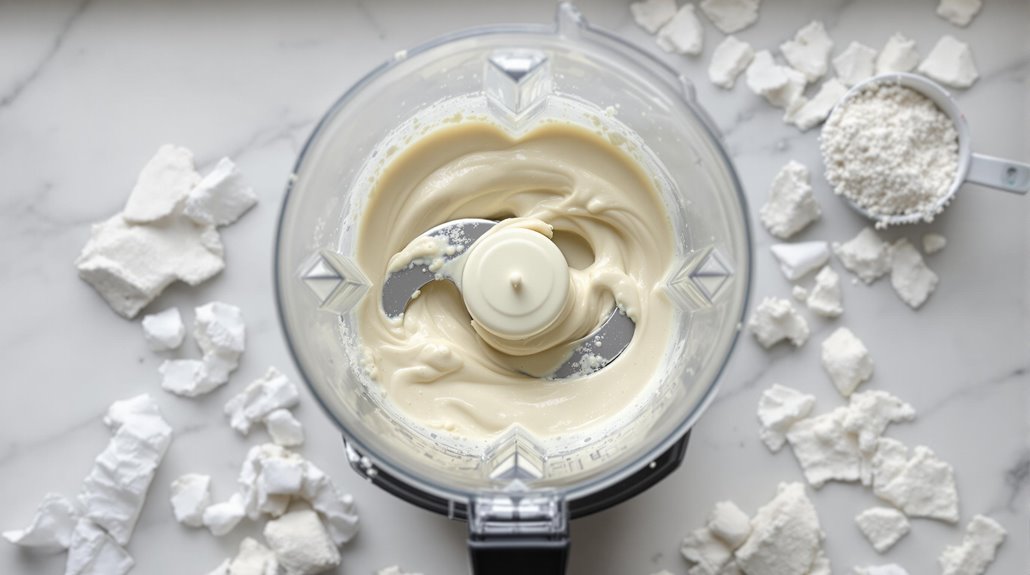
How Does a Blender Work?
Blenders are found in many kitchens, appreciated for their ability to quickly and efficiently mix, purée, and blend a variety of ingredients. But have you ever wondered how these versatile appliances actually work? Understanding the inner mechanics of a blender can help you make the most of its capabilities and ensure you’re using it safely and effectively.
Let’s get into the essential components of a blender, explaining the science behind its operation, and provide some tips on how to use it for the best results.
Key Takeaways
- Blades spin rapidly to generate shearing forces that break down food particles.
- The motor powers the blades, allowing them to spin at various speeds to mix or pulverize ingredients.
- Strategic blade placement and container design create a vortex, ensuring even mixing.
- High-wattage motors improve the blender's ability to handle tough and frozen ingredients.
- Pre-programmed settings and electronic controls offer precise and automated blending tasks.
Blade Mechanics
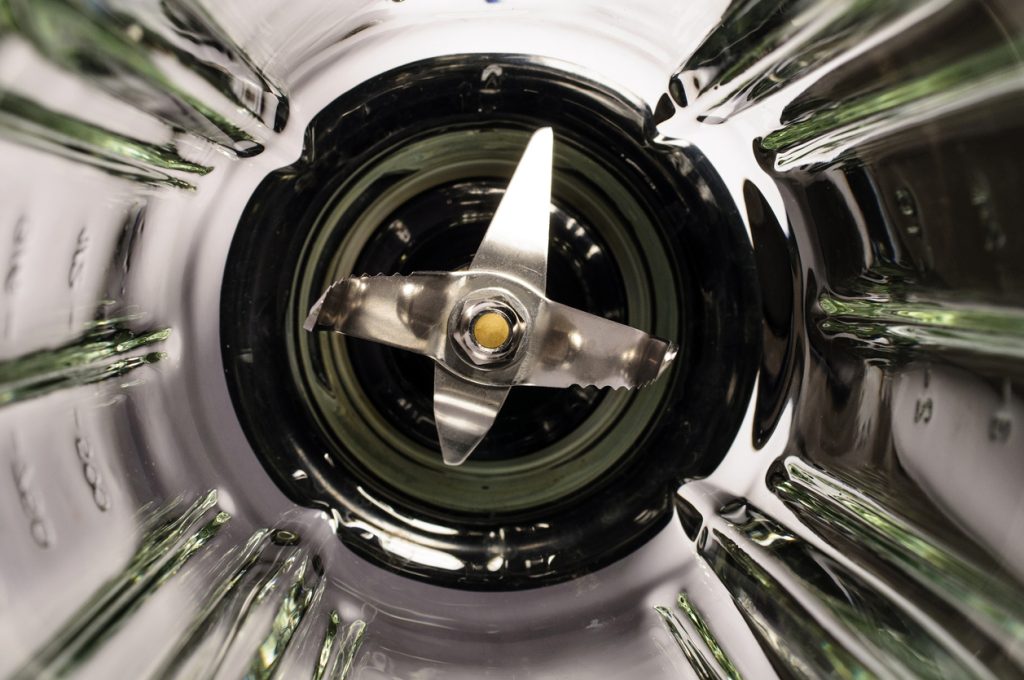
Blender blades spin rapidly to cut and chop food placed in the container, creating shearing forces that effectively rip food particles apart. This action enables the transformation of solid ingredients into liquid, whether blending fruits for a smoothie or crushing ice for a cocktail.
The sharp, fast-moving blades can even pulverize tough items like spices into fine powders, showcasing their versatility. As the food pieces become smaller, the blades require more energy to further break them down, which is why blending harder or fibrous ingredients can take longer.
The cutting power of blender blades is also sufficient to shatter hard items like ice and nuts, facilitating the preparation of a variety of foods and drinks.
Thus, the next time you use your blender, you can appreciate how the blades efficiently achieve the desired consistency by transforming solid ingredients into liquid or finely powdered forms.
Motor and Speed

The motor in your blender powers the blades to spin at high speeds, enabling precise control over the texture of your ingredients. Positioned at the base of the blender, the motor is the core component that generates the force needed to rotate the blades. This rotation is essential for breaking down fruits, vegetables, and other ingredients into smooth mixtures.
Blenders generally offer multiple speed settings, ranging from as few as 2 to as many as 16. These settings allow you to adjust the motor's speed according to your blending requirements. Lower speeds are ideal for mixing and stirring, while higher speeds are perfect for pulverizing ice or making smoothies. The ability to control speed is crucial for achieving the desired texture and consistency in your blends.
The motor's wattage significantly impacts a blender's performance. Higher wattage motors provide more powerful blending capabilities, making it easier to handle tough ingredients like nuts and frozen fruits. Whether you're preparing a quick salsa or a creamy soup, adjusting the speed and utilizing a robust motor ensures you achieve the perfect blend every time.
Types of Blades
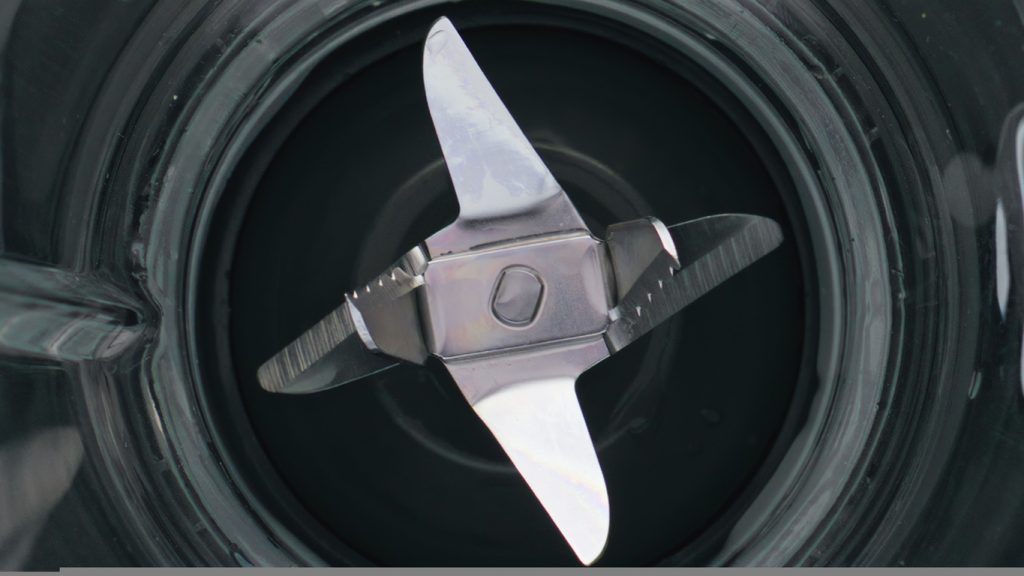
Blender blades come in various materials, each offering unique benefits tailored to different blending needs. The three primary options are stainless steel, titanium-coated, and serrated blades.
Stainless Steel Blades: These are highly popular due to their durability and resistance to corrosion, making them suitable for everyday tasks such as blending smoothies and soups.
Serrated Blades: Known for their efficiency in handling tough ingredients like ice and frozen fruits, serrated blades maintain their sharpness over time and ensure effective blending without premature wear.
Titanium-Coated Blades: These blades are exceptionally strong and maintain their sharpness longer than other materials. They're ideal for heavy-duty blending tasks, resisting dulling and ensuring longevity.
When selecting a blender, considering the blade material can significantly impact both performance and durability.
Blade Shape Impact
Understanding how different blade shapes impact your blending results is crucial after considering blade materials. Blender blades come in various shapes like flat, serrated, and curved, each optimized for specific blending tasks.
Serrated blades excel at crushing ice and handling hard ingredients. Their jagged edges efficiently break down tougher items, ensuring a smoother consistency. If you frequently make frozen drinks or need to crush ice, serrated blades will significantly enhance your blending efficiency.
Curved blades are ideal for blending softer foods. Their design maximizes contact with ingredients, making them perfect for pureeing fruits and vegetables or creating smooth soups. The curved shape ensures thorough blending, resulting in a uniformly smooth texture.
Flat blades are versatile and handle general blending tasks well. They provide consistent results whether you're making a smoothie or mixing a sauce. This blade shape offers a balanced approach, suitable for a wide range of ingredients.
Each blade shape addresses different blending needs, ensuring excellent performance and smooth results. Understanding these differences will help you choose the right blade for your specific blending tasks.
Blade Maintenance Tips
Maintaining your blender blades is essential for ensuring durability and optimal performance. Blenders come with various blade types, such as serrated, smooth, and multi-level blades, each requiring specific care to remain effective.
- Serrated Blades: Ideal for crushing ice and grinding tough ingredients, these blades should be cleaned thoroughly after each use to prevent residue buildup, which can dull the edges. Handle them carefully to avoid bending or damaging the serrations.
- Smooth Blades: Best suited for pureeing and blending softer foods, smooth blades require regular cleaning to prevent food particles from hardening and affecting performance. Avoid using them for hard ingredients to maintain their sharpness.
- Multi-Level Blades: These blades are designed to offer various cutting actions for efficient blending of different ingredients. Ensure they're properly assembled each time to avoid misalignment, which can reduce effectiveness and potentially damage the blender.
Correct assembly is crucial to prevent accidents and ensure effective blending. Regular blade maintenance, including careful handling and thorough cleaning, will keep your blender performing at its best and extend its lifespan.
Container Design
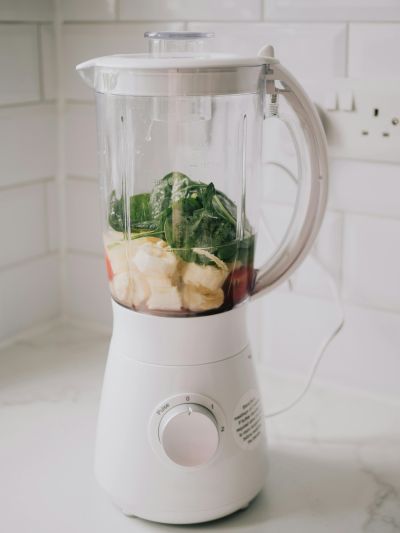
The container design of a blender, typically a tapered cylindrical pitcher with a secure lid, is crucial for efficient circulation and chopping of contents. This design creates a vortex that pulls ingredients towards the center, ensuring they're evenly mixed and chopped. The blade's strategic placement at the bottom of the container enhances this process. As the blade spins, it generates a force that circulates the ingredients, breaking them down into a smooth mixture.
The container's shape is functional, not just aesthetic. The tapered design narrows at the bottom, directing ingredients to the blade for optimal chopping and mixing. This ensures that even tougher ingredients are effectively broken down, resulting in a consistent blend. The secure lid is essential for containing ingredients and preventing spills during operation, ensuring a smooth and hassle-free blending experience.
In immersion blenders, the container design differs but remains effective. Here, the motor is at the top, and the blade is at the bottom, allowing you to blend directly in pots or bowls, offering convenience and versatility.
Power and Performance

The motor drives the blades to create high-speed rotations, enabling the blender to efficiently chop, mix, and puree ingredients. Most blenders operate within a power range of 300 to 1000 watts, with higher wattage typically offering superior performance, particularly for challenging tasks like crushing ice or blending tough ingredients.
Consider these scenarios to visualize the impact of power and performance on your blending tasks:
- Smoothies: A high-powered motor ensures fruits and vegetables are blended to a creamy consistency without chunks.
- Ice Crushing: Blenders with higher wattage effortlessly crush ice into a snow-like consistency for frozen drinks.
- Purees: Adjustable speed settings allow you to achieve the perfect texture for soups and sauces.
Adjusting the speed settings on your blender lets you fine-tune the power to meet the specific needs of your recipes. By understanding the importance of the motor, blades, and high-speed rotations, you'll be well-equipped to choose the right blender for your kitchen.
Advanced Features
Modern blenders are equipped with advanced features that significantly enhance their functionality and user experience. For example, many commercial blenders now have computerized controls that allow for precise blending settings tailored to specific needs, ensuring consistent results whether you're making a smoothie or a batch of creamy soup.
A notable feature is electronic speed control, which provides exceptional versatility. With multiple speed settings, you can easily switch between gentle blending and high-speed pulverizing, making it ideal for various ingredients, from soft fruits to tough nuts and seeds.
Additionally, many blenders now come with sound-reducing enclosures, making them quieter and more comfortable to use in busy kitchens. This reduced noise level is particularly beneficial during early mornings or late-night blending sessions.
Specialized designs, such as smoothie blenders with convenient spigots, simplify serving by eliminating the need to lift heavy containers. Pre-programmed settings further enhance the blending experience by automating tasks like ice crushing, smoothie making, and soup blending, ensuring excellent results every time.
These advanced features make modern blenders a seamless, efficient, and enjoyable tool in any kitchen.
Frequently Asked Questions
How Does a Blender Work Step by Step?
Blade Rotation: The motor drives the blade assembly, causing the blades to spin rapidly.
Centrifugal Force: The spinning blades create a vortex, pulling the ingredients down towards the blades.
Cutting and Mixing: The sharp edges of the blades cut through solid ingredients, while the rapid movement mixes them with liquids to create a smooth consistency.
How Does a Blender Work in Physics?
To understand the physics of a blender, it is essential to focus on the mechanics and principles involved. The spinning blades create a vortex, which draws the ingredients towards the blades. This action generates friction and shear forces, breaking down the ingredients and mixing them uniformly. The process can also generate heat due to the friction, contributing to a smooth and well-emulsified blend.
How Does a Blender Engine Work?
A blender engine works by using a powerful motor at the base to spin the blades, effectively chopping and circulating the ingredients. You can adjust the speed settings on the control panel to achieve the desired blending results.
Does a Blender Have an Electric Motor?
Yes, a blender contains an electric motor located at its base. This motor drives the blades, allowing for high-speed rotation to blend ingredients. The motor's speed and power are crucial for determining the blender's efficiency in chopping and mixing.
Conclusion
Using a blender involves harnessing its motor's power and strategically placed blades to effectively mix and chop ingredients. By selecting the appropriate speed and blade type, you can manage a wide range of tasks, from grinding spices to blending frozen fruits.
The container's design ensures thorough mixing, resulting in a smooth, consistent texture. With advanced features and reliable performance, blenders are invaluable for various culinary tasks, simplifying and enhancing your kitchen activities.
So, the next time you reach for your blender, you'll not only appreciate its capabilities but also understand the science behind its operation.