How Do You Properly Care for Blender Blades?
Properly caring for blender blades is essential to ensure the longevity and efficiency of your kitchen appliance. Regular maintenance not only helps to maintain optimal performance but also ensures food safety by preventing the buildup of residue and bacteria.
To care for blender blades, it's important to clean them thoroughly after each use, handle them with caution to avoid damage, and occasionally check for signs of wear and tear. By following a few simple steps, you can keep your blender blades sharp, effective, and ready for all your blending needs.
Key Takeaways
- Rinse and hand-wash blades with warm, soapy water immediately after use.
- Avoid using harsh detergents, abrasive cleaners, or scrubbers.
- Dry blades thoroughly and apply a thin layer of food-safe oil to prevent rust.
- Regularly inspect blades for signs of wear, such as dullness, nicks, or bent edges.
- Store blades in a dry environment using blade covers for protection.
Disassemble the Blender

To begin, carefully remove the jar from the base and detach any removable parts. Proper disassembly is crucial for maintaining both safety and the longevity of your appliance. Follow the manufacturer's instructions closely to avoid damaging any components, especially the blades.
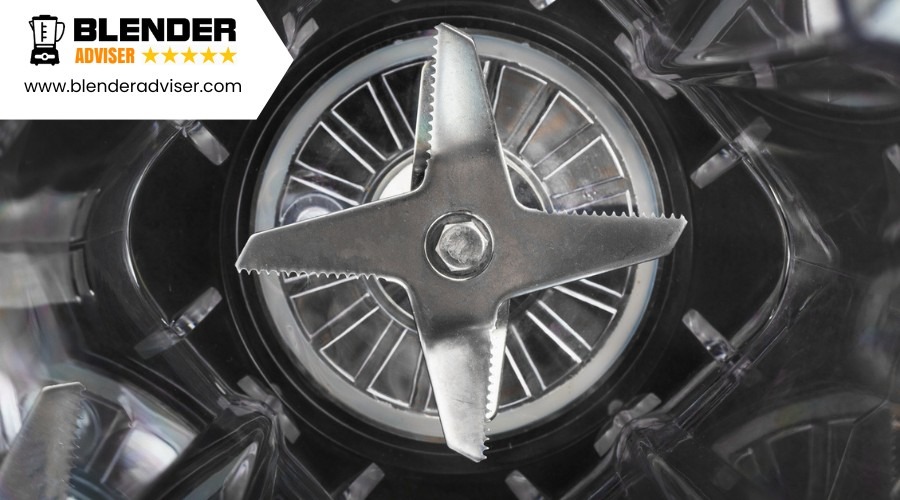
Handle the blades with care as you disassemble the blender; they're sharp and can easily cause accidental cuts. Once you've removed the jar, locate the blade assembly. Depending on your blender model, you may need to gently twist or unscrew a locking ring to release the blade assembly.
After detaching the blades from the jar, place them on a safe, flat surface. Inspect each blade for signs of wear or damage, as this can affect performance and safety. Thorough disassembly ensures you can clean each part effectively later.
Clean After Each Use

After disassembling your blender, it's essential to rinse the blades immediately to prevent food residue from hardening. This quick rinse will save you from extensive scrubbing later and maintain your blender blades in optimal condition. Cleaning after each use will extend the lifespan of your blades and ensure they remain efficient.
Following the rinse, hand wash the blades. Fill your sink with warm, soapy water and use a sponge or textured scrubber to remove any food particles. Be gentle but thorough, ensuring you reach all the nooks and crannies. This method effectively cleans the blades while preventing unnecessary wear and tear.
Avoid placing the blender blades in the dishwasher. Harsh detergents and hot water cycles can damage them over time. If you must use the dishwasher, place the blades on the top rack to minimize potential damage. However, hand washing remains the best option.
Use Mild Detergent
To keep your blender blades in optimal condition, hand-wash them with warm, soapy water. This straightforward step ensures your blender remains clean and its blades stay sharp. Avoid using harsh detergents or abrasive cleaners, as they can damage the blades and shorten their lifespan.
Begin by filling a basin with warm water and adding a mild detergent. Submerge the blades and let them soak for a few minutes. Gently clean the blades with a soft sponge or a textured scrubber, moving from the center outwards to avoid accidental cuts. This method effectively removes food particles and prevents buildup without scratching the blades.
After scrubbing, rinse the blades thoroughly under running water to remove any soap residue. Leftover soap can affect the blender's performance and alter the taste of your food. Shake off excess water and dry the blades completely with a soft cloth to prevent rust.
Avoid Harsh Scrubbers
Using gentle cleaning tools is essential to avoid scratching or damaging your blender blades. Harsh scrubbers can cause micro-abrasions, dulling the blades and reducing their performance. When hand-washing your blender blades, opt for a soft sponge or cloth. This helps preserve the sharpness and longevity of the blades.
Key Tips for Cleaning Blender Blades:
- Avoid abrasive sponges: These can scratch the blade surfaces.
- Use warm, soapy water: It's both effective and gentle.
- Rinse thoroughly: Ensure no detergent residue remains.
- Handle with care: Blades are sharp, so take precautions to avoid cuts.
- Dry immediately: This prevents rust and maintains blade quality.
Dry Thoroughly After Washing
Once you've gently cleaned your blender blades, it's crucial to dry them thoroughly to prevent rust and corrosion. Proper drying extends the lifespan of your blades and maintains their sharpness and effectiveness. Use a clean towel to wipe away any moisture immediately after washing. This helps prevent moisture buildup that can lead to rust and bacterial growth, compromising the hygiene and performance of your blender.
Avoid air drying your blades, as it can leave water spots and mineral deposits, which can affect performance over time. Instead, take a few extra moments to dry each blade manually. This simple step can significantly maintain their quality.
Prevent Rust
To prevent rust on your blender blades, ensure they're thoroughly dried after washing. Applying a thin layer of food-safe oil can also protect the metal. Keeping the blades dry and oiled will help maintain their condition.
Use Food-Safe Oil

After ensuring your blades are completely dry, apply a food-safe oil to keep them rust-free and functioning optimally. Regularly oiling your blender blades creates a protective barrier against moisture and oxidation, the primary causes of rust and corrosion. This simple step can significantly extend the lifespan of your blades and maintain their peak performance.
Start by selecting a food-grade mineral oil or coconut oil, both of which are safe and effective. Using a clean cloth or paper towel, lightly coat the blades with the oil, ensuring you cover all edges and crevices. Remember, a thin, even layer is sufficient; you don't need to over-apply the oil.
It's crucial that the blades are completely dry before applying the oil. Trapping any moisture beneath the oil can lead to the rust you're trying to prevent. Once oiled, reassemble your blender and store it as usual.
Check for Wear
Regularly inspect your blender blades for signs of wear, such as dullness or nicks. Monitoring the blade assembly ensures your blender remains efficient and safe.
Look for visible damage, including bent or chipped blades, which can compromise blending performance. If you notice significant wear or any damage, replace the blades immediately. Using worn-out blades can harm the motor or other parts of your blender, so it's crucial to address the issue promptly.
Replace When Needed
If your blender blades become dull, it's often more practical to replace them rather than attempting to sharpen them. Regularly inspect the blades for any signs of wear and tear, and replace them when necessary.
Proper maintenance, such as thorough cleaning and careful handling, can help extend the life of your blender blades, reducing the need for frequent replacements. By keeping your blender blades in top shape, you ensure your blender continues to deliver smooth and efficient blends.
Store Safely
To keep your blender blades in excellent condition, store them in a safe place away from other utensils. This prevents accidental damage and maintains their sharpness.
Follow these key practices to ensure your blender blades remain in peak working order:
- Use blade covers: These protect the blades from nicks and dulling.
- Avoid stacking heavy items: Placing heavy objects on top of the blades can warp or damage them.
- Keep blades dry: Moisture can lead to rust or corrosion, compromising performance.
- Store separately: Keep blades in a designated spot, away from other sharp or heavy kitchen tools.
- Inspect regularly: Checking your blades for signs of wear ensures they're always ready for use.
By using blade covers or protective cases, you guard against accidental damage. Always keep your blades dry to prevent rust or corrosion. Regularly inspect them for any signs of wear or damage to maintain their sharpness and effectiveness.
Following these tips will extend the life of your blender blades and keep them in excellent condition.
Conclusion
Properly caring for your blender blades is essential for maintaining the performance and longevity of your appliance. Regular cleaning after each use, careful handling to avoid damage, and periodic inspections to check for wear and tear are key steps in ensuring your blades remain sharp and effective.
While sharpening isn't typically necessary, replacing dull or damaged blades promptly will keep your blender functioning at its best. By following these simple maintenance practices, you can enjoy consistent, high-quality blending results and extend the life of your blender.