DIY Furniture Polish: Blend Olive Oil & Lemon Juice for a Natural Shine
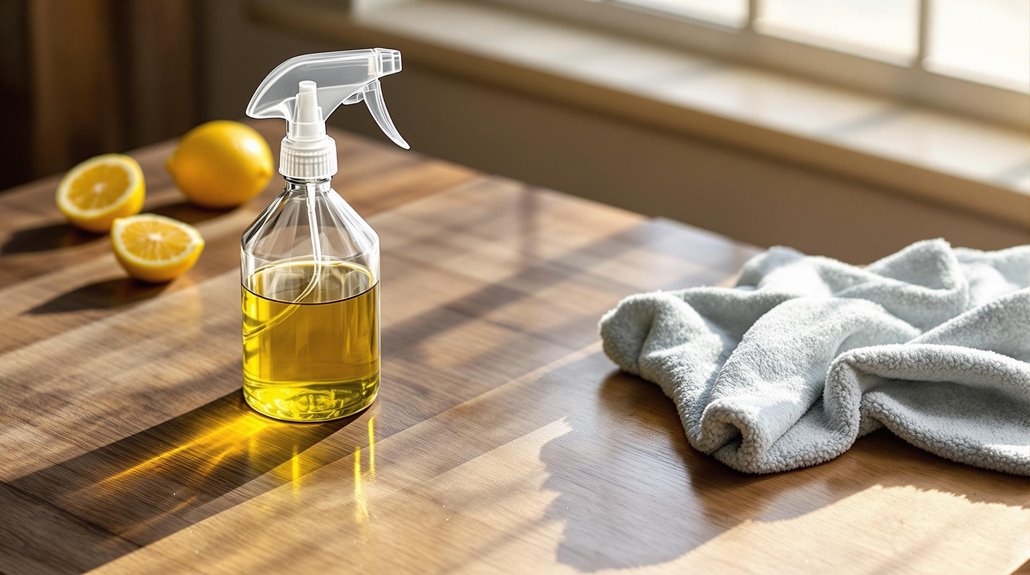
You can create an effective natural furniture polish by combining 3/4 cup olive oil with 1/4 cup fresh lemon juice in a spray bottle. Simply shake the mixture well, apply it to your wooden furniture in small sections following the grain, and let it sit for 5 minutes before buffing with a clean cloth. This eco-friendly solution saves money while providing professional-quality results, and the natural ingredients condition wood better than harsh chemicals. Uncover more ways this simple DIY polish can alter your furniture.
Why Natural Furniture Polish Matters
Three persuasive reasons drive the shift toward natural furniture polish: safety, cost, and environmental impact. When you choose natural ingredients like olive oil and lemon juice, you're protecting your family from the harmful chemicals found in commercial wood cleaners. The EWG's research shows that store-bought products often contain toxins that can affect your health.
You'll save money by creating your own wood polish while achieving professional-quality results. The combination of olive oil's conditioning properties and lemon juice's cleaning power effectively lifts stains and leaves a beautiful shine. Since these natural ingredients are safe for kids and pets, you won't have to worry about toxic fumes or residue on your furniture.
Plus, you're making an eco-friendly choice that benefits both your home and the environment. Using a blender to mix your natural polish helps minimize resource depletion when compared to purchasing multiple disposable containers of commercial cleaners.
Essential Ingredients for Your DIY Polish
Creating effective natural furniture polish requires just a few simple ingredients from your kitchen. The most essential ingredients you'll need are olive oil and lemon juice, which work together to clean and nourish wooden furniture. Olive oil helps condition the wood while lemon acts as a natural cleaner and deodorizer.
You'll also want to keep white vinegar on hand, as it's excellent for cutting through built-up grime and wax residue. For extra cleaning power, add a few drops of tea tree oil, which serves as a natural disinfectant. If you're dealing with darker woods, you can incorporate a small amount of jojoba oil to enhance the wood polish's protective qualities. Store your ingredients in a cool, dark place to maintain their effectiveness for your DIY wood polish. Mix your ingredients in a clean blender jar that's been properly maintained to ensure the best results for your homemade polish.
Step-by-Step Mixing Instructions
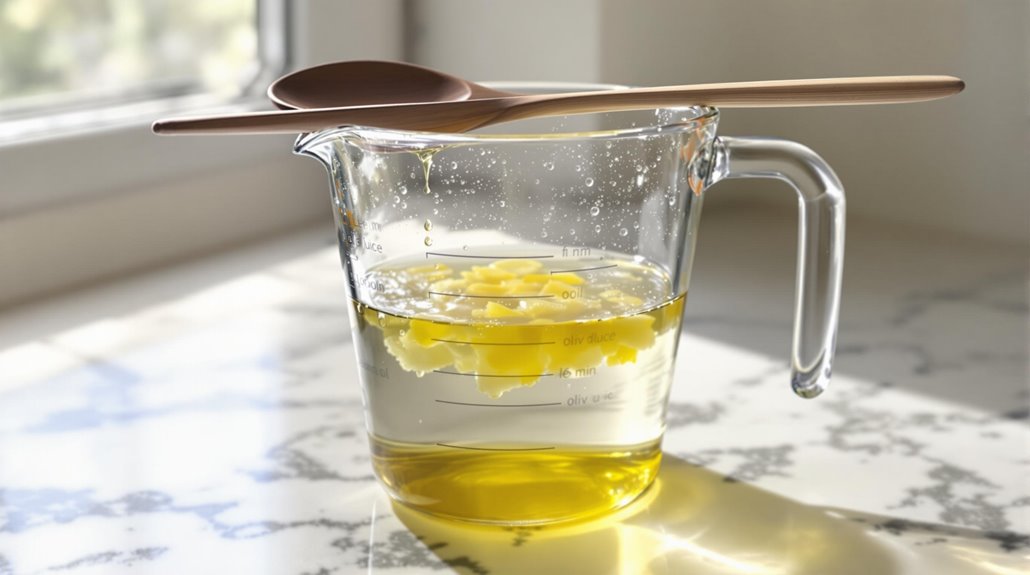
Once you've gathered all your ingredients, making furniture polish is a straightforward process. Start by measuring 3/4 cup of olive oil and pouring it into a clean spray bottle.
Add 1/4 cup of fresh lemon juice to create the perfect balance for your furniture polish recipe.
Securely attach the spray bottle's top and shake the mixture vigorously for about 30 seconds to combine the ingredients thoroughly. You'll notice the solution becoming slightly cloudy - that's exactly what you want. This easy-to-make polish is now ready to use, but remember to shake it well before each application since the oil and lemon juice will naturally separate over time. For stubborn stains on your furniture, try using lemon juice and baking soda as an alternative cleaning solution.
Store your DIY polish in a cool, dark place, and it'll stay effective for up to two months.
Application Techniques and Tips
To achieve the best results with your homemade furniture polish, proper application techniques make all the difference. Start by dusting your furniture with a dry cloth to remove surface debris. Then, shake your olive oil and lemon juice mixture well before each use.
Apply your polish using a soft, lint-free cloth, working in small sections and following the wood grain. Don't oversaturate the surface - a little goes a long way. Let the polish sit for 5 minutes to allow the wood to absorb the nutrients from the olive oil. Next, buff the area with a clean cloth using circular motions until you achieve your desired shine.
For best results, Clean Wood surfaces monthly with this technique, and always test the polish on an inconspicuous spot first to verify it won't damage your furniture's finish.
Benefits of Olive Oil and Lemon Juice

Understanding why olive oil and lemon juice work so well as furniture polish ingredients can help you appreciate their natural power. When you combine these two ingredients, you'll create an effective wood furniture polish that delivers multiple benefits.
Olive oil penetrates the wood's surface, providing essential conditioning and creating a protective layer that results in a beautiful, natural shine. Meanwhile, the citric acid in lemon juice acts as a powerful cleaning agent, effectively removing accumulated dirt and grime from your furniture's surface. You'll also enjoy the stimulating, invigorating scent that lemon juice adds to your cleaning routine.
Best of all, this natural combination offers an eco-friendly alternative to chemical-based commercial products, allowing you to maintain your furniture while being mindful of the environment.
Storage and Shelf Life Guidelines
Since your homemade furniture polish contains natural ingredients, proper storage is crucial for maintaining its effectiveness. Store your mixture in a dark glass bottle to protect the oil from light exposure, which can cause it to go rancid. Keep the container in a cool, dry place, away from direct sunlight and heat sources.
Your DIY polish has a shorter storage life than commercial products because it lacks preservatives. The lemon juice and oil mixture typically stays fresh for about two weeks when stored properly. You'll know it's time to make a new batch if you notice any off-putting smells, separation that won't remix, or changes in color. It's best to mix small batches as needed rather than making large quantities that might spoil before you can use them.
Related posts