Blend Eggshells for Chalk: How to Make Homemade Chalk the Eco-Friendly Way
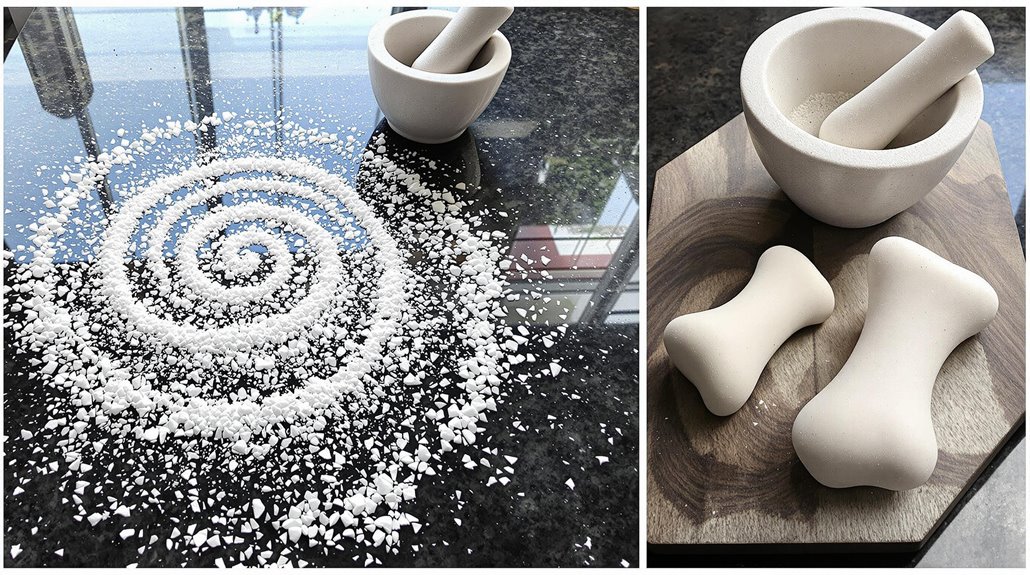
You can alter eggshells into colorful sidewalk chalk through a simple eco-friendly process. Start by cleaning and grinding dried eggshells into a fine powder using a coffee grinder or mortar and pestle. Mix the powder with plaster of Paris and hot water until it reaches a pancake batter consistency. Add natural colorants like turmeric or spirulina, then mold into desired shapes. Let your chalk dry for 2-3 days. This sustainable craft offers endless creative possibilities.
Why Make Your Own Sidewalk Chalk?
While store-bought chalk gets the job done, making your own sidewalk chalk offers several powerful benefits. By converting eggshells into powder, you'll create an eco-friendly alternative that reduces waste while saving money. The process of crushing and grinding eggshells into fine eggshell powder provides an engaging activity that both kids and adults can enjoy together.
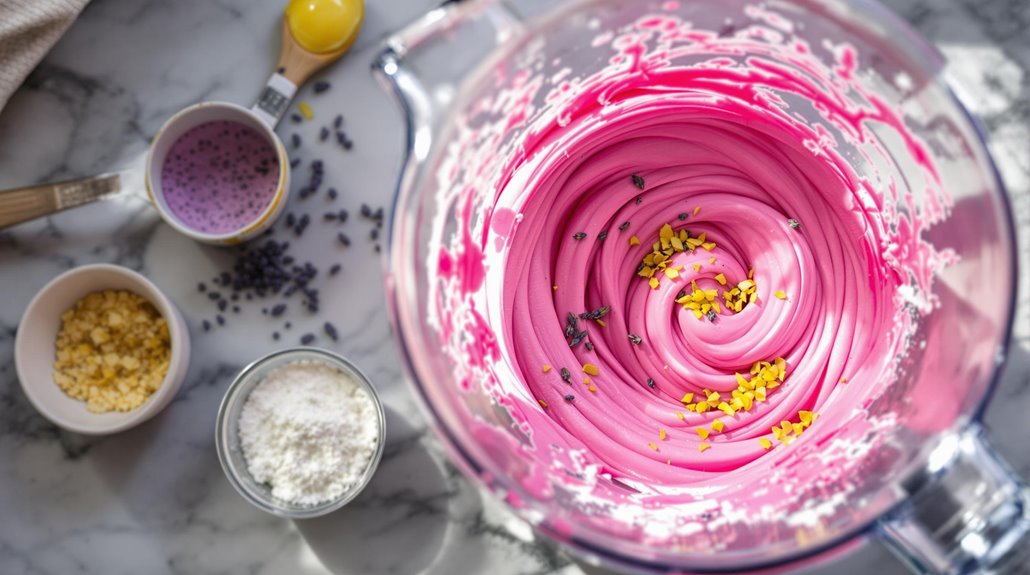
You'll have complete control over your chalk's colors and shapes, allowing for endless creative possibilities. Whether you're drawing hopscotch courts or creating sidewalk works of art, your homemade chalk will work just as effectively as commercial options. Plus, you'll feel good knowing that you're reusing materials that would otherwise end up in landfills. It's a practical way to combine environmental consciousness with artistic expression while keeping entertainment costs low. Using a high-speed blender with blades made of stainless steel will ensure your eggshells are ground to the finest possible powder for smooth chalk creation.
Essential Materials and Tools
Before diving into the chalk-making process, you'll need to gather a few basic household items and tools. Start with four large eggs - white shells are ideal, but brown ones work too. You'll also need a mortar and pestle or an electric coffee grinder to crush the shells into a fine powder.
For the chalk mixture, have white flour and food colorants in gel form ready. You'll combine these with two teaspoons of hot water to create the paste. Don't forget to prepare a clean workspace and simple cardboard molds if you prefer not to shape the chalk manually.
Remember that the eggshells must be thoroughly washed, boiled for 5 minutes, and completely dried before crushing. These steps guarantee your homemade chalk will be safe and effective to use.
An immersion blender can also be used to grind the eggshells into powder, as these versatile tools excel at chopping and grinding tasks.
Preparing the Eggshell Powder
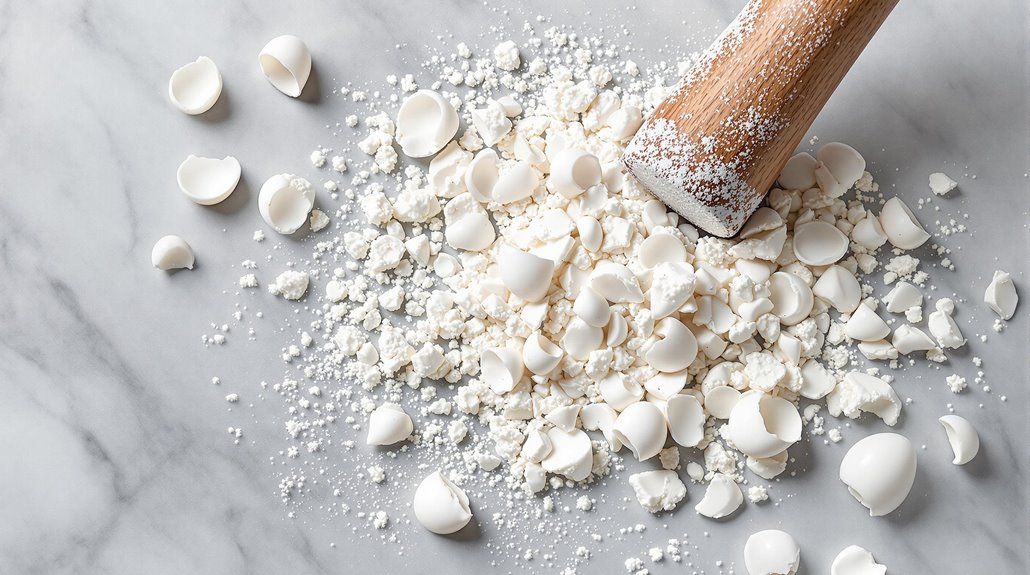
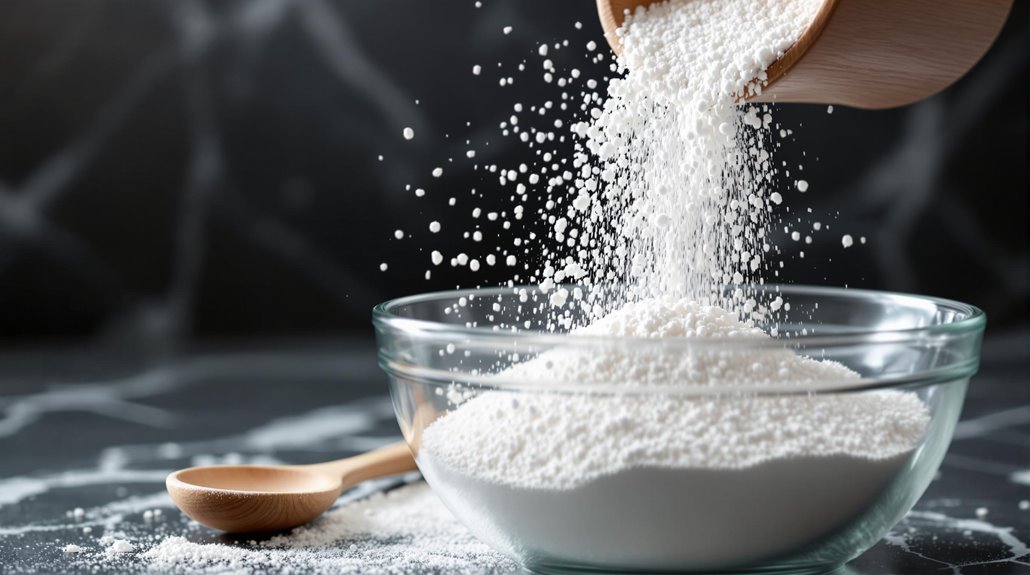
Once your eggshells have dried completely, place them in your mortar and pestle or coffee grinder. Crush or grind the shells in small batches until they become a fine powder. You'll need to be thorough, as any remaining chunks will create rough spots in your finished chalk.
Sift the ground eggshells through a fine-mesh strainer to catch any larger pieces. Return these bigger fragments to your grinding tool and process them again. Continue this cycle until all your eggshells have been reduced to a powder as fine as flour. If you're using a coffee grinder, pulse in short bursts to prevent the motor from overheating. The shearing forces created by the rapidly spinning blades will effectively break down the eggshell particles into a fine powder. Store your eggshell powder in an airtight container until you're ready to mix your chalk.
Creating the Chalk Mixture
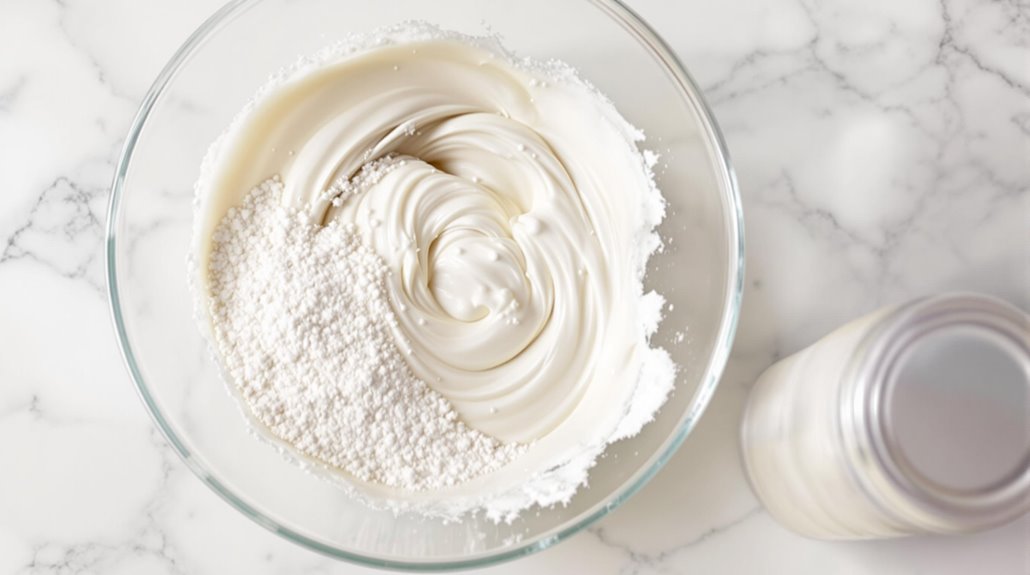
After gathering your powdered eggshells, you'll need to combine them with water and plaster of Paris to create your chalk mixture. Pour one cup of eggshell powder into a mixing bowl, then add 3/4 cup of hot water and one cup of plaster of Paris. Stir the ingredients thoroughly until you achieve a smooth, paste-like consistency.
Make sure there aren't any lumps in your mixture, as these will affect the quality of your finished chalk. If the mixture seems too thick, add small amounts of water until it reaches the right consistency. If it's too thin, sprinkle in additional plaster of Paris. The mixture should be similar to pancake batter - fluid enough to pour into molds but thick enough to hold its shape when dried.
Molding and Shaping Techniques
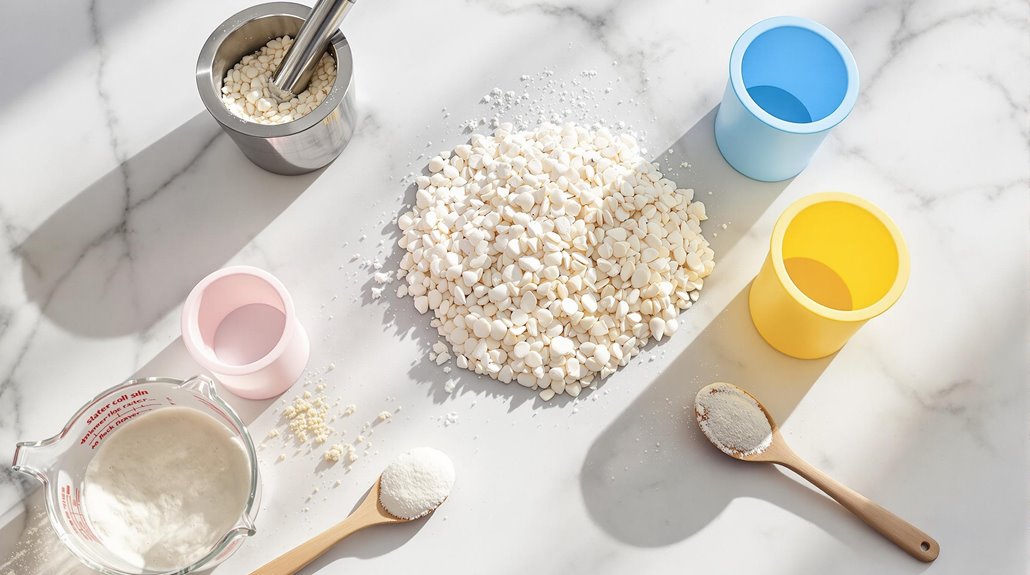
While your chalk mixture is still workable, you'll need to begin the molding process. You can shape your chalk using silicone molds or by rolling it into sticks with your hands. Press the mixture firmly into your chosen molds to create smooth, uniform shapes.
If you're hand-rolling, lay a paper towel on your work surface to help absorb any excess moisture. Remember to minimize adding water during the shaping process, as this can cause your chalk to crumble once it dries. Whether you're creating traditional stick shapes or experimenting with fun geometric forms, guarantee you pack the mixture tightly.
Let your shaped chalk dry completely for 2-3 days before attempting to remove it from the molds. This patience will result in sturdy, usable chalk pieces.
Drying and Storage Tips
Properly drying and storing your homemade chalk guarantees it'll maintain its shape and usability. After pouring your eggshell mixture into molds, let them dry completely for 2-3 days in a well-ventilated area. You'll know they're ready when the chalk feels solid and cool to the touch.
Once your chalk pieces are fully dry, transfer them to an airtight container to prevent moisture absorption and crumbling. If you've used silicone ice cube trays as molds, you can easily pop out the dried pieces without damaging their shape. Make sure to store your container in a cool, dry place away from direct sunlight. When you're ready to use your homemade chalk, take it outdoors and start creating colorful works on sidewalks and driveways.
Natural Coloring Options
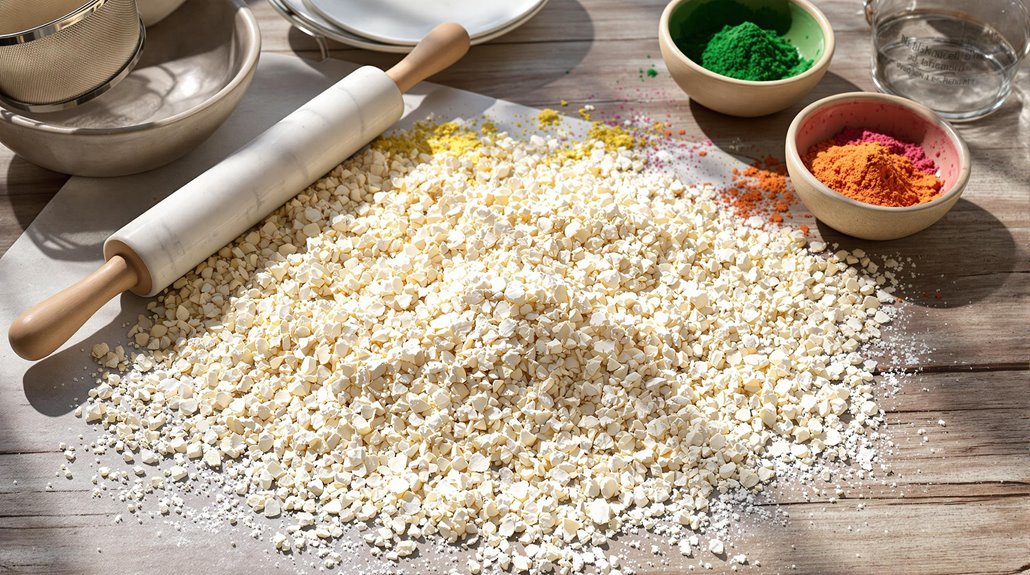
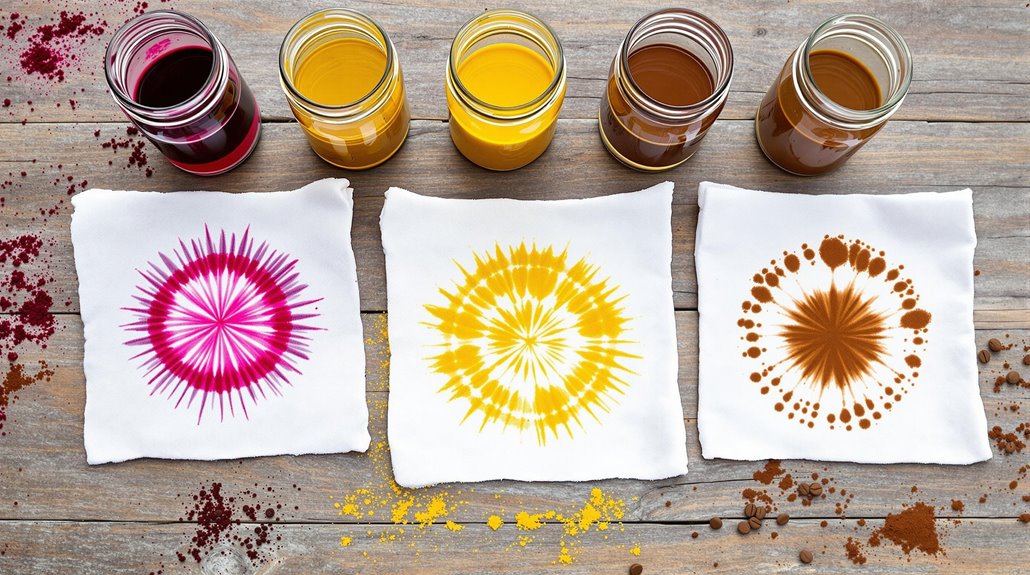
Creating colorful chalk doesn't require artificial dyes when nature provides so many lively options. When using eggshells as your chalk base, you'll find numerous natural ingredients to add vibrant, vivid, or brilliant hues to your creations. Mix in turmeric for yellow, spirulina for green, or beet powder for pink shades. For earthy tones, try incorporating common kitchen spices like cinnamon, paprika, or cocoa powder.
If you're looking to experiment with pastels, dried herbs and flowers offer subtle beauty. Matcha and chlorella create soft green tints, while butterfly pea flower produces gentle blue hues. For darker shades, ground charcoal or activated charcoal works perfectly for black or gray chalk. Keep in mind that natural colorants might need additional water during mixing, and the final colors may be less uniform than store-bought chalk - but that's part of their handmade charm.
Related posts